Five Arrested in Brazil for Fake Documents and Illegal Chargebacks
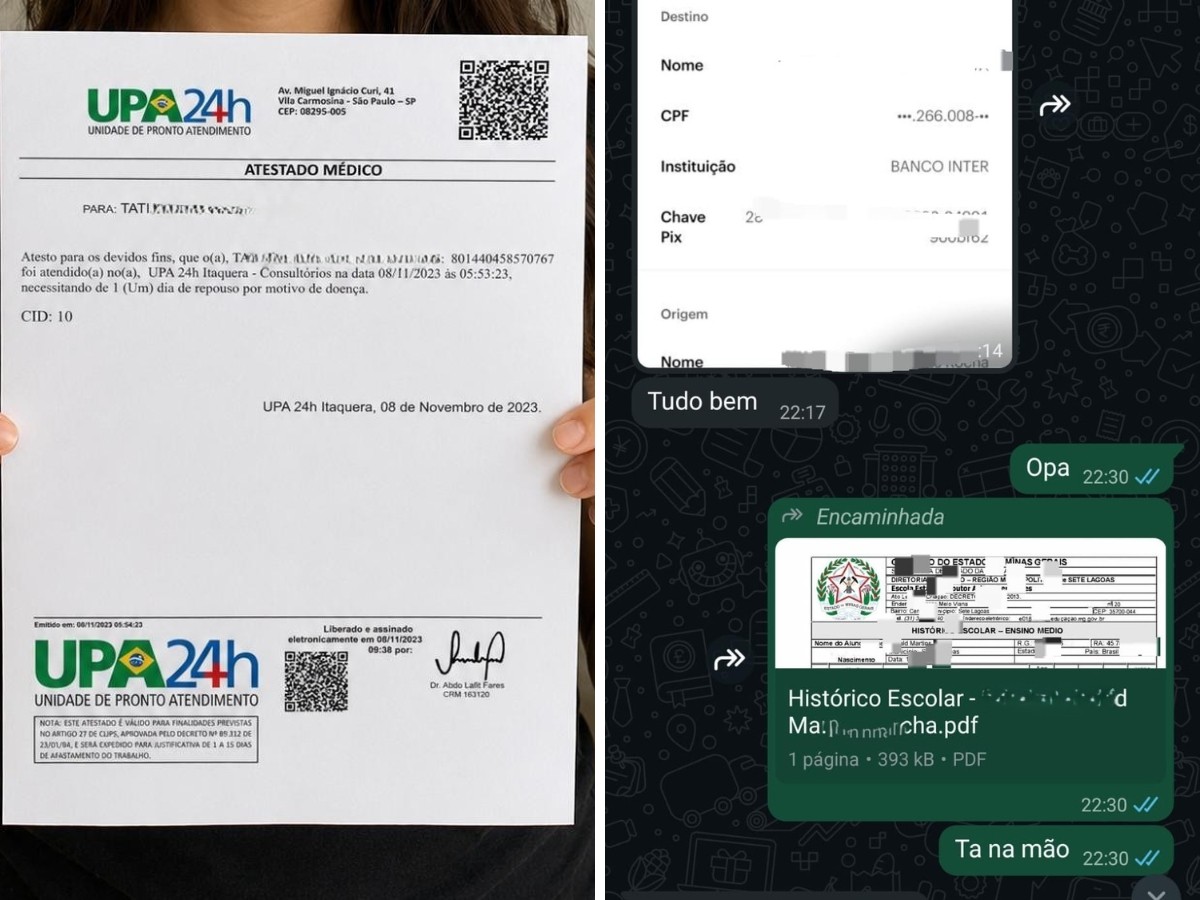
Authorities in São Paulo state, Brazil, have arrested five men in connection with a criminal group that allegedly offered fake documents and facilitated illegal chargebacks. The operation, named "Chargeback," was conducted by the General Investigations Department (DIG) of Americana and spanned across the cities of Americana, Cosmópolis, and Artur Nogueira. One suspect was apprehended in Artur Nogueira, while the other four were detained in Cosmópolis. The group is accused of operating an organized scheme where they provided counterfeit documents, including medical certificates, diplomas, and other academic credentials, alongside fraudulent chargeback services for purchases made with bank cards. To obscure their illicit financial activities, the suspects allegedly used third-party bank accounts and Pix keys, dividing transaction amounts to hinder tracking. The investigation was reportedly initiated after irregularities in bank transactions and fraudulent chargeback usage were detected, with a particular focus on transactions involving Nubank. During the operation, police seized mobile phones, documents, digital files, notes containing names and CPF numbers, and cash. The arrested individuals were taken to the Sumaré Public Jail and will undergo a custody hearing. The DIG indicated that the fraud's reach might be national.
This operation targets a sophisticated criminal enterprise exploiting digital financial systems and the demand for fraudulent documentation. The use of third-party accounts and fragmented Pix transactions highlights a common tactic to evade detection by financial institutions and law enforcement, underscoring the ongoing challenges in tracing illicit digital fund flows. The involvement of fake documents alongside chargeback fraud suggests a multi-faceted criminal operation, potentially catering to diverse illicit needs. Future regulatory and technological advancements will need to address the anonymization techniques employed by such groups to enhance the integrity of financial transactions and the authenticity of digital credentials.
AI-generated to prompt reflection — not editorial opinion, not advice, not a statement of fact. How this works.