Five Arrested in Brazil for Online Shopping Fraud and Document Forgery Scheme
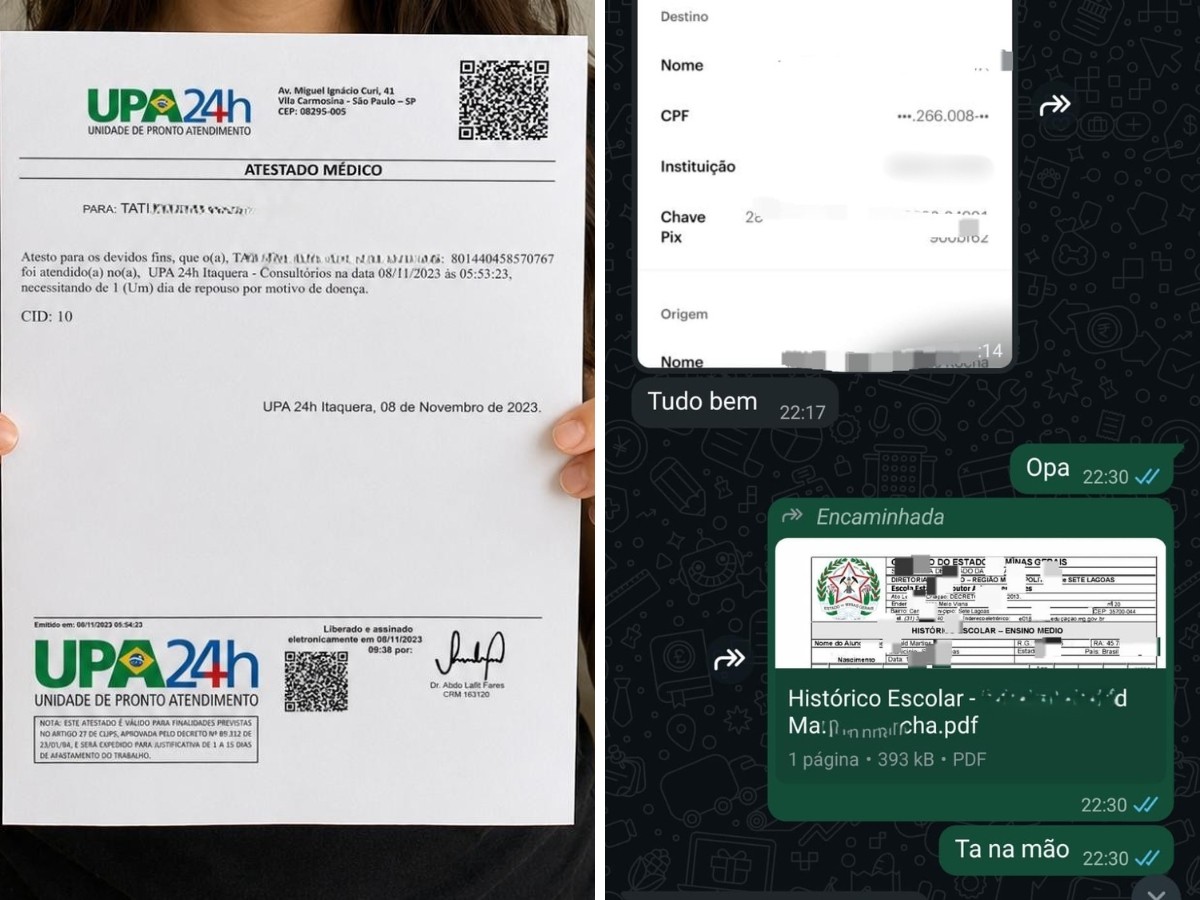
Police in Americana, São Paulo, Brazil, have arrested five men in connection with a sophisticated fraud scheme dubbed "Operação Chargeback." The group allegedly engaged in online shopping, receiving goods before falsely claiming non-recognition of the transactions to obtain refunds. This allowed them to keep both the purchased items and the money. The arrested individuals, aged 19 to 29, are also implicated in selling forged documents, including certificates, academic records, and medical attestations. According to police, the group recruited individuals knowledgeable about bank dispute procedures to act as fronts, increasing their chances of successful chargebacks. These individuals would use cards and accounts, particularly from Nubank, for purchases. After delivery, a dispute would be filed with the financial institution, claiming the transaction was unauthorized. The recovered funds were then shared among the criminal group. Nubank stated its commitment to combating fraud and confirmed cooperation with the police. The investigation, initiated due to irregularities in bank transactions and refund requests, was aided by the compliance departments of financial institutions. Authorities seized mobile phones, documents, digital files, financial records, and cash. The five suspects face charges including criminal association, fraud, document forgery, and identity fraud. Police are investigating potential involvement with other financial institutions and the existence of additional accomplices.
This operation highlights a common vulnerability in e-commerce and financial systems where the delay between goods delivery and final transaction settlement can be exploited. The scheme's success relied on exploiting the chargeback process, which is designed to protect consumers but can be manipulated by sophisticated actors. The involvement of individuals with specific knowledge of banking dispute procedures and the use of third-party accounts ('laranjas') demonstrate a layered approach to obfuscate the perpetrators. Financial institutions' compliance departments play a crucial role in detecting such patterns, but the ongoing nature of these investigations suggests a continuous cat-and-mouse game between fraudsters and security systems. Future efforts may focus on enhanced identity verification at multiple transaction stages and improved data sharing between financial entities to identify anomalous chargeback patterns more rapidly, particularly in the evolving digital economy.
AI-generated to prompt reflection — not editorial opinion, not advice, not a statement of fact. How this works.