Five Convicted in Million-Dollar Scam Over 14-Year-Old Abandoned Condo Projects in Tatuí
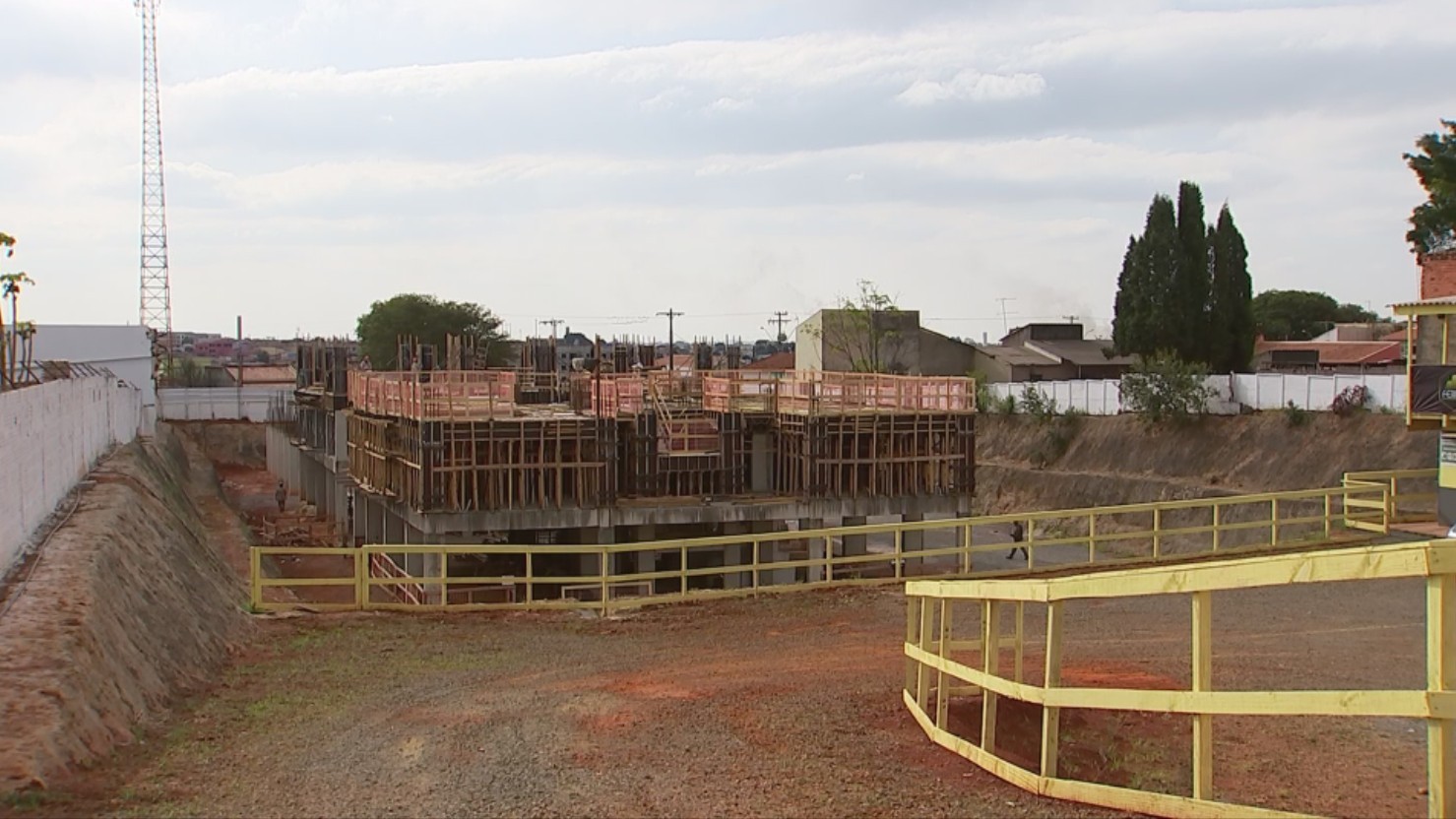
A São Paulo court has convicted five men for a multi-million dollar fraud scheme involving two condominium construction projects in Tatuí that have been stalled for 14 years. The initial developer, based in Sorocaba, abandoned the sites in 2012, leaving buyers with unfinished properties. One project was planned for 230 two-bedroom apartment units, while the other was slated for 168 three-bedroom units across two 6,000-square-meter plots. Many buyers attempted to continue construction by forming an association, leveraging a law that transfers property ownership to investors in such cases. However, representatives of a second construction company then defrauded these buyers. The court found that these individuals induced further deposits by promising to complete the projects, charging exorbitant prices and knowing the ventures were unfeasible under the proposed terms. The total financial loss to the victims amounts to R$ 5.9 million. The five defendants received sentences of two years and eight months, which were commuted to a payment equivalent to five minimum wages, as they were first-time offenders. They will remain free pending appeal. The victims' lawyer plans to appeal for a harsher sentence and clarification on the compensation for damages.
This case highlights systemic vulnerabilities in real estate development oversight and consumer protection. The prolonged abandonment of projects for 14 years, coupled with successive fraudulent schemes, suggests potential gaps in regulatory enforcement and due diligence processes for construction companies. The legal recourse for investors, while eventually leading to a conviction, underscores the significant financial and emotional toll on victims who face lengthy battles for restitution. Future frameworks could explore enhanced escrow requirements, stricter vetting of developers, and more robust mechanisms for project continuity to mitigate such extensive losses and prevent repeated exploitation of buyers' trust.
AI-generated to prompt reflection — not editorial opinion, not advice, not a statement of fact. How this works.