Five Dams in Piauí Show Structural Concerns, One Poses High Risk
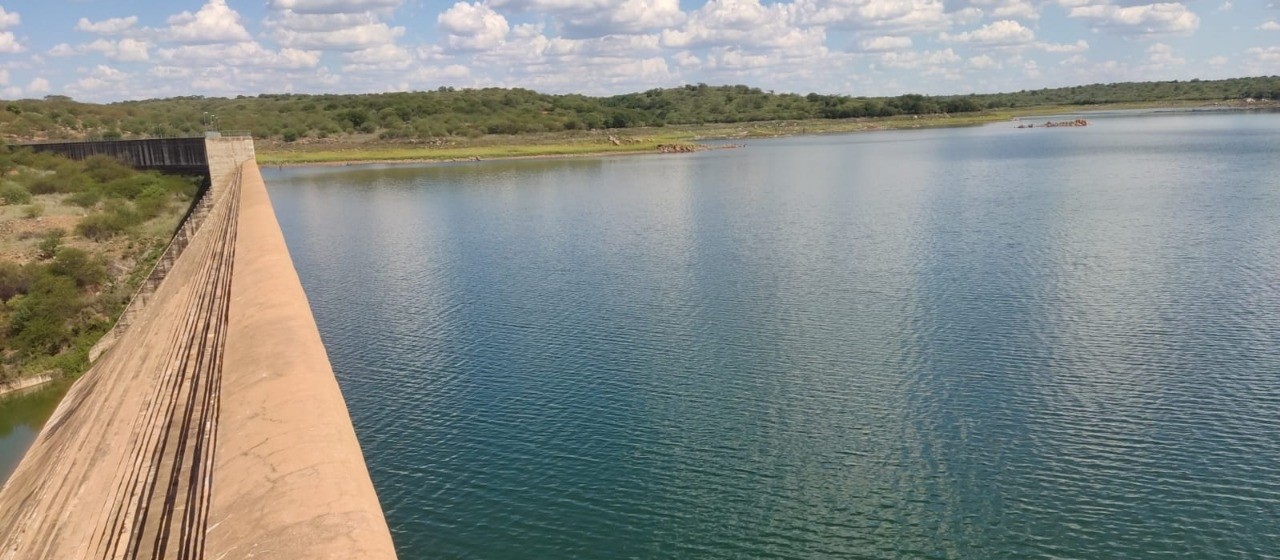
A report from Brazil's National Water and Basic Sanitation Agency (ANA) has identified five dams in the state of Piauí exhibiting signs of structural compromise. Among these, one dam has been classified with a high Risk Category (CRI), indicating serious anomalies or conservation issues that could jeopardize its integrity. The report also noted that these five dams have a medium or high Associated Potential Damage (DPA), which considers the potential consequences of a dam failure, including loss of life and economic or environmental harm. The dams identified with DPA concerns are Tinguis in Brasileira, Nonato in Dom Inocêncio, Félix Pereira de Carvalho in Picos, Açude Sede São Julião in São Julião, and Tanque/Aldeia in São Raimundo Nonato. The dam classified with a high CRI is Barragem dos Gatos in Jatobá do Piauí. The State Secretariat for Environment and Water Resources (Semarh) clarified that the ANA report merely consolidated data previously submitted by the state. Semarh stated that operating and regularizing dams is the responsibility of the dam owners, and that the identified issues were already flagged by Semarh. The Institute for the Development of Piauí (Idepi) acknowledged the classification for the Tinguis dam, noting it is still under construction. Despite these alerts, no dam in Piauí presented both high DPA and high CRI simultaneously, thus not meeting ANA's criteria for maximum priority.
This report highlights a critical infrastructure oversight issue within Piauí, where multiple dams present structural risks. The categorization by ANA, distinguishing between Associated Potential Damage (DPA) and Risk Category (CRI), provides a nuanced view of potential threats. While the state secretariat emphasizes that responsibility lies with dam owners, the existence of these identified risks underscores a potential gap in regulatory enforcement or capacity building for these entities. The classification system aims to prioritize interventions, but the underlying challenge remains ensuring that identified risks are systematically addressed to prevent future incidents. Looking ahead, robust, proactive monitoring and clear accountability frameworks will be essential to safeguard public safety and environmental integrity as water infrastructure ages and climate impacts potentially exacerbate existing vulnerabilities.
AI-generated to prompt reflection — not editorial opinion, not advice, not a statement of fact. How this works.