Five Dead in Head-On Collision on BR-116 Highway in Brazil's Jequitinhonha Valley
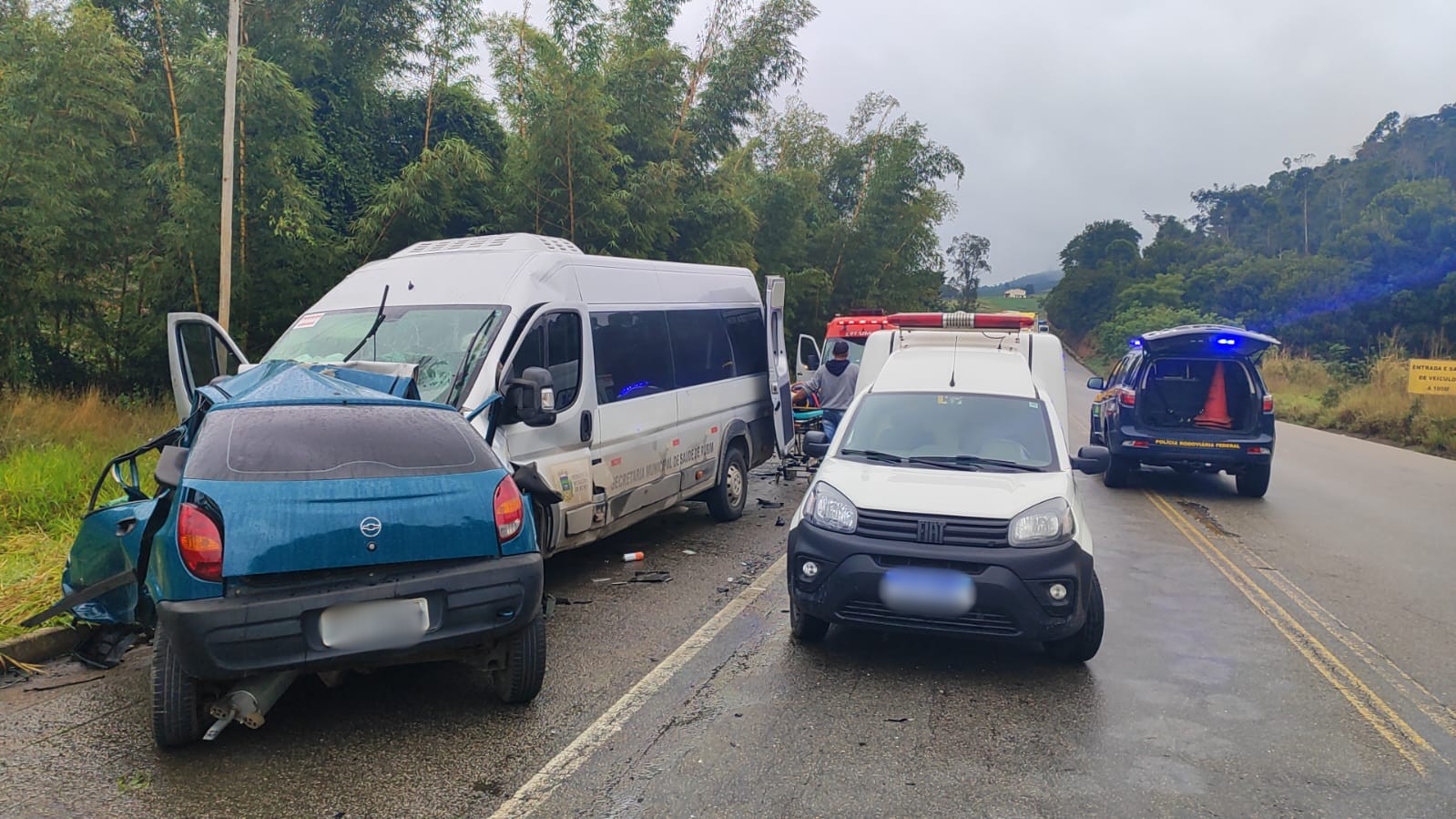
A severe head-on collision on the BR-116 highway in Caraí, within Brazil's Jequitinhonha Valley, resulted in at least five fatalities on Monday, May 27th. The accident involved a passenger car and a van belonging to the Rubim Prefecture. The crash occurred near kilometer marker 204.4. Four of the deceased were occupants of the passenger car, which was reportedly carrying residents from Padre Paraíso. The fifth victim was traveling in the municipal van. According to preliminary reports from the Federal Highway Police (PRF), the two vehicles collided head-on while both were on the highway's shoulder. The exact circumstances leading to the collision are still under investigation. PRF teams responded to the scene, managing traffic which is currently reduced to one lane due to ongoing forensic work and vehicle removal. The Civil Police's forensic team has been called, and the bodies will be transported to the Medical-Legal Institute (IML) in Teófilo Otoni for autopsy. As of the latest update, the victims have not been officially identified, and there is no confirmed information regarding the condition of any other potential injured individuals. The incident remains active.
This tragic accident underscores the persistent safety challenges on Brazil's extensive highway network, particularly in regions like the Jequitinhonha Valley. The collision, which occurred on a major artery like the BR-116, highlights the critical need for ongoing infrastructure improvements and stringent enforcement of traffic regulations. The investigation into the cause, especially given the vehicles were reportedly on the shoulder, will be crucial in determining contributing factors, whether human error, mechanical failure, or environmental conditions. Moving forward, a focus on enhanced road safety measures, driver education, and potentially advanced traffic monitoring systems could mitigate the frequency and severity of such devastating incidents, contributing to a safer transportation ecosystem for all users in the long term.
AI-generated to prompt reflection — not editorial opinion, not advice, not a statement of fact. How this works.