Five Detained Amid Land Dispute at Federal Institute Construction Site in Rorainópolis
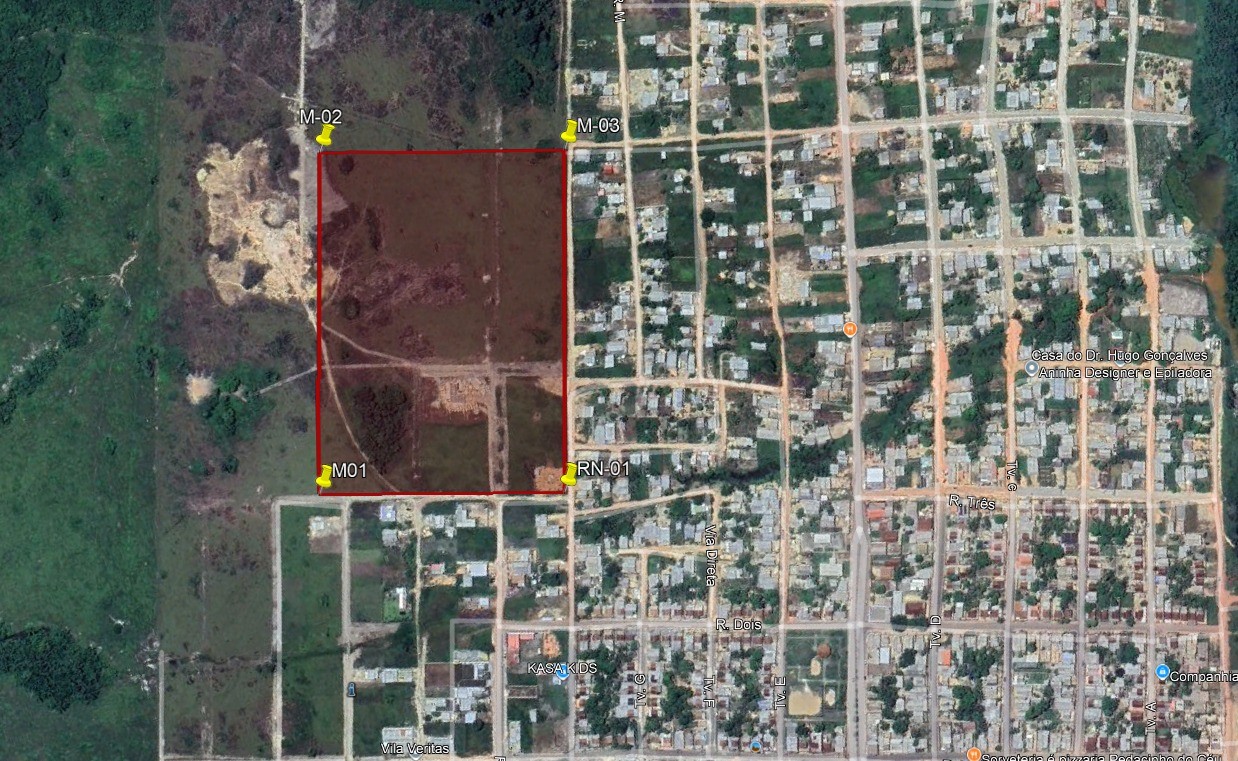
Five men were arrested on Tuesday, May 14th, during a land dispute that erupted at the construction inauguration ceremony for a new Federal Institute of Roraima (IFRR) campus in Rorainópolis, located in the southern region of Roraima state, Brazil. The 76.44-hectare site is the subject of a complex legal battle involving the IFRR, the municipal government, federal agencies, and current occupants. Police reported the detainees were attempting to fence off a portion of the institute's land, situated approximately 700 meters from the BR-174 highway.
Federal court orders in October 2025 mandated the area's evacuation, a decision that was temporarily suspended when a resident presented ownership documents. However, in February 2026, the judiciary reinstated the eviction order. The Rorainópolis court has tasked the local prefecture with overseeing the evacuation and removal of any unauthorized structures, as the land is designated for the IFRR campus. The legal dispute also involved Bagnara Imóveis Eireli and businessman Edinei Bagnara regarding irregular occupation of public land and outstanding debts.
In 2023, the National Institute for Colonization and Agrarian Reform (Incra) officially transferred the land to the IFRR. However, construction was halted when residents blocked access. The IFRR project has R$2 million allocated from the Growth Acceleration Program (PAC), but delays have prompted concerns from the Ministry of Education about potential reallocation of funds. The IFRR emphasized that the ongoing impasse poses significant social and educational risks for Rorainópolis. Incra acknowledged an earlier erroneous registration of some occupants, which has since been canceled, confirming the land's public interest designation.
The land dispute surrounding the IFRR campus construction highlights systemic challenges in public land allocation and management, particularly when competing interests, including established occupants and institutional development, converge. The judicial back-and-forth, including temporary suspensions and reconsiderations, suggests potential ambiguities in land registry or historical claims that complicate the resolution process. Moving forward, robust inter-agency coordination between Incra, the prefecture, and the IFRR will be crucial to ensure transparent and efficient land acquisition and development processes, mitigating future conflicts and safeguarding public investment. This situation underscores the need for clear legal frameworks and administrative processes that can preemptively address potential land tenure conflicts, especially in areas designated for public infrastructure projects, to avoid delays and the risk of losing vital development funds.
AI-generated to prompt reflection — not editorial opinion, not advice, not a statement of fact. How this works.