Five Injured After Ride-Share Car Overturns in Ribeirão Preto Intersection
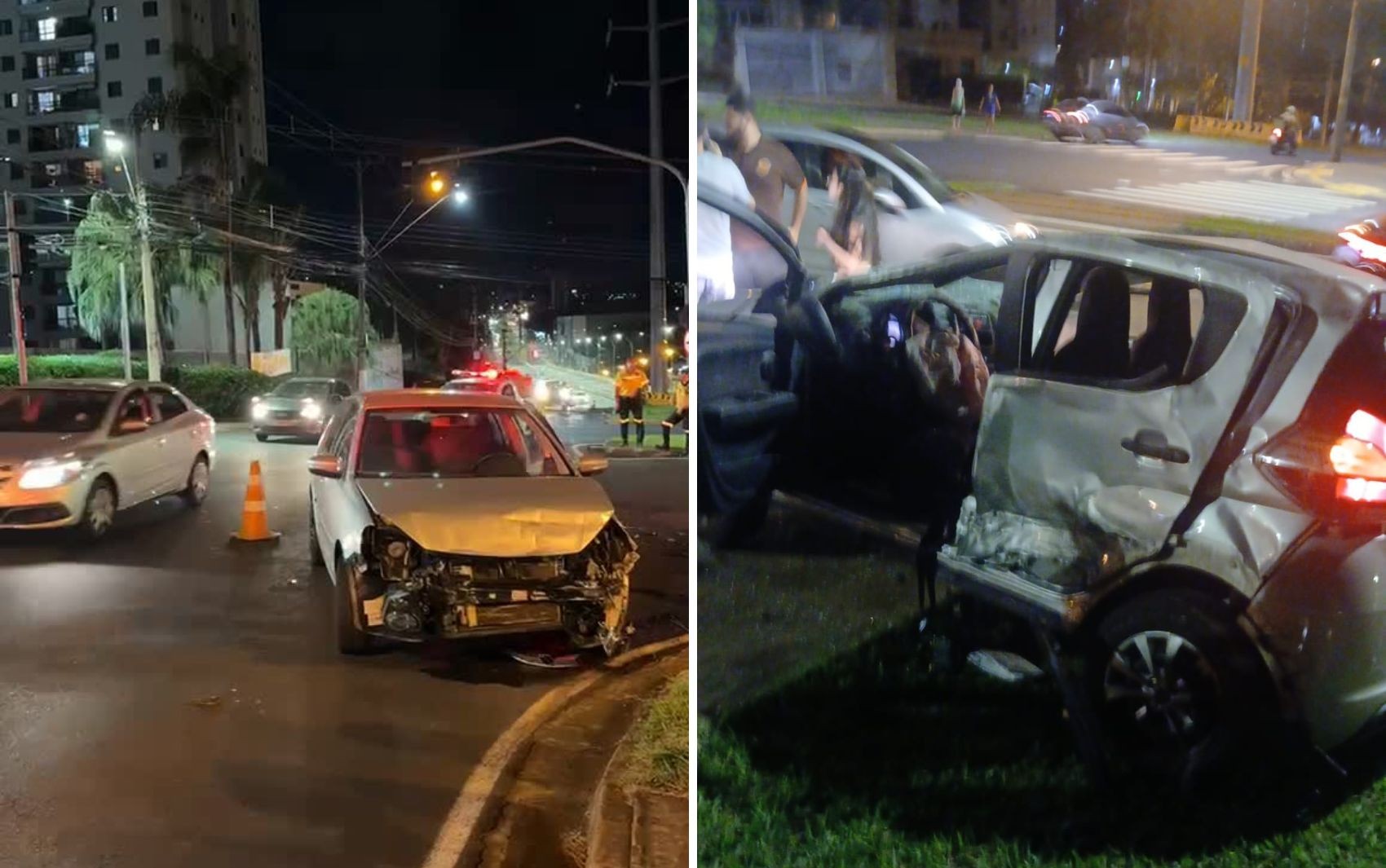
Five people sustained injuries when a ride-sharing vehicle overturned after being struck by another car on Sunday night, November 5th, in Ribeirão Preto, São Paulo. The collision occurred at the busy intersection of Nove de Julho, Portugal, and Antônio Diederichsen avenues. Preliminary reports indicate that the driver of one of the vehicles made an illegal left turn, colliding with the ride-share car, which was carrying three passengers. The impact caused the ride-share vehicle to flip and come to rest in a median strip. Security camera footage captured the moment of the crash. The 28-year-old driver of the ride-share car suffered minor injuries. Three passengers were transported to healthcare facilities by the Mobile Emergency Care Service (Samu). Details regarding the fifth injured individual and the official health status of all victims were not immediately available, though initial reports suggested injuries were not severe. The occupants of the other vehicle, a couple, remained at the scene. The Military Police stated that a breathalyzer test would be recorded in the incident report later. The crash resulted in an oil spill on the roadway, prompting the Fire Department to respond to contain the material and prevent further accidents. Both vehicles were removed from the scene Sunday night. The Civil Police will investigate the causes of the accident.
This incident highlights the persistent risks associated with urban traffic intersections, particularly where complex traffic flows and prohibited maneuvers intersect. The involvement of a ride-sharing vehicle underscores the evolving landscape of personal transportation and the associated safety considerations for both drivers and passengers. The investigation by Civil Police will aim to clarify the sequence of events and establish accountability, likely focusing on traffic law adherence and driver behavior. Looking ahead, such incidents may prompt further review of intersection design, traffic signal timing, and enforcement strategies in high-traffic urban areas to mitigate the potential for serious collisions in an increasingly automated driving future.
AI-generated to prompt reflection — not editorial opinion, not advice, not a statement of fact. How this works.