Five Key AI Infrastructure Platforms Poised to Transform Robotics by 2026
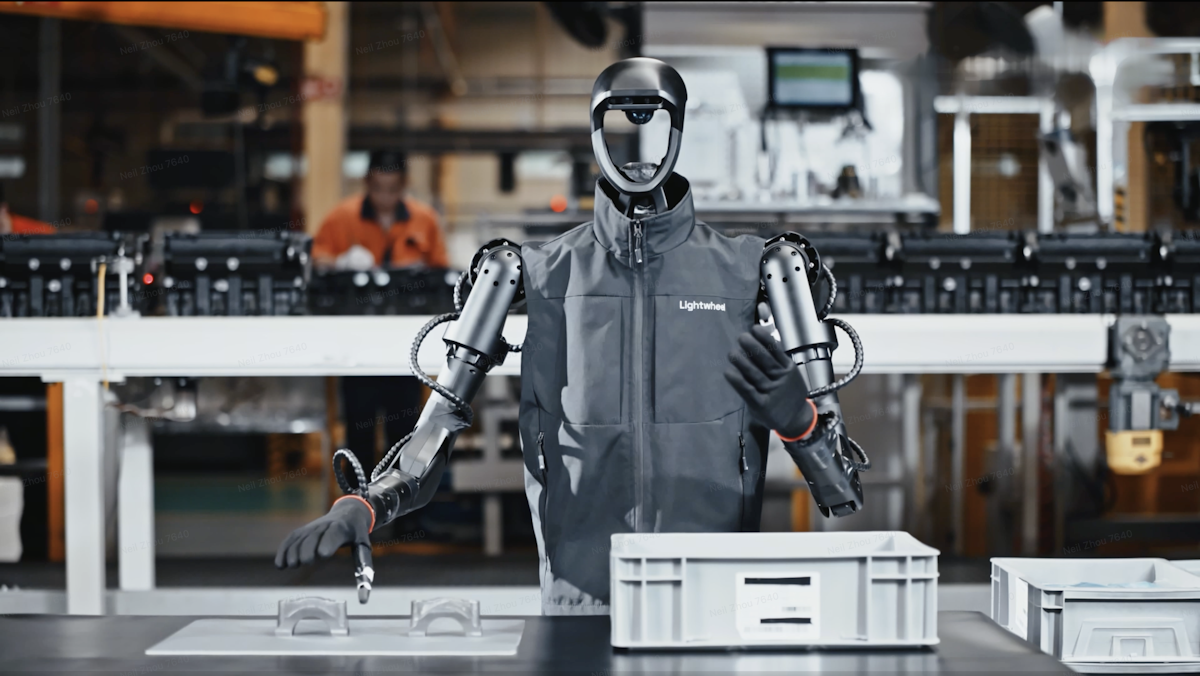
Five critical physical AI infrastructure platforms are set to significantly influence the field of robotics by the year 2026. These platforms encompass accelerated computing, simulation, data operations, open-source tooling, and validation engineering, along with continuous learning capabilities. Historically, the primary focus of AI infrastructure has been compute power, driven by the increasing size of AI models and the substantial GPU resources required for their training. This concentration on compute has shaped the industry's development and investment strategies for a considerable period. The emergence of these five distinct control points suggests a broadening and diversification of the essential elements required for advanced AI and robotics.
These platforms represent a shift towards a more comprehensive and integrated approach to building and deploying AI-powered robotic systems. Accelerated computing and simulation provide the foundational power and virtual environments for developing and testing complex algorithms. Data operations and open-source tooling facilitate the efficient management and accessibility of the vast datasets needed for AI training and the collaborative development of new solutions. Validation engineering and continuous learning ensure the reliability, safety, and ongoing improvement of robotic systems in real-world applications. Together, these components form the emerging physical AI stack, moving beyond a singular focus on raw computational power.
The evolution of AI infrastructure from a singular focus on compute to a multi-faceted stack, including simulation, data operations, and validation, reflects a maturing industry. As AI systems become more integrated into physical applications like robotics, the emphasis shifts to the practicalities of development, deployment, and ongoing performance. This diversification suggests a move towards more robust, reliable, and adaptable AI solutions. The next decade will likely see increased innovation in how these platforms interact, aiming to streamline the creation of sophisticated autonomous systems. Understanding these infrastructural shifts is crucial for anticipating the pace and direction of advancements in robotics and other AI-driven fields.
AI-generated to prompt reflection — not editorial opinion, not advice, not a statement of fact. How this works.