Five Key Warning Signs for Early Detection of Kidney Weakness
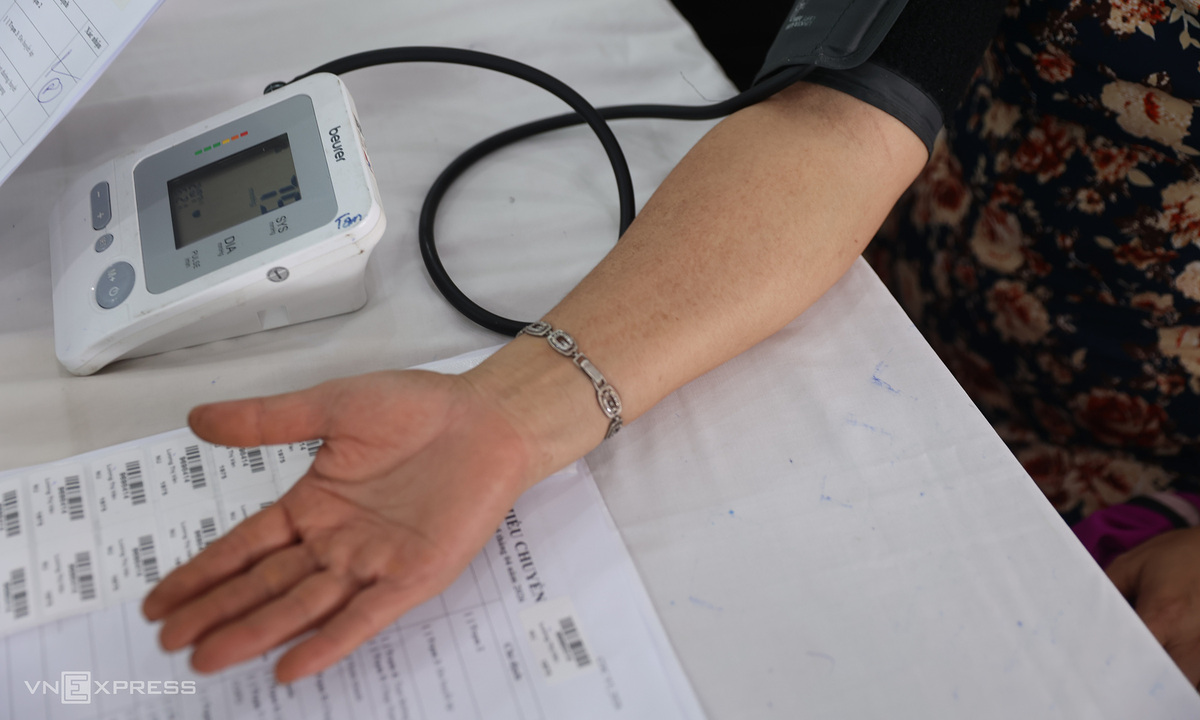
Early identification of kidney disease can be achieved by recognizing five critical warning signs. These indicators include excessive foam in urine, swelling in the limbs, elevated blood pressure, symptoms of anemia, and persistent fatigue. Paying attention to these symptoms can prompt individuals to seek medical attention sooner. Kidney disease, if left untreated, can lead to serious health complications. Therefore, understanding and monitoring these five signs is crucial for proactive health management. Prompt diagnosis allows for timely intervention and potentially slows the progression of kidney damage. These easily remembered signs serve as a valuable tool for the general public to assess their kidney health. Early detection significantly improves treatment outcomes and overall prognosis.
The "five golden rules" presented offer a simplified mnemonic for public health awareness regarding kidney health. This approach leverages accessible language to encourage early self-assessment, aiming to mitigate the impact of chronic kidney disease by promoting timely medical consultation. The strategy highlights a systemic challenge in healthcare access and patient education, where proactive engagement can significantly alter disease trajectories. By empowering individuals with straightforward indicators, the initiative seeks to shift the paradigm from reactive treatment to preventative care, thereby potentially reducing long-term healthcare burdens and improving population health outcomes in the coming decade.
AI-generated to prompt reflection — not editorial opinion, not advice, not a statement of fact. How this works.