Five Minors Detained in Brazil for Allegedly Inciting Teen's Suicide During Live Stream
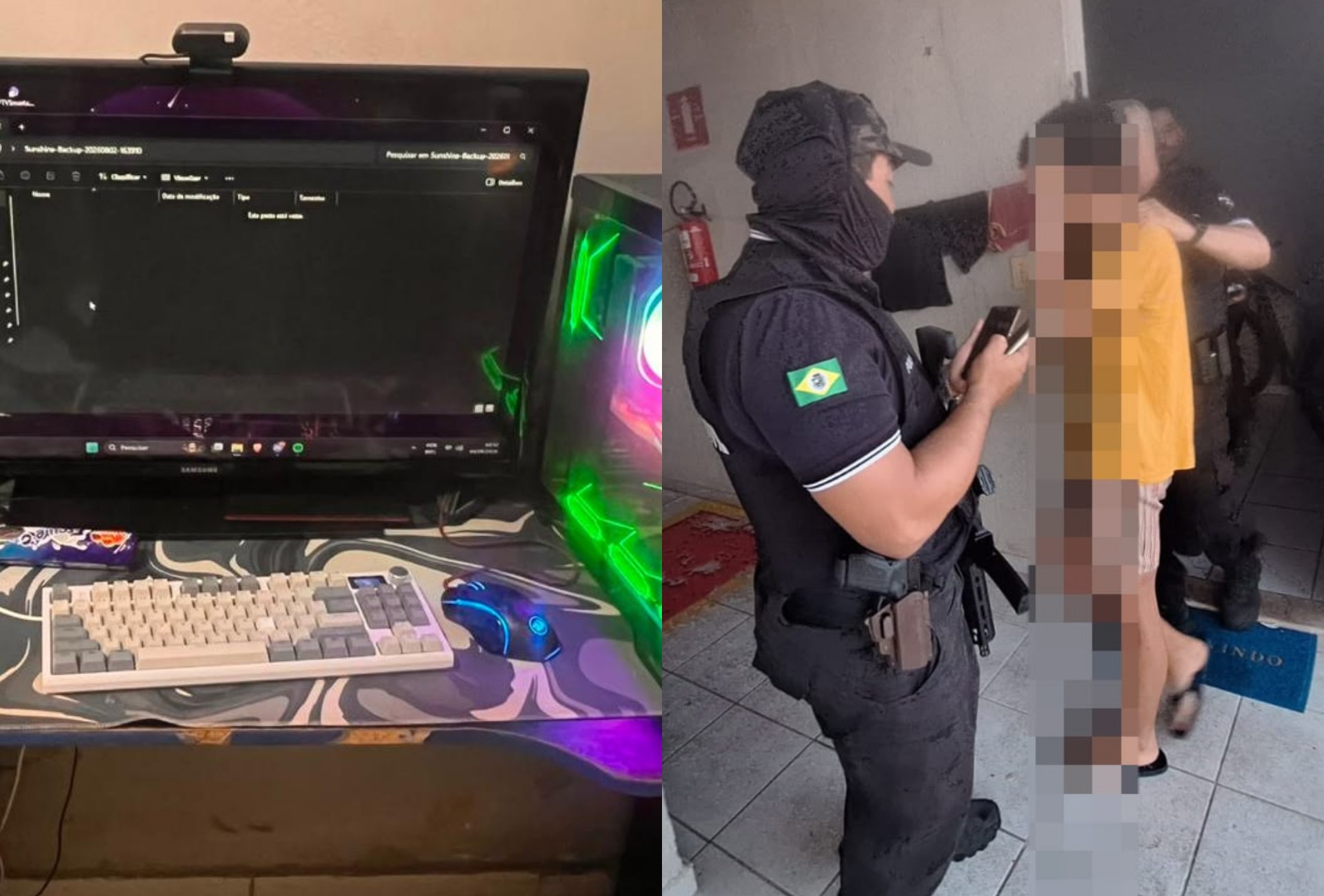
Civil Police in Mato Grosso do Sul, Brazil, have apprehended five minors in connection with an investigation into a criminal organization suspected of inciting a 13-year-old girl to commit suicide. The operation, which involved simultaneous actions across five states, targets crimes committed on digital platforms against children and adolescents. This investigation stems from the death of the Mato Grosso do Sul teenager, who allegedly was encouraged by group members during online interactions. The girl died by suicide in her home, with the event reportedly broadcast live on the social platform Discord.
During the operation, search and seizure warrants, along with provisional detention orders for the investigated minors, were executed. Authorities state the group used digital platforms to target vulnerable children and adolescents, promoting self-harm, violent challenges, and, in severe cases, suicide. Investigators also revealed that during the same live stream where the Mato Grosso do Sul teen was allegedly incited to suicide, another adolescent was similarly encouraged to self-harm and commit suicide but managed to abandon the broadcast before completing the act.
Beyond inciting suicide and self-harm, police are investigating other alleged crimes by the organization, including animal cruelty and the creation/sharing of violent content within criminal online communities. Seized electronic devices will undergo forensic analysis to identify more members, understand the organization's methods, and uncover potential additional victims. The investigation remains ongoing and under seal, with authorities anticipating further phases as evidence develops.
This incident highlights the critical challenges of online safety and the evolving nature of criminal activity in digital spaces. The alleged actions of the organization underscore the potential for online platforms to be exploited for harmful purposes, particularly targeting vulnerable youth. The investigation's focus on digital evidence and cross-state cooperation demonstrates a necessary adaptation of law enforcement to combat cybercrimes. Moving forward, the case prompts consideration of platform accountability, the effectiveness of digital literacy programs for minors, and the development of more robust mechanisms for identifying and intervening in online radicalization or incitement to harm. The long-term implications involve balancing online freedom with the imperative to protect individuals, especially minors, from digital exploitation and its devastating real-world consequences.
AI-generated to prompt reflection — not editorial opinion, not advice, not a statement of fact. How this works.
