Five Rewards for Patience in Islam
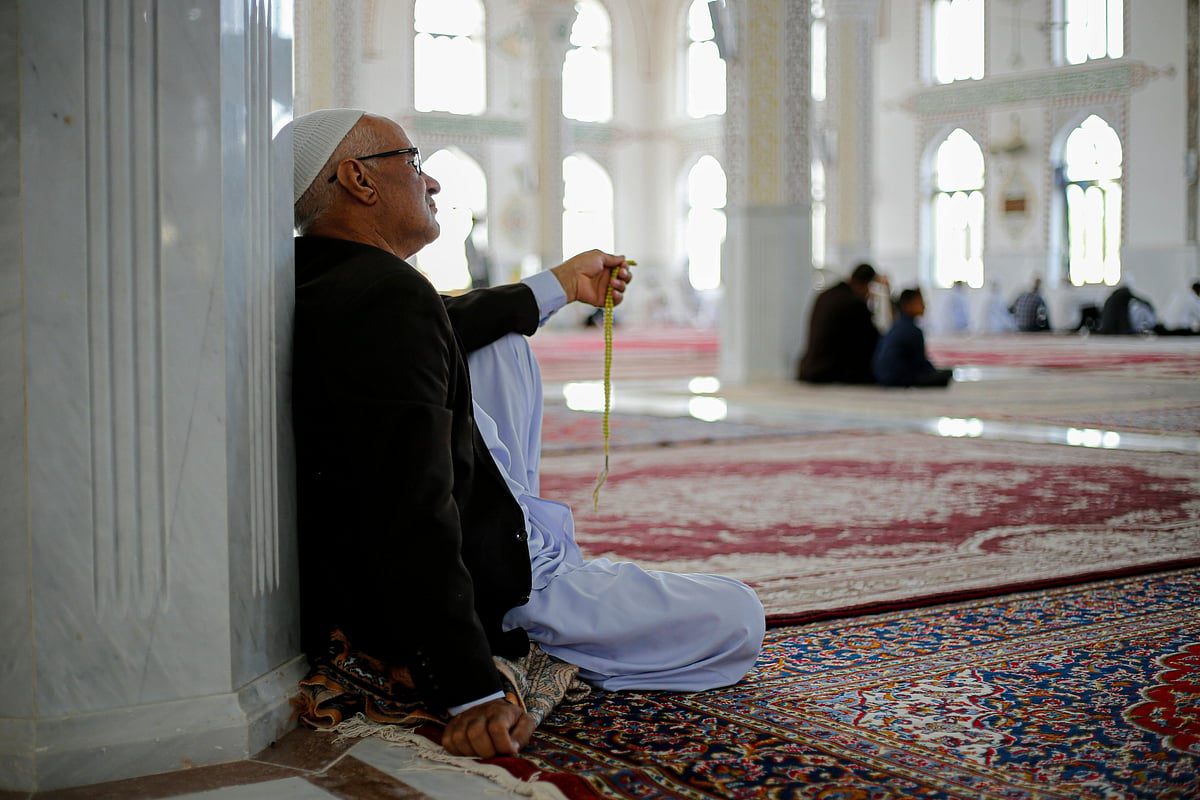
In Islam, patience, known as 'sabr,' is defined as steadfastness in obeying divine commands, refraining from sin, and maintaining contentment with Allah's decree through life's trials. This virtue is highly esteemed, and the Quran and Hadith frequently highlight its importance and the immense rewards associated with it. Patience is not merely passive endurance but an active submission to God's will, requiring inner strength and trust. It encompasses patience during times of hardship, patience in abstaining from forbidden actions, and patience in the face of divine tests. The concept emphasizes a deep spiritual connection and reliance on the Almighty. Islamic teachings suggest that those who exhibit patience will receive significant spiritual and worldly benefits. These rewards are often described as divine blessings and a higher spiritual status. The ultimate reward is often linked to achieving Allah's pleasure and entering Paradise. The practice of patience is considered a cornerstone of a believer's life, fostering resilience and spiritual growth.
The concept of divine rewards for patience in Islam highlights a theological framework that incentivizes steadfastness and acceptance of hardship. This perspective can foster psychological resilience by reframing challenges as opportunities for spiritual advancement and divine favor. From a societal standpoint, such teachings can contribute to social cohesion by encouraging individuals to endure difficult circumstances rather than resorting to disruptive actions. However, it is crucial to distinguish between spiritual fortitude and the potential for this framework to discourage proactive problem-solving or to mask systemic issues that cause suffering. The emphasis on divine decree may, in some interpretations, inadvertently reduce accountability for addressing societal inequities or personal agency in overcoming adversity, necessitating a balanced approach that values both inner strength and external action.
AI-generated to prompt reflection — not editorial opinion, not advice, not a statement of fact. How this works.