Five Unanswered Questions About the PISA Test Sample Fiasco in Catalonia
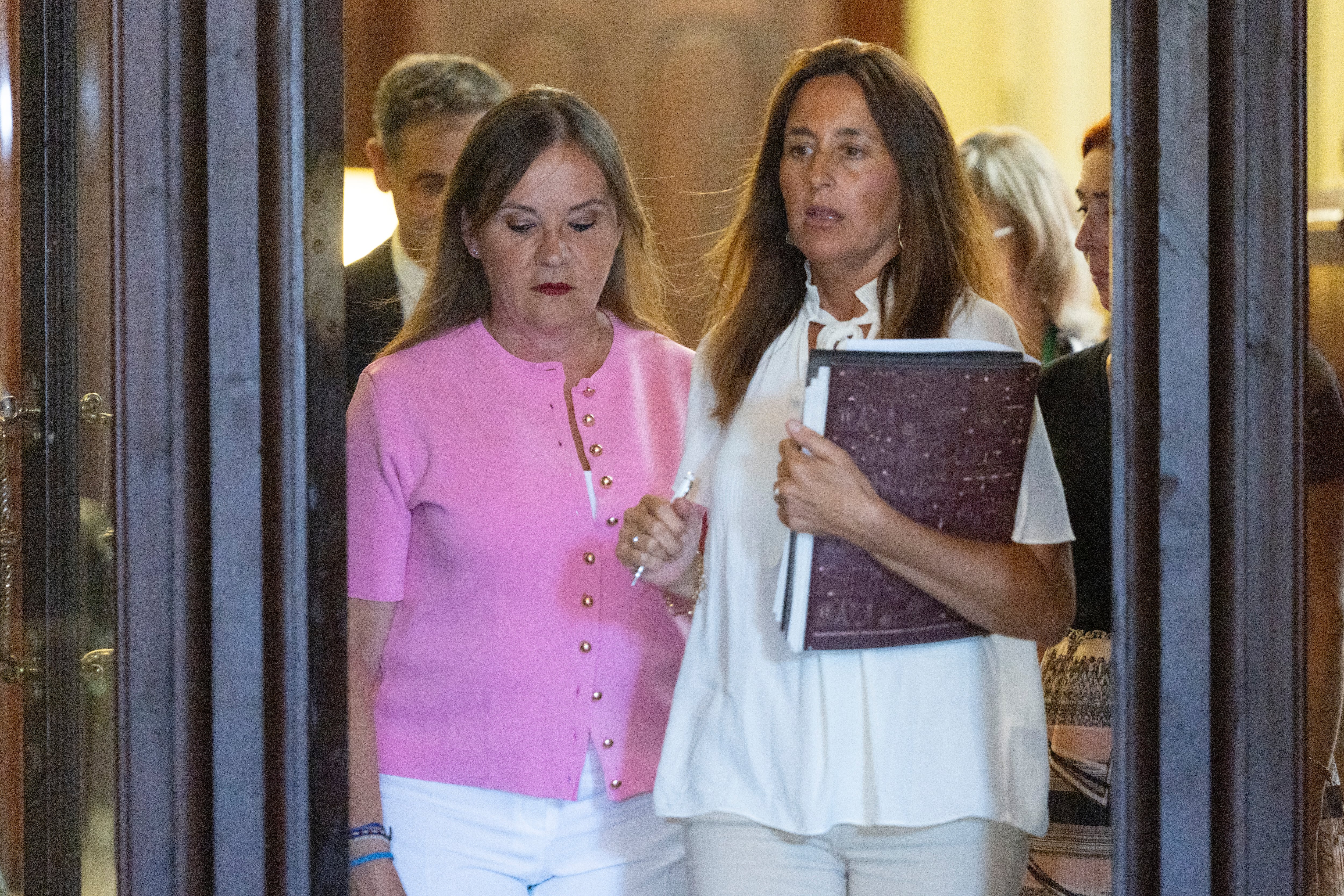
Catalonia's education minister, Anna Niubó, faced scrutiny following issues with the PISA test sample. The opposition in the Catalan Parliament has seized upon perceived gaps in her explanation, demanding further clarification. As a result, Salvador Illa, the head of the Catalan government, will be required to provide explanations after the summer recess. The situation has raised significant questions about the integrity and administration of the Programme for International Student Assessment (PISA) in the region. The opposition argues that Niubó's appearance before the parliamentary commission did not adequately address the concerns raised. Specific details regarding the nature of the "fiasco" with the PISA sample have not been fully elaborated upon in public statements. This lack of transparency has fueled political debate and calls for accountability. The incident highlights potential weaknesses in the educational assessment process within Catalonia. The upcoming explanations from Salvador Illa are expected to address these lingering uncertainties and potentially outline corrective measures. The political fallout suggests a need for greater diligence in managing high-stakes educational evaluations.
The controversy surrounding the PISA test sample in Catalonia underscores the critical importance of transparent and robust data collection processes in educational assessments. Gaps in ministerial explanations can erode public trust and create political leverage for opposition parties, potentially delaying or complicating policy implementation. Moving forward, establishing clearer protocols for sample selection, data integrity checks, and public communication regarding assessment methodologies will be crucial. This incident also highlights the intersection of educational policy and political accountability, suggesting that future assessments should be managed with a heightened awareness of both technical requirements and public perception to ensure confidence in the results and their subsequent use for educational improvement.
AI-generated to prompt reflection — not editorial opinion, not advice, not a statement of fact. How this works.