Five Years After Disaster: Stored Danish Waste Triggered Deadly Explosion
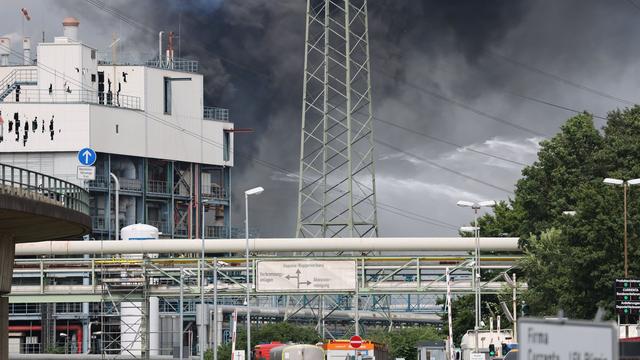
A deadly explosion occurred five years after a disaster, with stored waste originating from Denmark identified as the trigger. The incident highlights the long-term risks associated with the improper storage of hazardous materials. Investigations into the precise cause of the explosion are ongoing, focusing on the chemical reactions or physical conditions that led to the catastrophic event. The aftermath of the disaster is being closely monitored for any environmental or health impacts on the surrounding area. Authorities are reviewing protocols for the handling and storage of waste, particularly that imported from other countries. The incident serves as a stark reminder of the potential consequences of inadequate waste management practices. Further details regarding the specific type of waste and the exact circumstances of its storage are expected to be released as the investigation progresses. The long delay between the waste being stored and the explosion raises questions about the initial assessment of its safety and the effectiveness of oversight mechanisms over the past five years.
This event underscores the critical importance of robust international waste management protocols and long-term safety assessments. The five-year delay between storage and explosion suggests potential systemic failures in risk evaluation and ongoing monitoring of hazardous materials. Future policy considerations should focus on enhanced due diligence for imported waste, independent third-party verification of storage conditions, and establishing clear liability frameworks for incidents arising from improper disposal. Examining the incentive structures that may have led to suboptimal storage practices, potentially driven by cost-saving measures, is crucial for preventing similar future tragedies and ensuring environmental and public safety.
AI-generated to prompt reflection — not editorial opinion, not advice, not a statement of fact. How this works.