Five Years After the Ahr Valley Flood: The Role of Climate Change
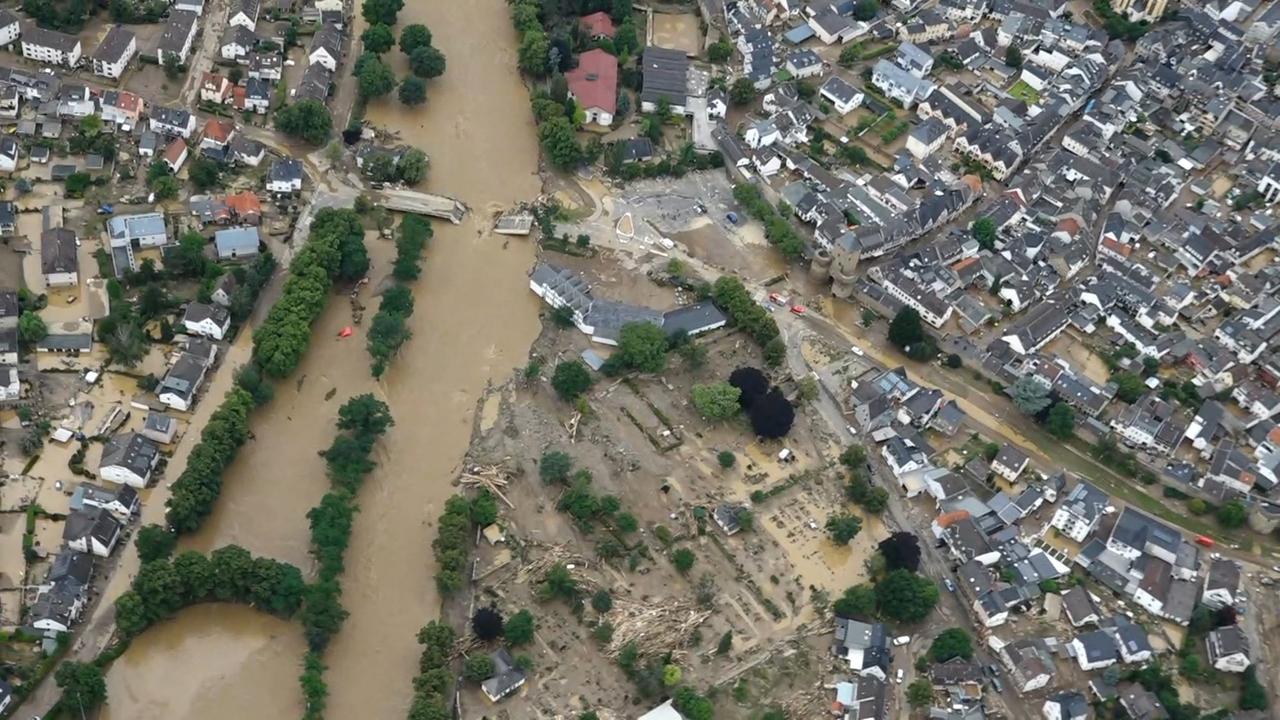
In mid-July 2021, devastating floods in Germany claimed the lives of 185 people, with a significant number of fatalities occurring in the Ahr Valley. This event raises critical questions about the causes of such extreme weather phenomena. The disaster highlighted the vulnerability of communities to severe weather events and prompted discussions about preparedness and response strategies. The question of how such an extreme weather event could occur remains a central point of inquiry. Investigations into the event are ongoing, seeking to understand the complex interplay of factors that led to the catastrophe. The long-term consequences for the affected region and its inhabitants are profound, encompassing both physical and psychological impacts. The anniversary serves as a somber reminder of the human cost of natural disasters and the urgent need for effective climate adaptation measures. The role of climate change in exacerbating such events is a key focus of ongoing scientific and public debate. Understanding these dynamics is crucial for mitigating future risks and building resilience in vulnerable areas. The event continues to shape policy discussions regarding climate action and disaster management.
The 2021 Ahr Valley flood serves as a stark case study in the escalating impacts of extreme weather events, with scientific consensus increasingly linking such occurrences to anthropogenic climate change. The event underscores the critical need for robust infrastructure adaptation and updated disaster preparedness protocols that account for the heightened frequency and intensity of meteorological extremes. Future planning must integrate climate projections to ensure resilience against foreseeable, yet potentially more severe, weather patterns. Evaluating the effectiveness of governmental and societal responses, from early warning systems to long-term recovery efforts, is essential for identifying systemic weaknesses and optimizing future interventions. This tragedy prompts a broader societal reflection on risk perception and the imperative for proactive climate mitigation and adaptation strategies.
AI-generated to prompt reflection — not editorial opinion, not advice, not a statement of fact. How this works.