Flávio Bolsonaro Accuses Justice Moraes of Election Interference
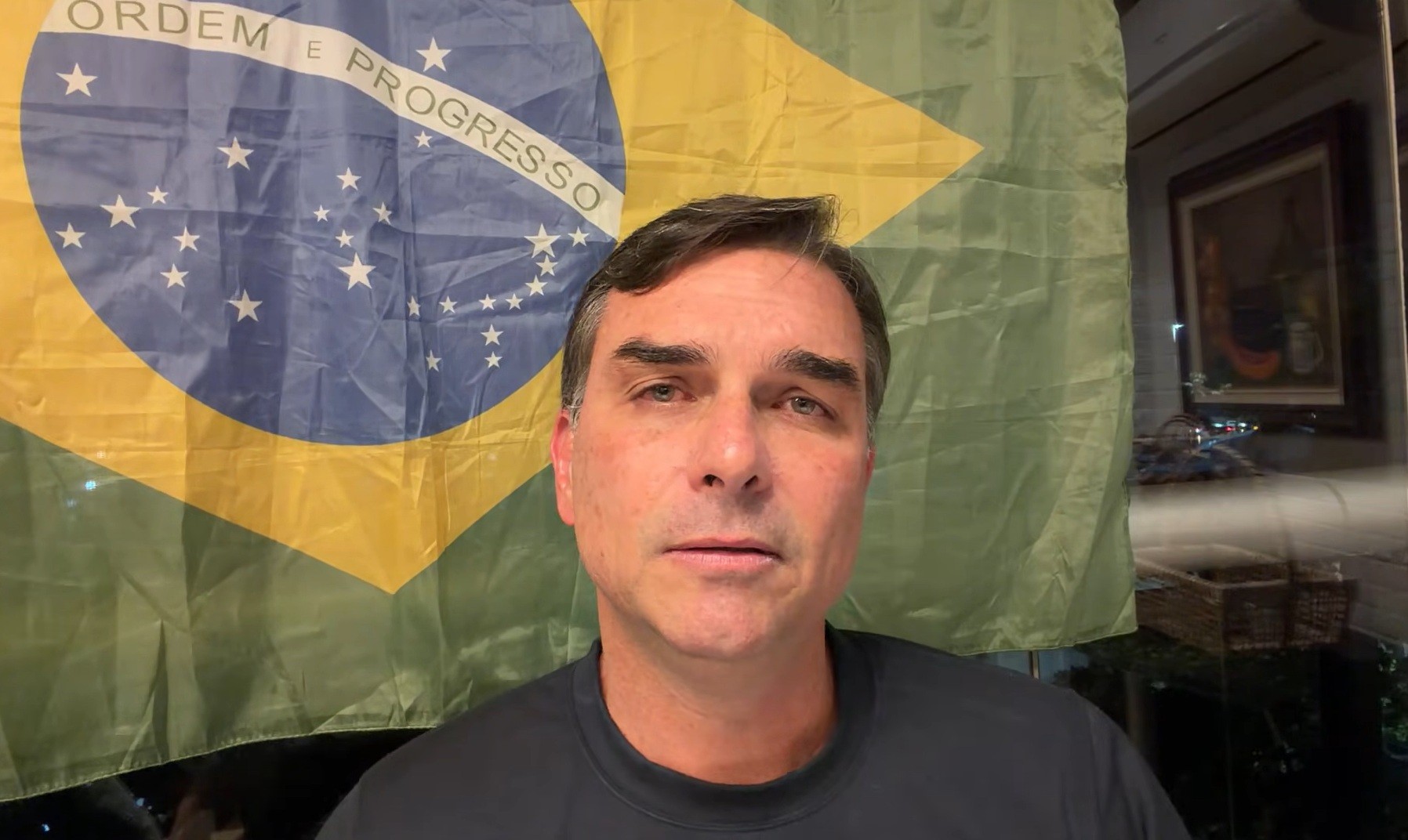
Flávio Bolsonaro, a presidential pre-candidate for the PL party, has accused Justice Alexandre de Moraes of the Supreme Federal Court (STF) of interfering in the upcoming elections. The accusation stems from Moraes' decision to prohibit Flávio from visiting his father, former President Jair Bolsonaro (PL), who is currently under precautionary measures. Flávio stated in a social media live stream on July 13, 2026, that a recently published letter from his father was the fifth public message released by Jair Bolsonaro since his legal restrictions began. He highlighted that the previous four messages were disseminated without any objection from Justice Moraes. Flávio detailed these prior messages: the first on December 25, 2025, confirming his candidacy; a second on February 6, 2026, from Michelle Bolsonaro on their wedding anniversary; a third on March 1, 2026, defending his mother against online criticism; and a fourth on March 2, 2026, concerning elections in Mato Grosso do Sul. The fifth letter, released over the weekend, reiterates Jair Bolsonaro's support for his son's presidential bid and urges allies to set aside differences before party conventions. Flávio questioned why Moraes is now challenging the dissemination of this letter when previous ones were accepted. He denied his father directed the letter's social media release and argued there's no difference between him posting it, Michelle Bolsonaro posting it, or it appearing on various media outlets. Flávio believes Moraes aims to prevent Jair Bolsonaro from publicly endorsing his candidacy, citing his father's continued influence. He also asserted that the visitation ban removes one of the ex-president's few communication channels with supporters and suggested Moraes is seeking a pretext for harsher measures against Bolsonaro. Justice Moraes' prohibition, issued on July 13, cited potential violation of the order barring Bolsonaro from using social media, directly or indirectly, including through third parties. Flávio drew parallels between his father's restrictions and the period when President Luiz Inácio Lula da Silva was imprisoned, arguing Lula had more political freedom to communicate. He also mentioned pending interview requests from Jair Bolsonaro at the STF, which he claims Moraes has not consulted the defense about. Flávio, who is also part of his father's legal defense, has contacted the OAB to defend his professional rights, emphasizing that a lawyer-client relationship, even between father and son, should not be severed.
This situation highlights the complex interplay between political campaigning, legal restrictions, and freedom of expression in Brazil. Flávio Bolsonaro's public statements frame Justice Moraes' actions as politically motivated interference aimed at suppressing his presidential candidacy by limiting his father's influential endorsements. The core of the dispute appears to be the interpretation and enforcement of judicial orders concerning Jair Bolsonaro's communication channels, particularly in the context of an election cycle. The comparison drawn to Lula da Silva's past legal circumstances suggests an argument about perceived unequal treatment under the law, a narrative that can resonate with specific segments of the electorate. From a systemic perspective, the case raises questions about the judiciary's role in regulating political discourse and the potential for such interventions to be perceived as partisan, regardless of intent. The legal precedent set by these rulings could shape future interactions between former presidents, their families, and the judicial system, particularly concerning the balance between maintaining public order and safeguarding civil liberties.
AI-generated to prompt reflection — not editorial opinion, not advice, not a statement of fact. How this works.