Flávio Bolsonaro Blames President Lula for New U.S. Tariffs on Brazilian Goods
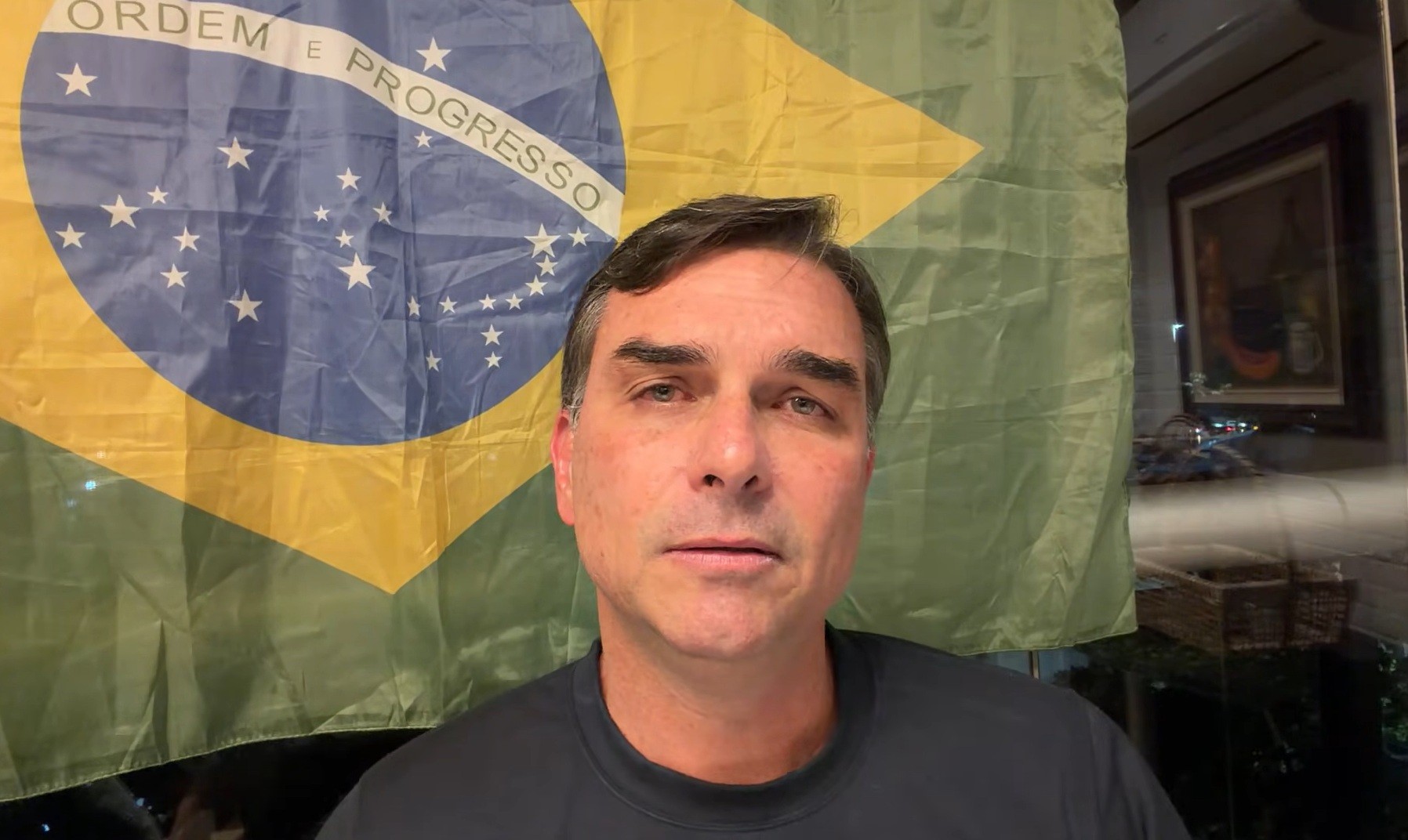
Senator Flávio Bolsonaro, a presidential hopeful, has criticized President Luiz Inácio Lula da Silva, holding him responsible for the United States' decision to impose a 25% surtax on Brazilian products. The U.S. Trade Representative's Office (USTR) confirmed the proposed "tarifaço," which includes an extensive list of exempt items and is set to take effect on July 22. This measure stems from a year-long USTR trade investigation under Section 301 of the Trade Act of 1974, designed to address potential trade barriers. Bolsonaro accused Lula of being unfit to lead Brazil, comparing him to a "pilotless plane" and calling him "grumpy, reckless, and a danger to our nation." He further stated that Lula represents the past, stagnation, and corruption, contrasting it with a future for Brazil. Senator Marco Rubio of the U.S. also commented, suggesting that Brazilian government policies were detrimental to both Americans and Brazilians and that Lula failed to negotiate in good faith. Rubio indicated that Lula's ego superseded the well-being of the Brazilian people, leading to these tariffs. This aligns with the view held by some in the Brazilian government that the decision carries political undertones, although the USTR officially denies this, attributing the tariffs to trade practices. The Brazilian government has labeled the U.S. decision a "regrettable milestone" and stated it repudiates the measure, citing a significant U.S. trade surplus with Brazil over the past 15 years. Brazil also asserts it has presented evidence refuting claims of unfair trade practices, and disputes accusations regarding Pix, digital platform regulation, and deforestation.
The imposition of U.S. tariffs on Brazilian goods, framed by Senator Flávio Bolsonaro as a political consequence of President Lula's actions, highlights the complex interplay between domestic politics, international trade policy, and geopolitical relationships. While the USTR cites trade law mechanisms, the timing and rhetoric from U.S. Senator Marco Rubio, who has prior connections with the Bolsonaro family, suggest potential political motivations influencing trade decisions. This situation underscores the vulnerability of international trade agreements to political leverage and the strategic use of economic measures for political signaling. Looking ahead, such disputes could shape Brazil's trade diversification strategies and its approach to engaging with the U.S. under different administrations, potentially impacting global supply chains and bilateral economic cooperation for years to come.
AI-generated to prompt reflection — not editorial opinion, not advice, not a statement of fact. How this works.