Flávio Bolsonaro calls PF searches at father's home a 'smokescreen'
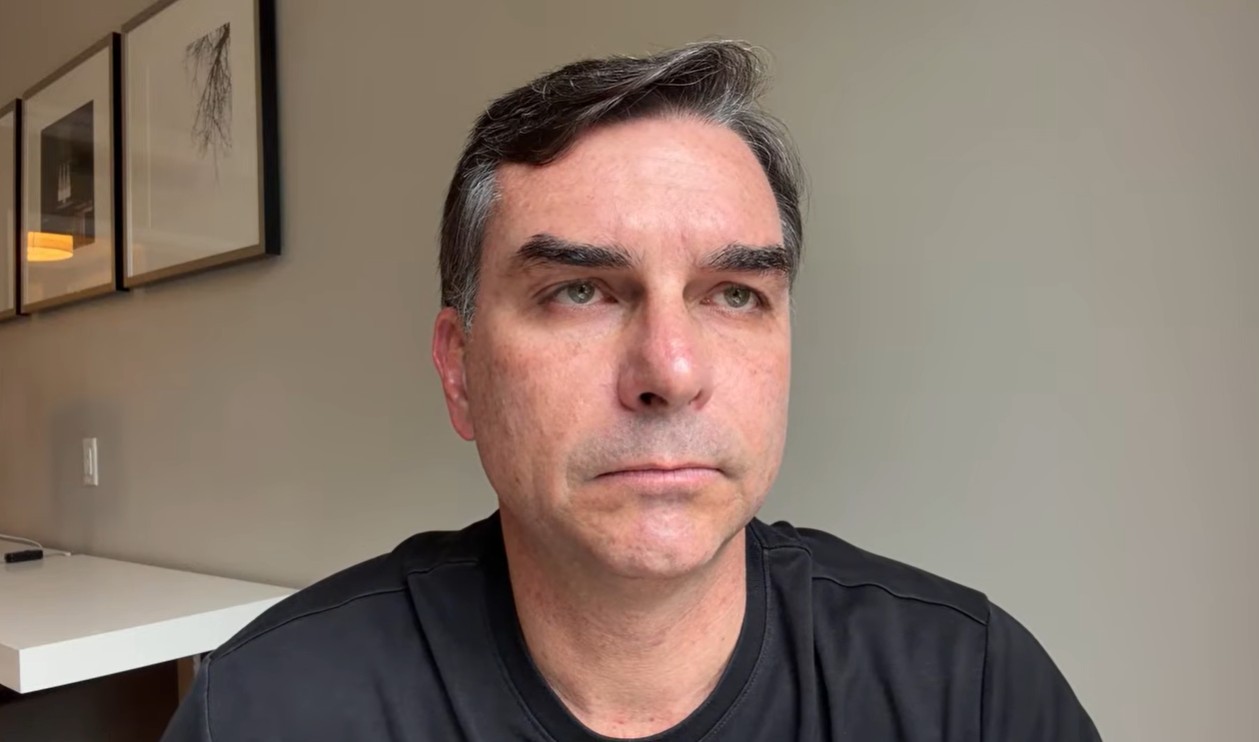
Senator Flávio Bolsonaro, a presidential pre-candidate for the PL party, described the searches conducted at his father, former President Jair Bolsonaro's, residence on Wednesday, June 8th, as a "smokescreen." Speaking from the United States after a public hearing on tariffs, Flávio stated the operation was a "clear attempt to create a smokescreen at this moment when I am working for Brazil, to divide the news cycle." He characterized the search and seizure as "unnecessary," "bad," and "embarrassing" for his family, who he said are "suffering." Flávio also asserted that Jair Bolsonaro is the victim of "relentless persecution" and that the former president's legally registered firearm, seized during a traffic stop and which prompted the search, is legal. The operation was authorized by Supreme Federal Court (STF) Minister Alexandre de Moraes, who cited discrepancies between the firearms surrendered and those registered in the former president's name. According to Federal Police sources, the searches at Bolsonaro's Jardim Botânico residence in Brasília were brief, lasting less than an hour. Minister Moraes explained that the conflicting information regarding the number of firearms registered to the former president motivated the searches. He noted that "information has emerged indicating a divergence between the quantity of firearms regularly registered in the name of the convict and those effectively handed over to the competent bodies, a circumstance that, in theory, evidences non-compliance with the judicial order and recommends the adoption of measures for the location and seizure of any armaments potentially kept by the convict." Moraes further emphasized that Bolsonaro's continued possession of firearms is incompatible with his house arrest.
The judicial actions against former President Jair Bolsonaro, including searches and seizures of firearms, are framed by his son, Senator Flávio Bolsonaro, as politically motivated harassment aimed at disrupting his pre-candidacy. Minister Alexandre de Moraes, however, cites legal grounds, specifically discrepancies in reported versus possessed firearms and incompatibility with house arrest, as the basis for his orders. This situation highlights a tension between political maneuvering and the enforcement of legal obligations, particularly concerning individuals under judicial restrictions. The core issue revolves around the adherence to court orders and the potential for individuals, regardless of political standing, to possess or retain items that may contravene judicial mandates. Future governance frameworks will need to ensure robust mechanisms for accountability and transparent legal processes that are insulated from political influence, thereby maintaining public trust in the rule of law.
AI-generated to prompt reflection — not editorial opinion, not advice, not a statement of fact. How this works.