Flávio Bolsonaro Faces Three Key Challenges, According to Quaest Poll
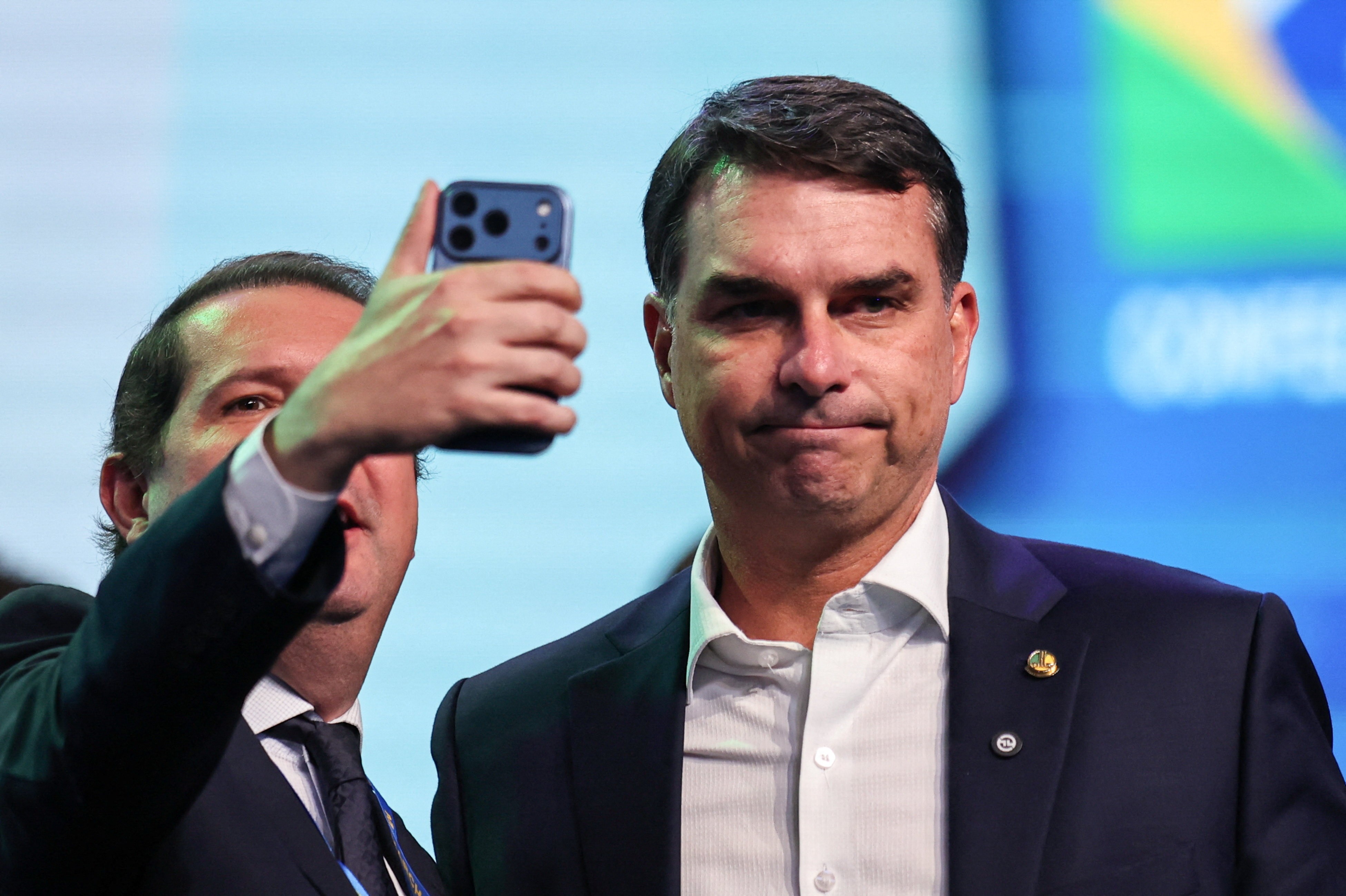
A recent Quaest poll reveals significant challenges for Flávio Bolsonaro's (PL-RJ) campaign, contrasting with positive impacts from President Lula's government initiatives. Bolsonaro's campaign is currently managing a series of crises, categorized into three main issues. The first emerged in May with revelations that Daniel Vorcaro, owner of Banco Master, funded the production of a film about former President Jair Bolsonaro. Flávio Bolsonaro stated he solicited these funds from the banker, but the episode remains unresolved, with a promised audit on film financing yet to be released. The second crisis stems from Flávio Bolsonaro's trip to the United States. Upon his return, he politically leveraged the classification of PCC and Comando Vermelho as terrorist organizations. However, his trip also generated concerns about potential new tariffs on Brazilian products, which the Lula administration has linked to Flávio and Eduardo Bolsonaro's U.S. dealings, causing ongoing campaign damage. The third issue involves a public dispute with Michelle Bolsonaro, who released videos alleging mistreatment by Flávio. In contrast, President Lula's administration benefits from measures directly impacting citizens, such as income tax exemption, the Desenrola 2.0 debt renegotiation program, and support for ending the 6x1 work schedule. These initiatives are positively perceived by voters and have bolstered Lula's standing, alongside Bolsonaro's campaign struggles. While Senator Jaques Wagner's connection to Banco Master presents a negative point for Lula, the poll suggests voters view it as a personal matter rather than an institutional government problem.
The political dynamics highlighted by the Quaest poll illustrate the interplay between campaign crises and government policy successes. Flávio Bolsonaro's campaign appears to be navigating reputational challenges stemming from financial dealings, international policy implications, and internal party disputes. These issues, particularly when amplified by public discourse and media scrutiny, can create significant headwinds. Conversely, President Lula's administration seems to be capitalizing on tangible economic relief measures that resonate directly with the electorate. The framing of these policies as beneficial to working citizens, contrasted with the controversies surrounding Bolsonaro, suggests a strategic advantage in public perception. Looking ahead, the effectiveness of crisis management and the sustained impact of economic policies will likely be critical factors in shaping electoral outcomes, particularly within the evolving landscape of public trust and information dissemination.
AI-generated to prompt reflection — not editorial opinion, not advice, not a statement of fact. How this works.