Flávio Bolsonaro Loses Non-Bolsonarist Right-Wing Support, Poll Shows
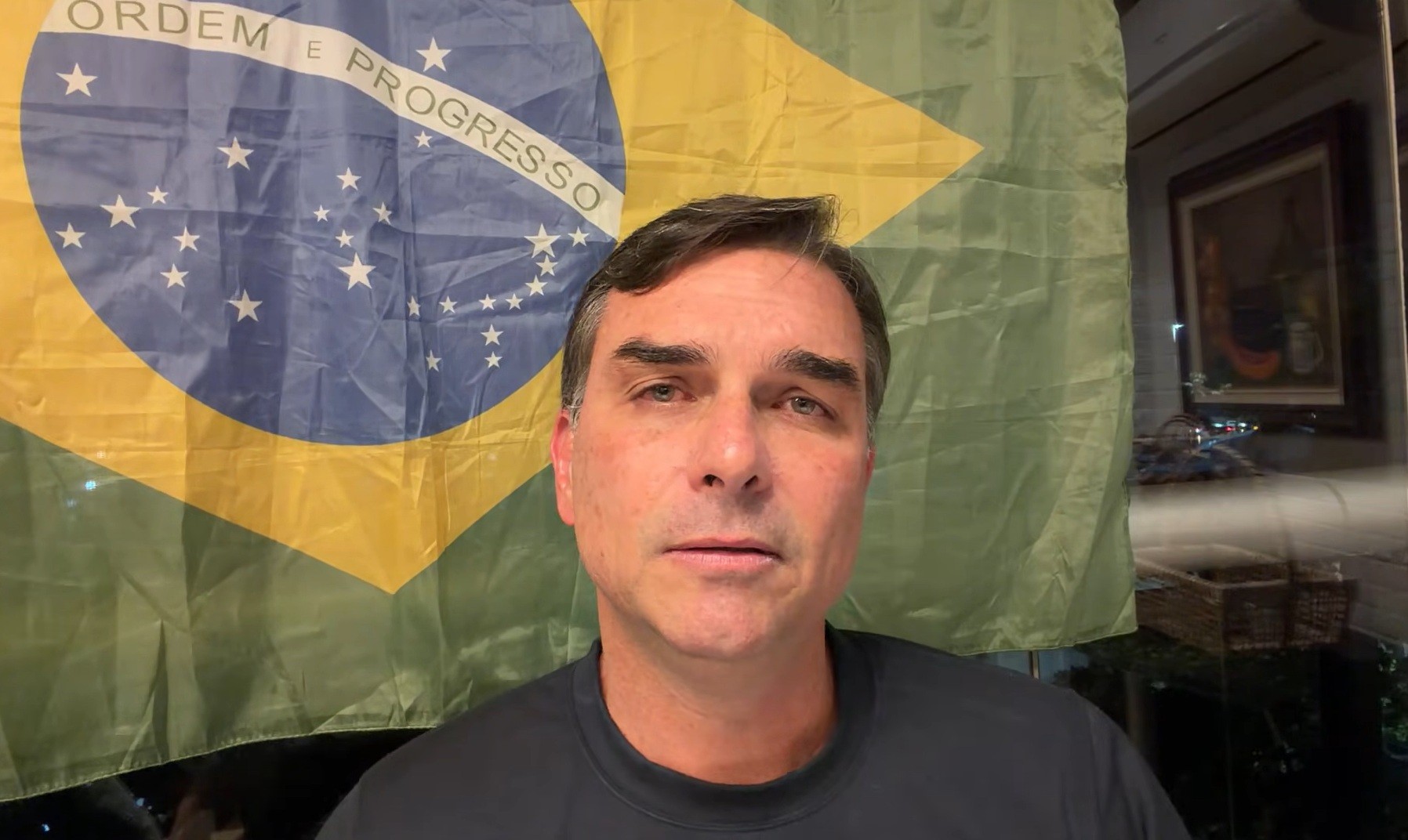
Senator Flávio Bolsonaro has seen a decline in support among right-wing voters who do not identify as Bolsonarists, according to a new poll by Quaest Research released on Wednesday, June 15th. This segment of voters represented 45% support in December and peaked at 74% in May, but has now fallen to 54%. In contrast, support among staunch Bolsonarists remains stable, with over 90% intending to vote for him since February. The shift is attributed by Quaest director Felipe Nunes to the "Dark Horse" film controversy, which involved allegations of illicit funding and threats linked to former banker Daniel Vorcaro. Messages and audio surfaced in May showing Senator Bolsonaro demanding money from Vorcaro for the film. Other right-wing candidates, such as Romeu Zema, Ronaldo Caiado, and Renan Santos, trail significantly with single-digit support among non-Bolsonarist right-wing voters, largely due to low name recognition. Nationally, Lula leads the presidential race with 40% of voter intention, followed by Flávio Bolsonaro at 28%. The number of undecided voters has risen to 11%, up from 5% in May. The poll also captured the impact of a video released by former First Lady Michelle Bolsonaro, detailing alleged mistreatment by Flávio. While 51% of respondents were unaware of the video, 42% sided more with Michelle's account, and 45% believed she was right to release the critical videos, a sentiment shared by only 20% of Bolsonarists.
This poll data suggests a potential fragmentation within the right-wing electorate, particularly concerning Senator Flávio Bolsonaro's appeal beyond his core Bolsonarist base. The "Dark Horse" film controversy and the public dispute with Michelle Bolsonaro appear to be significant factors eroding support among non-Bolsonarist conservatives. This indicates that while the Bolsonarist movement may be highly cohesive, its ability to expand or retain broader right-wing support is contingent on navigating these internal and external pressures. The rising undecided vote and the low recognition of alternative right-wing candidates highlight a potential vacuum, but also a challenge for any single figure to consolidate the entire opposition. Future electoral dynamics may depend on how effectively these factions can either reconcile or how new leadership emerges to capture the disaffected segments of the right.
AI-generated to prompt reflection — not editorial opinion, not advice, not a statement of fact. How this works.