Flávio Bolsonaro's defense denies AI video was a vote request, citing election law compliance
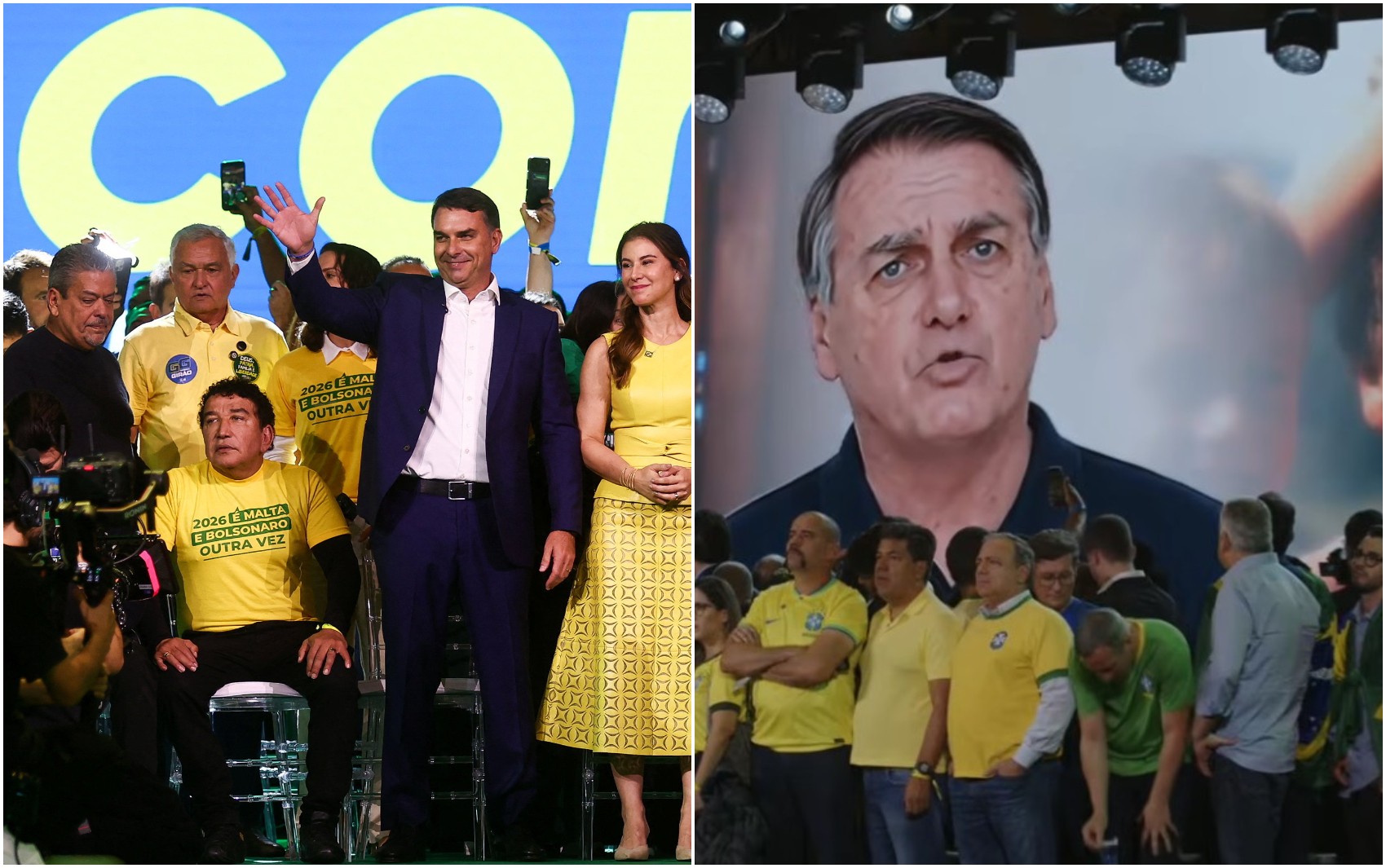
The legal defense for Senator Flávio Bolsonaro, a presidential pre-candidate, has denied that an Artificial Intelligence (AI) generated video used at the Liberal Party (PL) convention on Saturday, February 25th, constituted a vote request from former President Jair Bolsonaro. The convention, held in São Paulo, featured the AI-produced video simulating a speech from Jair Bolsonaro, who is currently under house arrest. In the recording, the former president stated he was "imprisoned and silenced by an arbitrary decision," asserting that "no imprisonment will silence the feeling of hope" his movement has inspired. He also urged supporters to receive Flávio Bolsonaro "with open arms" as his presidential candidate. Flávio Bolsonaro's lawyers argued that the video did not violate electoral law because the use of technology was disclosed, and the audience was informed it was not a live broadcast or an authentic recording of Jair Bolsonaro. They further contended that the event was private, requiring pre-registration and targeted at specific attendees like party members and delegates, not the general electorate. The defense described the video as a "technological puppet" with appropriate disclaimers, ensuring no deception or misleading of the public, and that the appeal to welcome Flávio Bolsonaro as a replacement candidate did not explicitly solicit votes. They also drew parallels to traditional political communication methods, comparing the AI avatar to historical use of paper cutouts, posters, masks, and shirts with supportive messages, classifying the AI video as a modern, functional audiovisual representation or digital character.
The use of AI-generated content in political campaigns presents novel challenges to electoral integrity and transparency. While the defense argues the AI video was a disclosed technological representation akin to traditional campaign materials, the line between artificial representation and undue influence can be blurred. The core issue revolves around whether such AI-generated content, even with disclaimers, could be perceived by the broader electorate as an authentic endorsement or appeal, potentially circumventing regulations designed to ensure a level playing field. Future electoral frameworks may need to address the specific implications of deepfakes and AI avatars to maintain public trust and prevent sophisticated forms of political manipulation. This incident highlights the evolving landscape of political communication and the need for adaptive regulatory oversight in the digital age.
AI-generated to prompt reflection — not editorial opinion, not advice, not a statement of fact. How this works.