Flávio Bolsonaro's Firm Issued, Canceled Invoices for Company Linked to Master Case
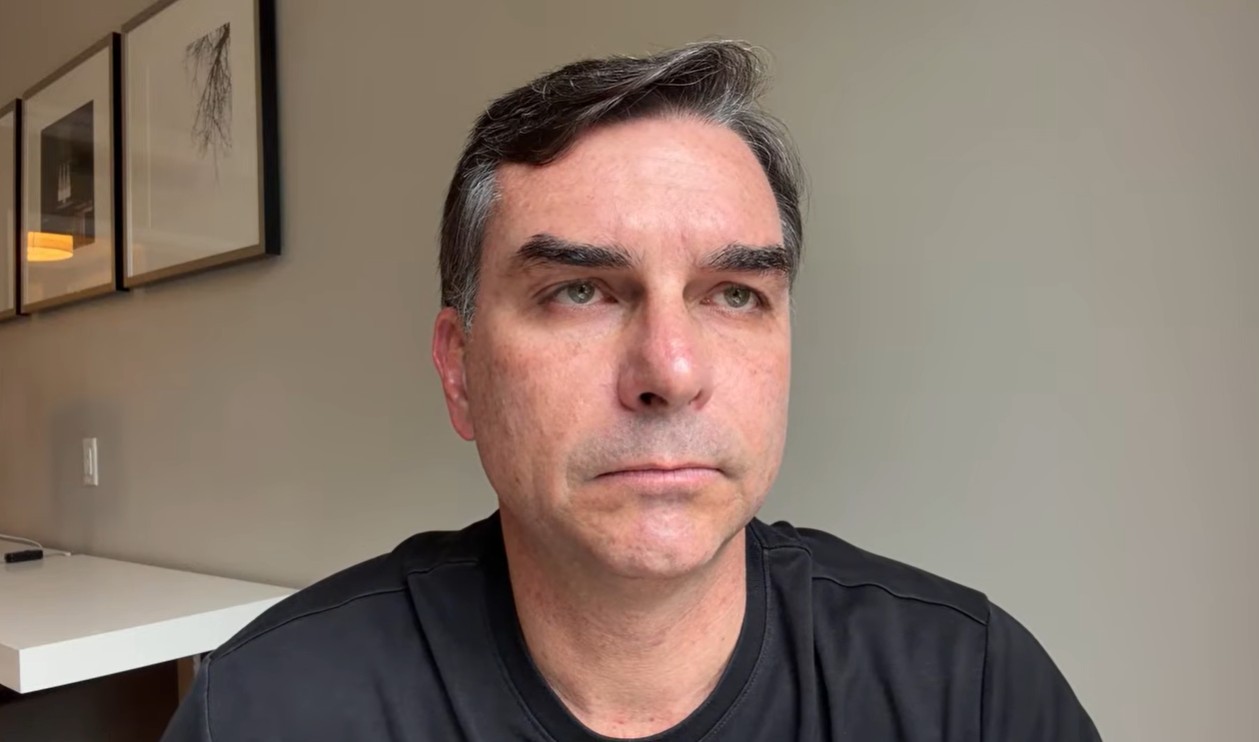
The law firm of Senator Flávio Bolsonaro, who is also a presidential pre-candidate, issued two invoices totaling R$ 1 million for a company named Copenhagen Assessoria e Consultoria. Each invoice was for R$ 500,000 and was dated April 7, 2025, but both were canceled on the same day. Copenhagen had as a director Artur Figueiredo, who is implicated in the Master case investigations and suspected of involvement in financial fraud at the bank. Trustee DTVM, where Figueiredo was a manager, stated that as the administrator of the Estônia Multiestratégia fund, it had no oversight of Copenhagen's commercial dealings or payments involving Banco Master. Trustee also asserted that Figueiredo acted in strict compliance with applicable laws and governance procedures during his tenure. Documents obtained by the CPI do Crime Organizado show that Copenhagen received R$ 57.9 million from Banco Master between 2024 and 2025. Separately, on April 9, 2025, Bolsonaro's firm issued another R$ 500,000 invoice to Contábil Correa for "legal advisory services." Contábil Correa is registered to Rogério Novo, who later became Copenhagen's director in September 2025, succeeding Figueiredo. Senator Bolsonaro stated on social media that he performed legal services for Contábil Correa and had negotiated with Copenhagen, but ultimately did not accept work from Copenhagen, hence canceling the invoices. He emphasized the legality and privacy of his business dealings and clarified he did not receive money from Copenhagen.
This situation highlights potential conflicts of interest and the complexities of financial transparency, particularly when political figures are involved with entities under investigation. The swift cancellation of invoices and the subsequent public statements suggest an attempt to mitigate reputational risk and distance from potentially illicit financial activities. Examining the incentive structures for political actors and their legal firms to engage with companies linked to financial irregularities is crucial. Future regulatory frameworks may need to address the due diligence requirements for professional service providers when dealing with entities that have connections, however indirect, to ongoing financial crime investigations, especially considering the evolving landscape of digital finance and its potential for obfuscation.
AI-generated to prompt reflection — not editorial opinion, not advice, not a statement of fact. How this works.