Flávio Bolsonaro's letter to the US sparks political firestorm in Brazil
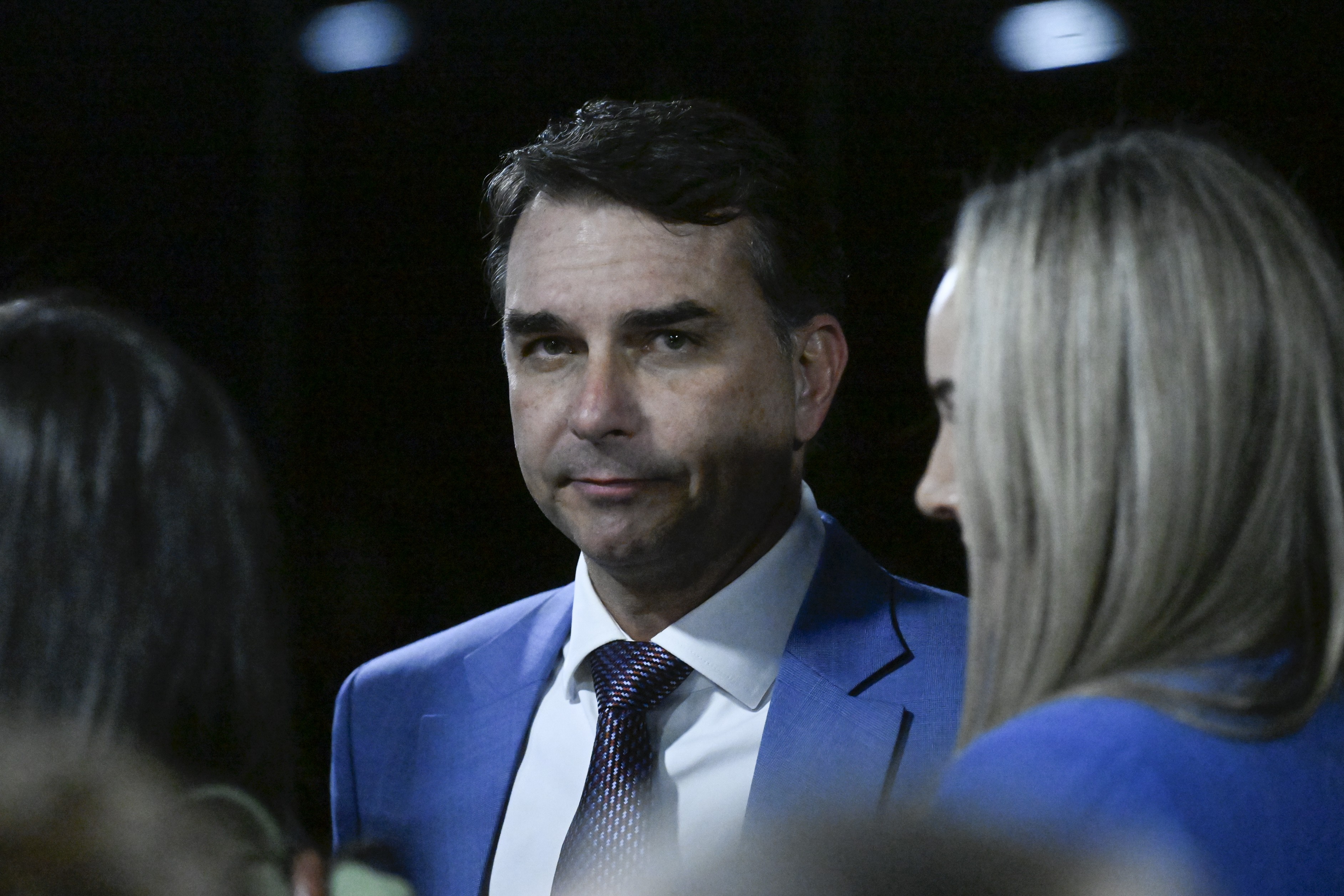
Allies of Brazilian presidential hopeful Flávio Bolsonaro are concerned about a letter he sent to the United States requesting a delay in new tariffs on Brazilian exports. They believe the letter alienates independent voters and provides ammunition for President Lula to accuse Bolsonaro of being a "traitor" to national interests. Bolsonaro's allies acknowledge they will need to mitigate the political damage caused by his perceived closeness to U.S. President Donald Trump. The tariff issue is seen as a political gift to Lula, potentially harming Bolsonaro's campaign. In his letter to the U.S. Trade Office, Flávio Bolsonaro asked Trump to postpone the tariff decision, arguing that implementing them before the election would politically benefit President Lula. However, the letter's tone suggests that if Bolsonaro wins, he would strike a deal favorable to the United States. President Lula immediately criticized the letter as "subservient" to Trump's interests and "traitorous." Lula framed the letter as a national sovereignty issue, accusing the Bolsonaro family of attempting to subordinate Brazil to U.S. interests. He specifically condemned the request to delay tariffs until after the election as an act of treason. Lula also contested Bolsonaro's claims that the current Lula administration is unwilling to negotiate and dismissed any attempt to link the Banco Master scandal to his government. The presidential team also noted that the letter omitted Bolsonaro's request to banker Daniel Vorcaro for financing a film about his father, former President Jair Bolsonaro.
The political maneuvering surrounding the proposed U.S. tariffs on Brazilian exports highlights the complex interplay between international trade policy and domestic electoral politics. Flávio Bolsonaro's appeal to the U.S. government, while ostensibly aimed at mitigating immediate economic impacts, has been interpreted by political opponents as a strategic misstep that could undermine national sovereignty narratives. This situation underscores the challenges faced by candidates in balancing foreign policy considerations with the need to appeal to a broad domestic electorate. The incident demonstrates how international economic pressures can become potent campaign issues, forcing candidates to navigate delicate diplomatic and nationalist sentiments. Future presidential campaigns in Brazil may increasingly feature similar debates over trade agreements and their perceived impact on national interests, particularly in the context of evolving global economic dynamics and the rise of protectionist sentiments worldwide.
AI-generated to prompt reflection — not editorial opinion, not advice, not a statement of fact. How this works.