Flávio Bolsonaro's presidential bid faces internal friction and strategic challenges
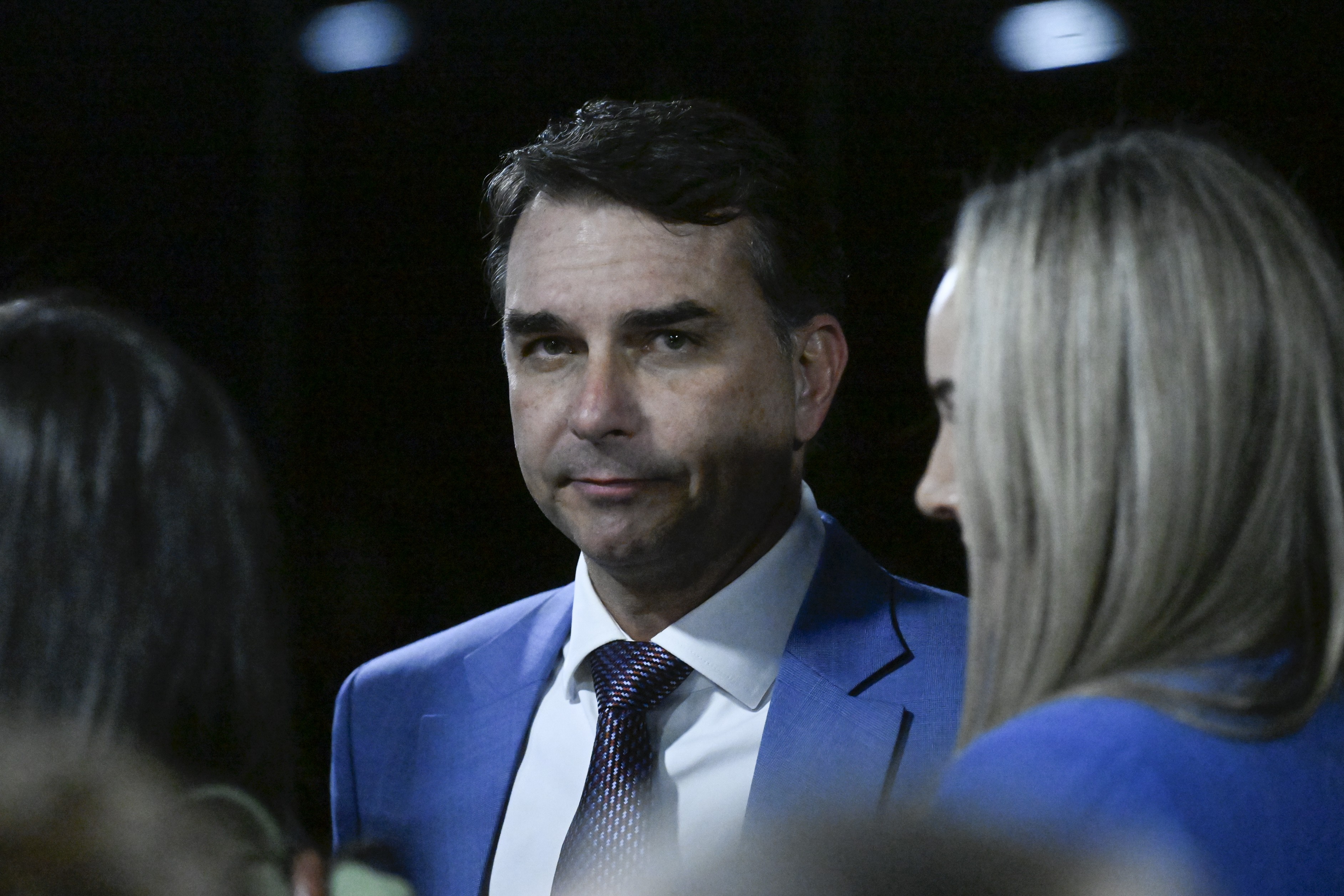
Senator Flávio Bolsonaro's presidential pre-campaign is encountering significant internal resistance and strategic difficulties. Allies are expressing dissatisfaction with the leadership of Senator Rogério Marinho, who is coordinating Bolsonaro's candidacy. A key concern is the lack of integration among various campaign factions, leading to excessive centralization of decision-making and struggles to accommodate political and party leaders. This internal friction is reportedly fueling disputes rather than strengthening the campaign's organization. Furthermore, the campaign is perceived as struggling to generate political momentum, produce effective content, secure media coverage, and influence public discourse. Supporters suggest Bolsonaro's political presence relies heavily on social media and spontaneous grassroots mobilization, rather than a professional communication strategy. Criticisms also extend to the "U.S. committee," allegedly influencing strategic decisions, including former deputy Eduardo Bolsonaro. This dynamic reportedly causes internal communication issues, slows decision-making, and diminishes the perceived prominence of the domestic campaign team. Tensions escalated following a video featuring former First Lady Michelle Bolsonaro and the announcement of U.S. trade tariffs by President Donald Trump. A letter from Flávio Bolsonaro to the U.S. Trade Representative's office, requesting a delay rather than cancellation of potential tariffs until after the 2026 Brazilian elections, has also been viewed as politically advantageous to President Lula's government.
The internal dynamics of Flávio Bolsonaro's presidential pre-campaign highlight common challenges in managing diverse political factions and external communication strategies. The reported centralization of decision-making and external influence from a U.S.-based committee suggest potential governance issues within the campaign structure, which can impede agility and broad coalition-building. The campaign's reliance on social media over traditional media and public discourse shaping indicates a strategic trade-off, potentially limiting broader appeal beyond a dedicated base. The handling of the U.S. trade tariff issue, particularly the letter requesting a delay, demonstrates the complex interplay between domestic political positioning and international relations, where actions can inadvertently bolster political opponents. Moving forward, the campaign must navigate these internal coordination challenges and refine its communication strategy to build a more cohesive and externally impactful presence, considering the evolving political landscape and the increasing importance of integrated communication efforts in the digital age.
AI-generated to prompt reflection — not editorial opinion, not advice, not a statement of fact. How this works.