Flávio Bolsonaro's VP Search Hits Snags with Republicanos and União-PP
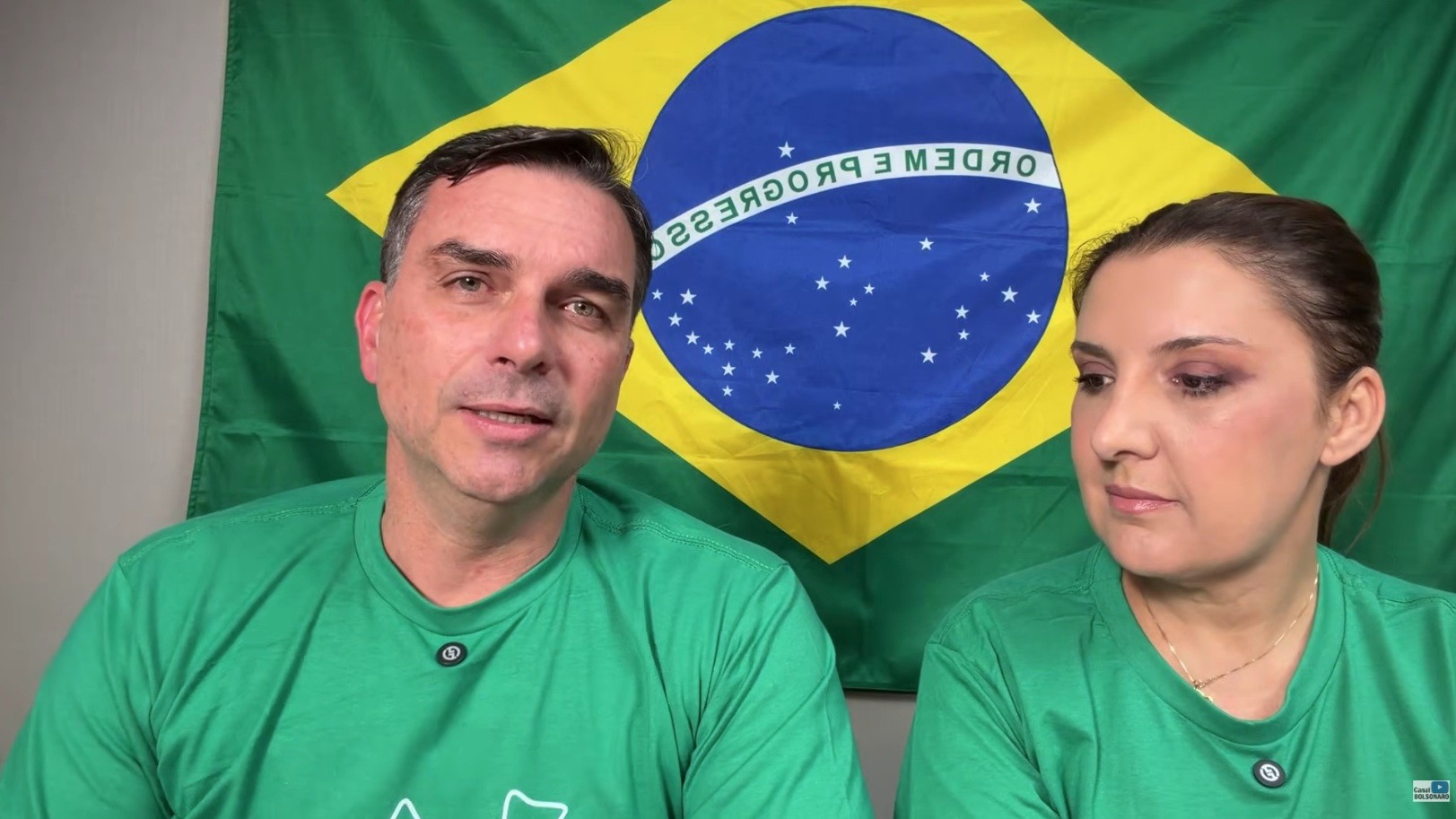
Senator Flávio Bolsonaro (PL-RJ) is facing difficulties in selecting a vice-presidential running mate as his party, the PL, attempts to secure support from the Republicanos and the União-PP federation. However, both parties have indicated a preference for neutrality at the national level, allowing their state chapters to independently choose presidential candidates to support. This lack of a defined coalition has prompted Flávio's campaign coordinator, Senator Rogério Marinho (PL-RN), to extend the deadline for announcing a vice-presidential candidate beyond the PL's national convention on Saturday, August 25th. Potential vice-presidential candidates from Republicanos include Daniella Marques, former Caixa president, while União-PP has considered deputies Simone Marquetto and Clarissa Tércio, and Senator Tereza Cristina, though the latter has reportedly declined. Securing support from these parties is crucial for extending campaign time on radio and television, as coalition size dictates airtime. The absence of a center-right ally could also signal Flávio Bolsonaro's political isolation, a concern for his campaign.
Negotiations with Republicanos are ongoing, with the party conditioning its support on the PL backing its gubernatorial candidates in certain states, such as Wellington Fagundes (PL) in Mato Grosso, who is resisting ceding his candidacy to support Otaviano Pivetta (Republicanos). In Roraima, the PL faces resistance from Republicanos regarding a gubernatorial bid, while in Acre, Republicanos seeks PL support for Senator Alan Rick's gubernatorial campaign, though the PL appears inclined to back Mailza Assis (PP). In Espírito Santo, a potential alliance between Republicanos and PL for gubernatorial and senatorial races has alienated the PSD. Meanwhile, the União-PP federation is leaning towards national neutrality, prioritizing the election of large congressional blocs over presidential endorsements, as they believe alliances with the PL may not yield significant electoral benefits in many states. Despite this national stance, state-level decisions may vary, as evidenced by the União-PP's support for a senatorial candidate in São Paulo, while in Rio de Janeiro, a potential vice-presidential candidate withdrew, and Republicanos announced its own gubernatorial candidate.
The current political maneuvering surrounding Flávio Bolsonaro's vice-presidential selection highlights the complex dynamics of coalition-building in Brazilian politics. The PL's struggle to secure running mates from Republicanos and União-PP reflects a broader trend where established parties are increasingly prioritizing their own state-level interests and congressional representation over national presidential endorsements. This strategic independence suggests a recalibration of party loyalties, driven by the pursuit of legislative power and regional influence in an era of fragmented political landscapes. The situation also underscores the inherent tension between national party platforms and localized electoral realities, where the perceived strength of a presidential candidate may not translate into guaranteed regional support. As parties navigate these trade-offs, the ultimate outcome will shape the electoral calculus and potentially influence the broader distribution of power in the upcoming legislative sessions.
AI-generated to prompt reflection — not editorial opinion, not advice, not a statement of fact. How this works.