Flávio Bolsonaro's VP Search: Tereza Cristina Emerges as Key Contender
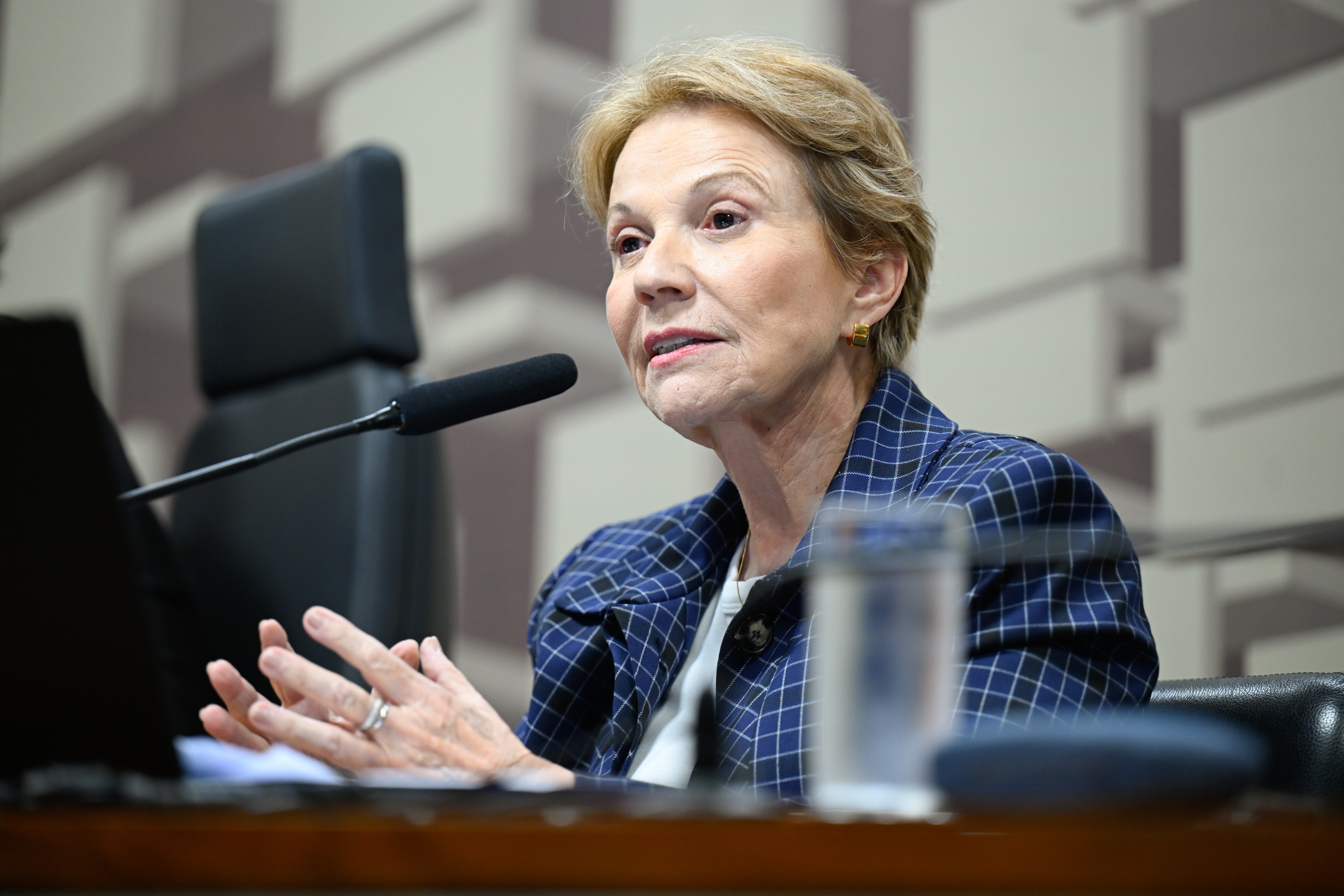
Senator Tereza Cristina (PP-MS) has emerged as a prominent candidate for the vice-presidential running mate of Flávio Bolsonaro (PL), despite her party, the Progressistas (PP), declaring neutrality in the presidential race. Bolsonaro expressed his honor at Cristina's willingness to join his ticket and left the door open for her candidacy, stating "anything can happen by the 5th." Previously, in April, Bolsonaro had described Cristina as "everyone's dream," recognizing her as a leading figure in Brazilian agribusiness. Cristina, a 72-year-old senator from Mato Grosso do Sul, is seen as a strategic asset due to her influence in agribusiness, her ability to bridge the Centrão political bloc and Bolsonarism, and her gender, which could help address Bolsonaro's perceived difficulties with female voters. Born in Campo Grande in 1954, Cristina is a descendant of former Mato Grosso governor Pedro Celestino Corrêa da Costa. An agronomist by training, she built a career as a rural entrepreneur before entering politics. Her public service includes roles as Secretary of State for Agrarian Development, Production, Industry, Commerce, and Tourism in Mato Grosso do Sul from 2007 to 2014. She was elected to the Chamber of Deputies in 2014 and re-elected in 2018, becoming a leading voice for agribusiness and presiding over the Parliamentary Front of Agriculture (FPA). Her national profile soared when she served as Minister of Agriculture, Livestock, and Supply under President Jair Bolsonaro from 2019 to March 2022, overseeing record agricultural exports in 2021. Despite her ministerial success, her tenure faced criticism for the rapid approval of new pesticides. In 2022, she was elected to the Senate with a significant majority, defeating former Health Minister Luiz Henrique Mandetta. Cristina's potential candidacy is attractive because she represents the Centrão, is a trusted figure within Bolsonarism, and possesses valuable management experience. Her profile as a woman with a technical background and moderate discourse is considered a potential advantage in appealing to female voters. Although the PP's national executive committee's neutrality decision has complicated the plan, the personal alliance remains, with Cristina expected to continue campaigning alongside Bolsonaro.
The political maneuvering around Tereza Cristina's potential vice-presidential candidacy highlights the strategic importance of agribusiness influence and gender representation in Brazilian electoral campaigns. While Cristina's profile aligns with key voter demographics and political blocs, her party's neutral stance introduces a layer of complexity, underscoring the internal coalition dynamics that shape candidate selection. The situation reflects a broader trend where technical expertise and established sectoral leadership are leveraged to bolster electoral appeal, particularly in addressing perceived weaknesses in voter support. Future campaigns may increasingly focus on such multi-faceted profiles to navigate diverse electoral landscapes and capitalize on specific demographic advantages.
AI-generated to prompt reflection — not editorial opinion, not advice, not a statement of fact. How this works.