Flávio Bolsonaro Slams Justice Moraes' Ban on Visits to Ex-President Jair Bolsonaro
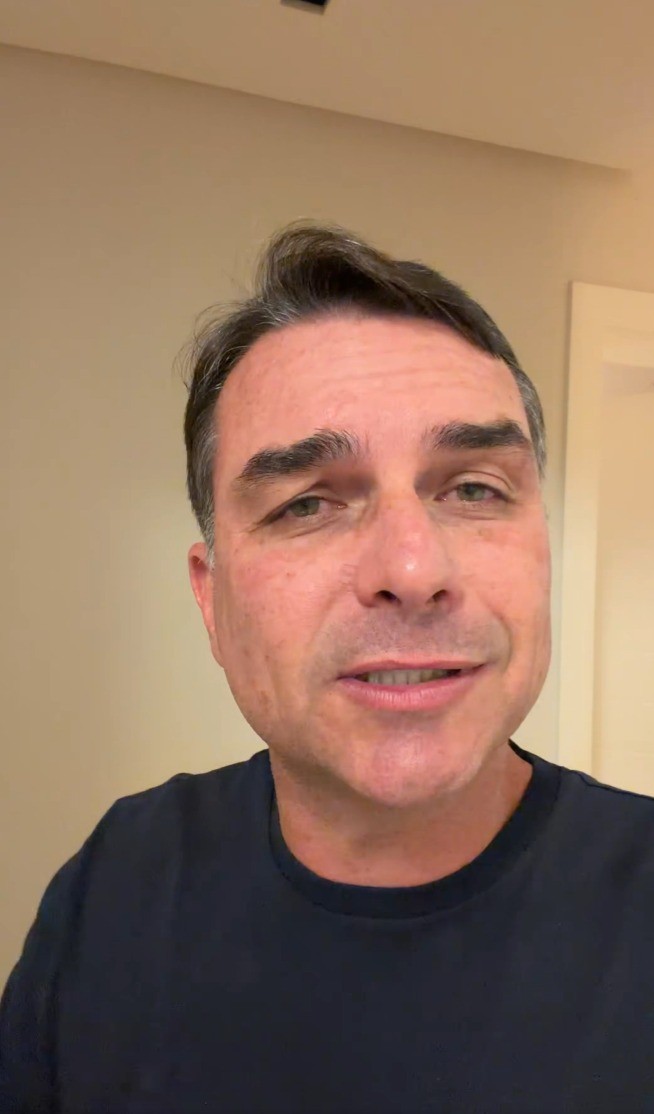
Senator Flávio Bolsonaro has vehemently criticized a decision by Supreme Court Minister Alexandre de Moraes, which prohibits former President Jair Bolsonaro from receiving "political-electoral" visits during his house arrest until the end of the elections in October. Flávio Bolsonaro described the ruling as "illegal, disproportionate, cowardly, and cruel," accusing Moraes of acting out of fear that a Bolsonaro might return to the presidency. He stated that Moraes has lost his impartiality as a judge due to this fear. The decision, issued on Friday, May 17th, maintains Jair Bolsonaro's house arrest and bars him from receiving visits with a political or electoral purpose until the conclusion of the 2026 elections. This ruling follows the public reading of a letter written by Jair Bolsonaro, which Flávio read during a live broadcast. Minister Moraes also suspended general visits to Jair Bolsonaro for 30 days, with exceptions for his medical and legal teams. Flávio Bolsonaro, who is also listed as one of Jair Bolsonaro's lawyers, had his visits to his father suspended for 90 days after reading the "Letter to Brazilians." He accused Moraes of abusing state power for personal vendettas and interfering in the upcoming presidential elections. Flávio also called on STF President Edson Fachin to act, asserting that Jair Bolsonaro's political rights were revoked by his "enemies" and warning against a "tyrant" consolidating power. Minister Moraes justified the ban by citing the "political-electoral" nature of the letter, which Jair Bolsonaro intended to communicate to his supporters through his son's social media channels, despite Jair Bolsonaro's loss of political rights following a conviction in a coup plot investigation.
This situation highlights the intense political polarization in Brazil and the judiciary's role in managing the fallout from past political events. Minister Moraes's decision to restrict visits and communication for Jair Bolsonaro, while framed as a legal measure to prevent political interference, is perceived by critics like Flávio Bolsonaro as an overreach intended to suppress political opposition. The core tension lies in balancing the need for accountability and the prevention of further political instability with the principles of political participation and due process, even for individuals who have lost political rights. The use of house arrest and communication restrictions raises questions about the proportionality of measures in a democratic society and their potential to be weaponized in political disputes. Future developments will likely revolve around legal challenges to these restrictions and their impact on the political landscape leading up to the 2026 elections, potentially influencing public perception of judicial independence and fairness.
AI-generated to prompt reflection — not editorial opinion, not advice, not a statement of fact. How this works.