Flávio Bolsonaro to Visit US to Defend Brazil's PIX Payment System
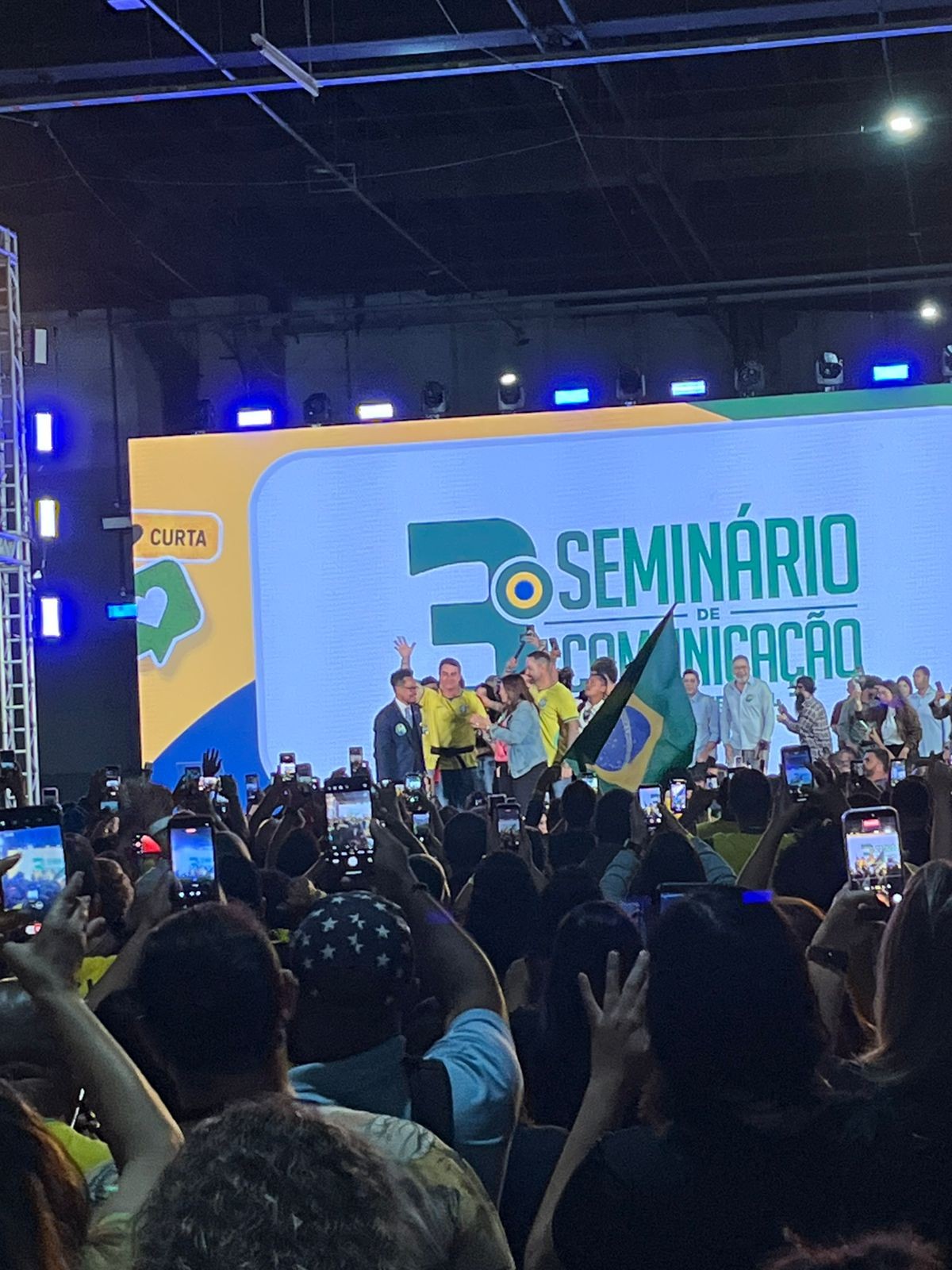
Senator Flávio Bolsonaro announced he will travel to the United States to advocate for Brazil's PIX payment system, expressing concern that the current Brazilian government is not adequately defending national interests. He stated that PIX, created under his father's administration without fees, is a Brazilian asset that needs protection. Bolsonaro plans to argue against potential tariffs and internationalization of PIX, which he believes would harm Brazilian businesses. He also intends to address concerns about U.S. trade policies and advocate for a delay in proposed tariffs on Brazilian exports. Bolsonaro views these tariffs as detrimental to U.S. investment and counterproductive, potentially strengthening the current Brazilian government politically. He has submitted an 86-page document to the U.S. Trade Representative (USTR) outlining his arguments, highlighting PIX as a sovereign public infrastructure comparable to the U.S. FedNow system. He also pointed out that PIX has expanded the consumer market for U.S. companies in Brazil. The senator's actions are independent of Brazil's Ministry of Foreign Affairs and come as the USTR investigates Brazilian trade practices, including those related to PIX, digital trade, and other sectors. Brazil's government, through its Foreign Ministry, has also submitted a response to the USTR investigation, denying that its policies are discriminatory or create barriers to U.S. trade. President Lula has attributed the U.S. tariff threats to lobbying efforts by the Bolsonaro family against Brazilian institutions.
Senator Flávio Bolsonaro's initiative to lobby U.S. officials regarding PIX and proposed tariffs highlights the complex interplay between domestic policy, international trade relations, and political positioning. By framing PIX as a national asset and criticizing the current Brazilian government's stance, he seeks to leverage international platforms for domestic political gain, particularly in an election year. This approach underscores the growing trend of non-state actors engaging directly with foreign governments on trade matters, potentially bypassing traditional diplomatic channels. The U.S. Trade Representative's investigation and potential tariff imposition reflect ongoing global trade tensions and the use of trade policy as leverage in broader geopolitical and economic disputes. Future developments will likely depend on the U.S. administration's assessment of the evidence, the effectiveness of lobbying efforts from both Brazilian government and private interests, and the broader strategic economic interests at play between the two nations.
AI-generated to prompt reflection — not editorial opinion, not advice, not a statement of fact. How this works.