Flamboyant Shopping Plans $1.5 Billion Expansion for Mixed-Use Complex
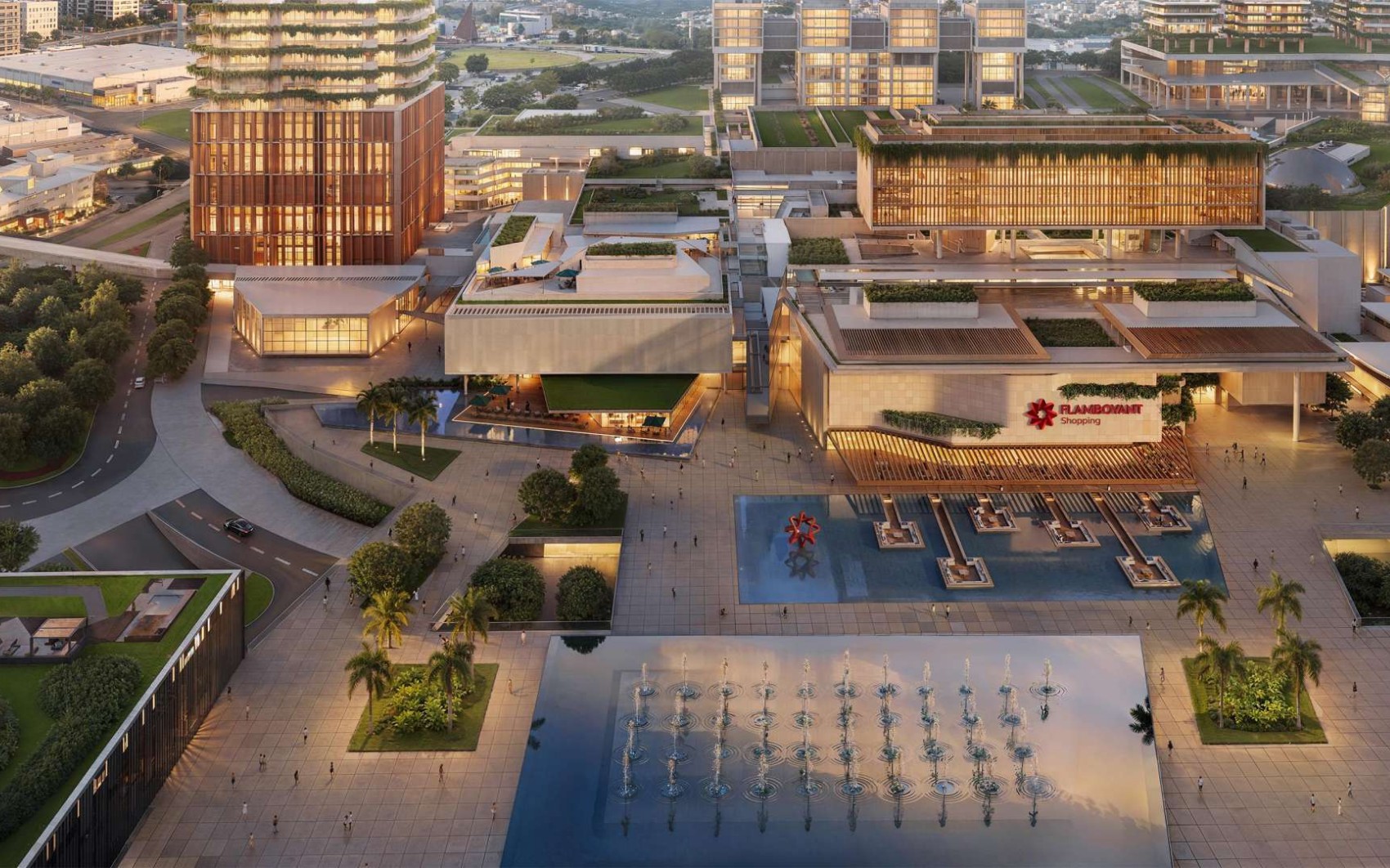
Flamboyant Shopping has announced its largest expansion to date, involving an investment of R$1.5 billion (approximately $300 million USD). The ambitious project will introduce a sprawling mixed-use complex designed to offer unparalleled convenience to consumers. This expansion will add 86 new retail stores, seven restaurants, three cinema screens, and a large supermarket. Additionally, the complex will feature a medical center, a corporate office tower, and a separate tower for hotel and serviced residences.
Emmanuele Louza, CEO of Flamboyant, stated that the multi-functional design aims to meet a growing consumer demand for practicality, allowing individuals to manage various aspects of their lives—work, shopping, medical appointments, accommodation, and leisure—all within a single location. The project is slated for completion and inauguration in the second half of 2029, and will increase the shopping center's Gross Leasable Area (ABL) by 37,000 square meters. The expansion is expected to further stimulate the growth of the Jardim Goiás region, attracting new businesses, creating jobs, and enhancing local services, aligning with urban development trends that favor continuous, multi-purpose space utilization.
Construction will prioritize maintaining the shopping center's normal operations, with safety and comfort for visitors, retailers, and staff as key objectives throughout the phased development. Flamboyant Shopping, which opened in 1981, currently hosts approximately 1.5 million visitors monthly and features over 300 brands, including numerous luxury labels.
This significant investment in a mixed-use development reflects a strategic response to evolving consumer behavior, prioritizing integrated living, working, and leisure experiences. The project's success will hinge on its ability to effectively manage the complexities of a multi-faceted operational environment, balancing retail, hospitality, healthcare, and corporate functions. Future urban planning may increasingly favor such consolidated hubs to optimize resource utilization and reduce urban sprawl, though careful consideration of traffic, infrastructure, and community impact will be crucial for long-term sustainability and resident well-being. The emphasis on 'permanence' in space utilization highlights a shift towards creating vibrant, self-sustaining ecosystems within urban centers, a trend likely to accelerate as technology enables more flexible work and living arrangements.
AI-generated to prompt reflection — not editorial opinion, not advice, not a statement of fact. How this works.