Flash droughts rapidly deplete landscape moisture, escalating wildfire risk, new research finds
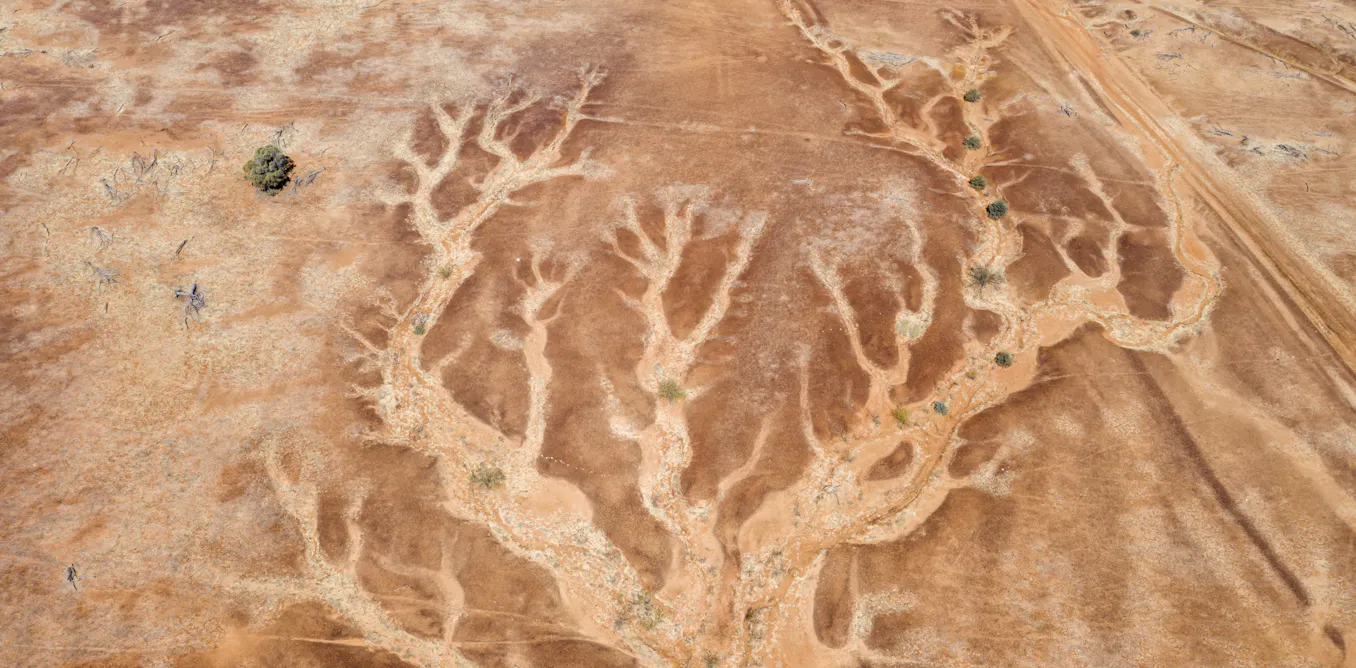
New research indicates that droughts should not be viewed as a static condition of low moisture. Instead, the study highlights that rapid changes in drought conditions can significantly increase the risk of wildfires. These 'flash droughts' are characterized by their swift development and their alarming capacity to extract moisture from the landscape. This rapid depletion of moisture creates tinder-dry conditions, making the environment far more susceptible to ignition and the rapid spread of fires. The findings suggest a need to re-evaluate drought monitoring and response strategies to account for the dynamic and accelerating nature of these events. Understanding and predicting these rapid onset droughts is crucial for improving wildfire prevention and management efforts, especially in regions prone to such phenomena. The research underscores the urgency of adapting to evolving climate patterns that may foster more frequent and intense flash drought events.
The research highlights a critical shift in understanding drought dynamics, moving from a static model to one that acknowledges rapid onset events. This re-framing is essential as climate change potentially increases the frequency and intensity of such 'flash droughts.' The implication for land management and emergency services is a need for more agile response systems capable of predicting and reacting to swift environmental changes. This necessitates investment in advanced meteorological modeling and early warning systems that can identify the precursors to rapid moisture depletion. The challenge lies in integrating these predictive capabilities into actionable strategies that mitigate the escalating wildfire risk, balancing resource allocation between preparedness for slow-onset and rapid-onset drought scenarios.
AI-generated to prompt reflection — not editorial opinion, not advice, not a statement of fact. How this works.