Flexible PCBs: More Accessible Than You Might Think
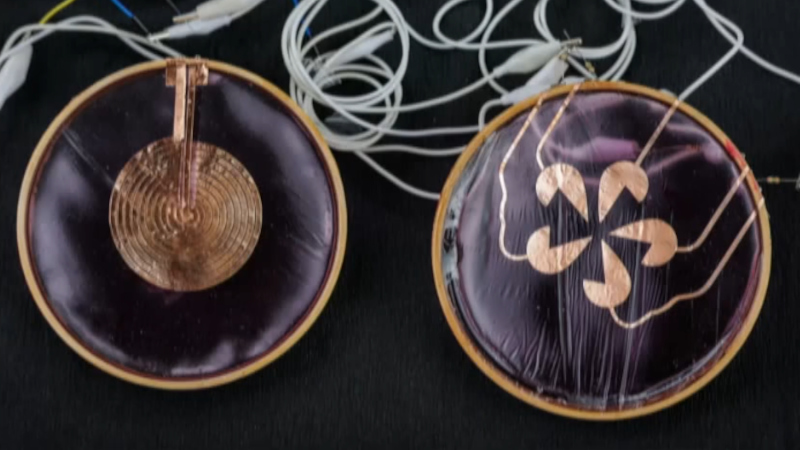
Flexible printed circuit boards (PCBs) offer a way to move electronics beyond traditional two-dimensional designs, yet they remain unfamiliar to many. Jessica Stanley has been exploring this technology. Her work aims to demystify flexible PCBs and highlight their potential applications. These circuits can bend and conform to various shapes, opening up possibilities for innovative electronic devices. Unlike rigid PCBs, flexible versions allow for greater design freedom and integration into complex or dynamic systems. Stanley's efforts are geared towards making this technology more approachable for a wider audience. This includes makers, hobbyists, and potentially even small-scale manufacturers. The goal is to encourage experimentation and adoption of flexible PCB technology. By sharing knowledge and practical examples, she hopes to lower the barrier to entry. This could lead to a surge in creative projects utilizing these versatile components. The accessibility of flexible PCBs is key to unlocking their full potential in future electronic innovations.
The increasing sophistication and miniaturization of electronic components necessitate advancements in circuit board design. Flexible PCBs represent a significant evolution beyond rigid structures, enabling integration into non-planar surfaces and dynamic applications. As Jessica Stanley's work suggests, the perceived complexity or cost of this technology may be a barrier to wider adoption. Democratizing access to flexible PCB design and manufacturing tools could foster innovation across diverse sectors, from consumer electronics to medical devices and wearable technology. Future advancements will likely focus on improving durability, reducing costs further, and developing automated design and fabrication processes to fully capitalize on the versatility of flexible electronics.
AI-generated to prompt reflection — not editorial opinion, not advice, not a statement of fact. How this works.