Flight Instructor Jumps From Plane in Argentina; Student Lands Safely
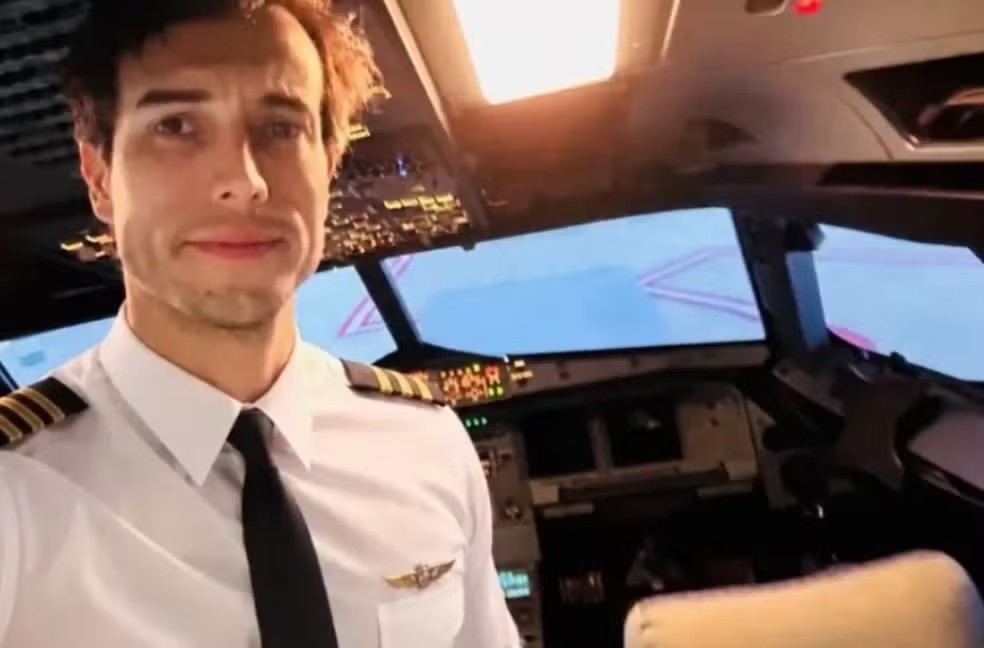
A shocking incident occurred in Argentina's Córdoba province when flight instructor Leandro Bertazzo, 42, jumped from a training aircraft at an estimated altitude of 250 meters. Bertazzo was accompanying a student pilot, who possessed a license but limited flight hours on the specific aircraft, a Cessna 150. Following the instructor's jump, the student, whose name was not disclosed, successfully contacted air traffic control and managed to land the plane without further incident. Experts have clarified that opening an aircraft door mid-flight, particularly on a smaller, slower plane like the Cessna 150, is a maneuver that can be trained for emergency situations. Eduardo Alvarez, director of the Flying Parrot Córdoba school, noted the difficulty of opening the door against air pressure but confirmed it was possible. Raul Marinho, technical director of the Brazilian General Aviation Association (Abag), explained that the Cessna 150's low stall speed (around 88 km/h) makes such an action feasible, especially at lower altitudes where cabin and external air pressure are similar. This emergency procedure, which involved using one's foot to push the door open, was taught to create aerodynamic resistance, potentially aiding in controlling the aircraft if control cables failed. Regarding Bertazzo's personal circumstances, it has been revealed he had sought psychiatric help but had not informed his flight school, with his family stating he was going through a difficult time. Marinho highlighted that mental health remains a significant taboo within aviation, as pilots may fear losing their medical certificates, which are essential for flying. He advocated for greater awareness initiatives concerning mental health in the aviation sector.
This incident highlights the critical intersection of human factors and aviation safety, particularly concerning mental health. While the technical aspects of opening an aircraft door in flight are explained as a trained emergency procedure, the underlying cause points to the profound impact of untreated mental health challenges on individuals in high-stakes professions. The aviation industry's historical reticence to address mental well-being openly, driven by certification concerns, creates a systemic barrier to seeking help. Moving forward, fostering a culture of psychological safety, where pilots feel supported and able to disclose mental health struggles without fear of professional repercussions, is paramount. This requires robust support systems and a re-evaluation of medical certification processes to prioritize proactive mental healthcare alongside physical fitness, ensuring the well-being of aviators and the safety of the skies in the coming decade.
AI-generated to prompt reflection — not editorial opinion, not advice, not a statement of fact. How this works.