Floating Solar Farm Becomes Unexpected Haven for Aquatic Life
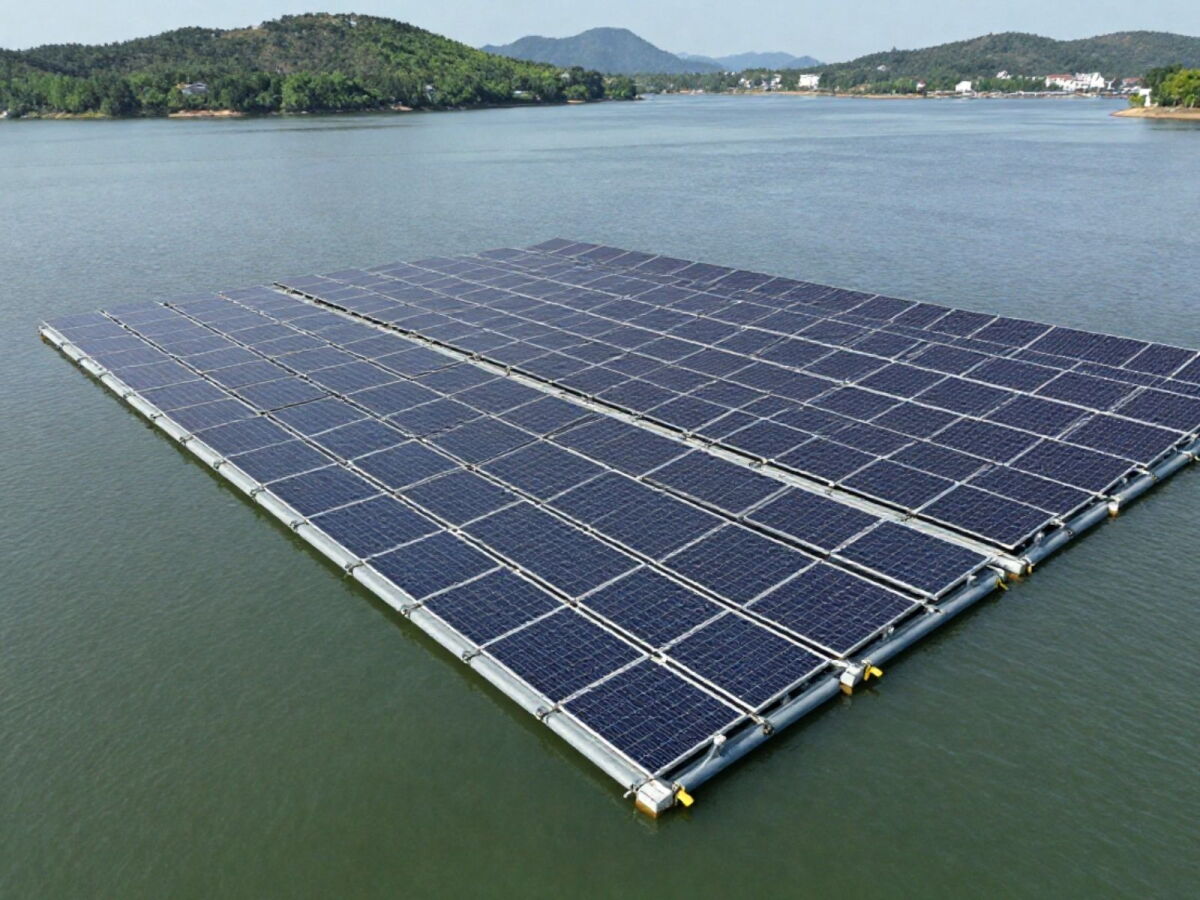
A biological monitoring study has revealed that a clean energy station, featuring thousands of floating solar panels on a European lake, has unexpectedly become a refuge for numerous aquatic organisms. This finding has significant implications for the planning of future renewable energy projects. The research indicates that the infrastructure, initially designed for power generation, has fostered a unique ecosystem beneath the water's surface. This transformation of a renewable energy site into a biodiversity hotspot was unanticipated by the project developers. The study's outcomes suggest a need to re-evaluate the environmental impact assessments for similar installations. Planners may now need to consider the potential for renewable energy sites to actively support or even enhance local wildlife populations. This unexpected ecological benefit could influence the design and location strategies for future solar farms. The station's ability to provide shelter and a stable environment for aquatic life highlights a potential synergy between clean energy development and ecological conservation. Consequently, future renewable energy projects might incorporate biodiversity goals into their foundational planning stages.
The development of floating solar farms presents an intriguing case study in the intersection of renewable energy infrastructure and ecological systems. While the primary objective of these installations is clean power generation, this study suggests a potential secondary benefit: the creation of novel habitats for aquatic life. This emergent property could shift the paradigm for environmental impact assessments, moving from a focus on mitigation to one of potential ecological enhancement. Future planning may need to account for the complex interactions between engineered structures and natural ecosystems, recognizing that technological interventions can have unforeseen biological consequences. The long-term sustainability of such projects might be bolstered by integrating biodiversity considerations, potentially leading to more resilient and ecologically beneficial renewable energy landscapes.
AI-generated to prompt reflection — not editorial opinion, not advice, not a statement of fact. How this works.