Flock Cameras Misidentified License Plates in California City Over 70% of the Time
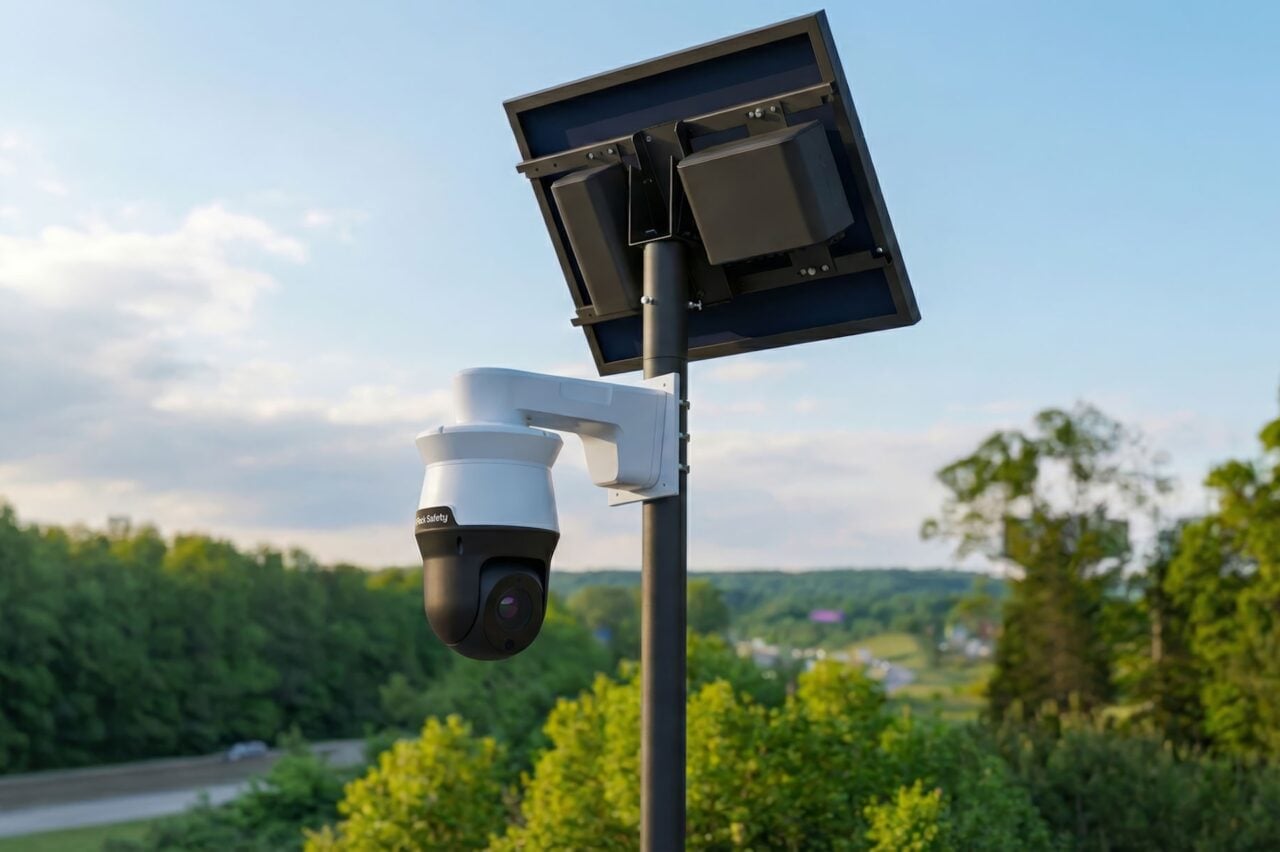
Automated license plate readers (ALPRs) deployed by Flock Safety in a California city made incorrect matches 71% of the time, according to a report by the Electronic Frontier Foundation (EFF). The system, which uses cameras to capture license plates and compare them against watchlists, generated a significant number of false positives. This high error rate raises serious concerns about the reliability and accuracy of surveillance technology used by law enforcement. The EFF's investigation focused on the city of San Francisco, where these devices are in operation. The technology is designed to help identify vehicles associated with criminal activity. However, the findings suggest that the system's performance is far from perfect. The implications of such a high error rate could lead to misidentification of innocent individuals and vehicles. This could result in unwarranted stops, investigations, and potential legal issues for citizens. The report highlights the need for greater scrutiny of the accuracy and deployment of ALPR systems. It also raises questions about the extent to which public safety decisions are being delegated to potentially flawed automated systems.
The high rate of misidentification by Flock's ALPR cameras in San Francisco underscores a critical tension between the promise of technological efficiency in public safety and the potential for systemic error. Delegating significant responsibility to automated systems necessitates robust validation and transparent performance metrics. The EFF's findings suggest that current ALPR technology, despite its intended benefits, may not yet possess the reliability required for high-stakes applications without substantial human oversight. This situation prompts consideration of the incentive structures driving the adoption of such technologies and the governance frameworks needed to ensure accountability and mitigate risks of misidentification. Looking ahead, the increasing integration of AI in surveillance demands a proactive approach to algorithmic fairness and accuracy, ensuring that technological advancements serve justice rather than undermine it.
AI-generated to prompt reflection — not editorial opinion, not advice, not a statement of fact. How this works.