Flood Risk Looms for Burned Areas Even with First Rainfall, Warns Lekkas
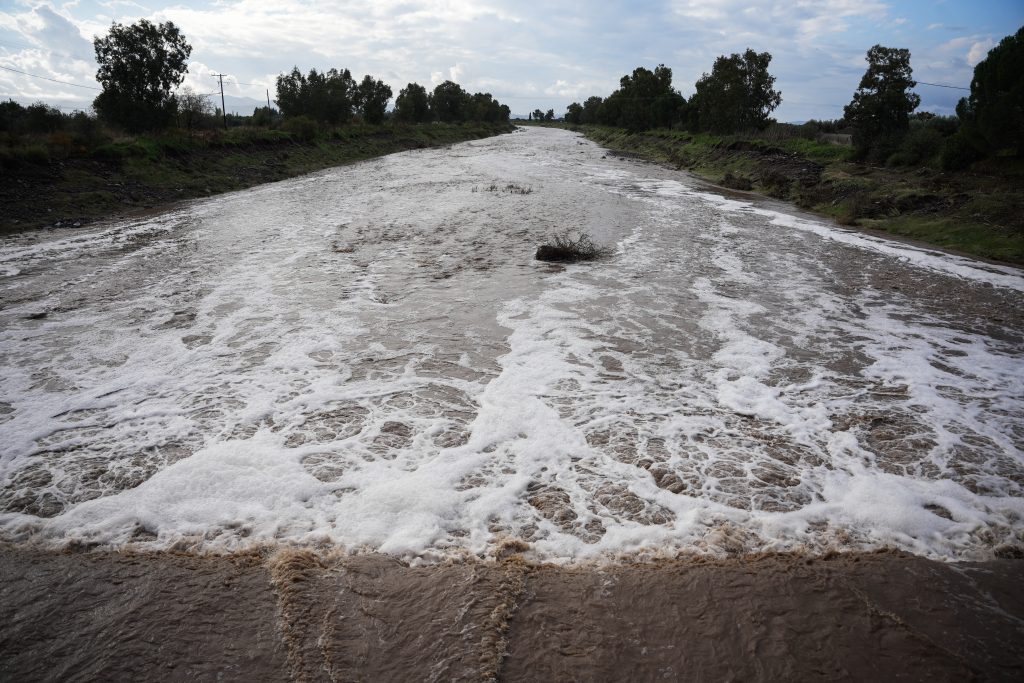
Even the initial rainfall poses a significant flood risk to areas that have recently experienced wildfires, according to warnings issued by Professor Efthimios Lekkas. He highlighted that the danger is particularly acute in smaller drainage basins. In these confined areas, rainwater tends to move with great speed towards lower-lying locations. This rapid water movement exacerbates the potential for flash floods and landslides. The loss of vegetation cover due to fires leaves the soil exposed and less able to absorb water. Consequently, runoff increases dramatically, carrying debris and soil with it. Professor Lekkas's caution serves as a critical reminder for residents and authorities in affected regions to prepare for potential hazards. Mitigation measures and early warning systems are essential to manage these risks effectively.
The ecological impact of wildfires creates inherent vulnerabilities in affected landscapes. The removal of vegetation and topsoil significantly alters natural water absorption and drainage patterns. This systemic change increases the likelihood of rapid runoff and erosion, posing a direct threat of flooding and landslides, especially in smaller catchments where water flow is concentrated. Future land management strategies in post-fire zones must integrate hydrological considerations to mitigate these predictable risks, balancing immediate recovery efforts with long-term environmental resilience. This situation underscores the need for proactive infrastructure planning and community preparedness in regions susceptible to climate-related disasters.
AI-generated to prompt reflection — not editorial opinion, not advice, not a statement of fact. How this works.
