Flooding devastates home in Tangará da Serra, family seeks city aid
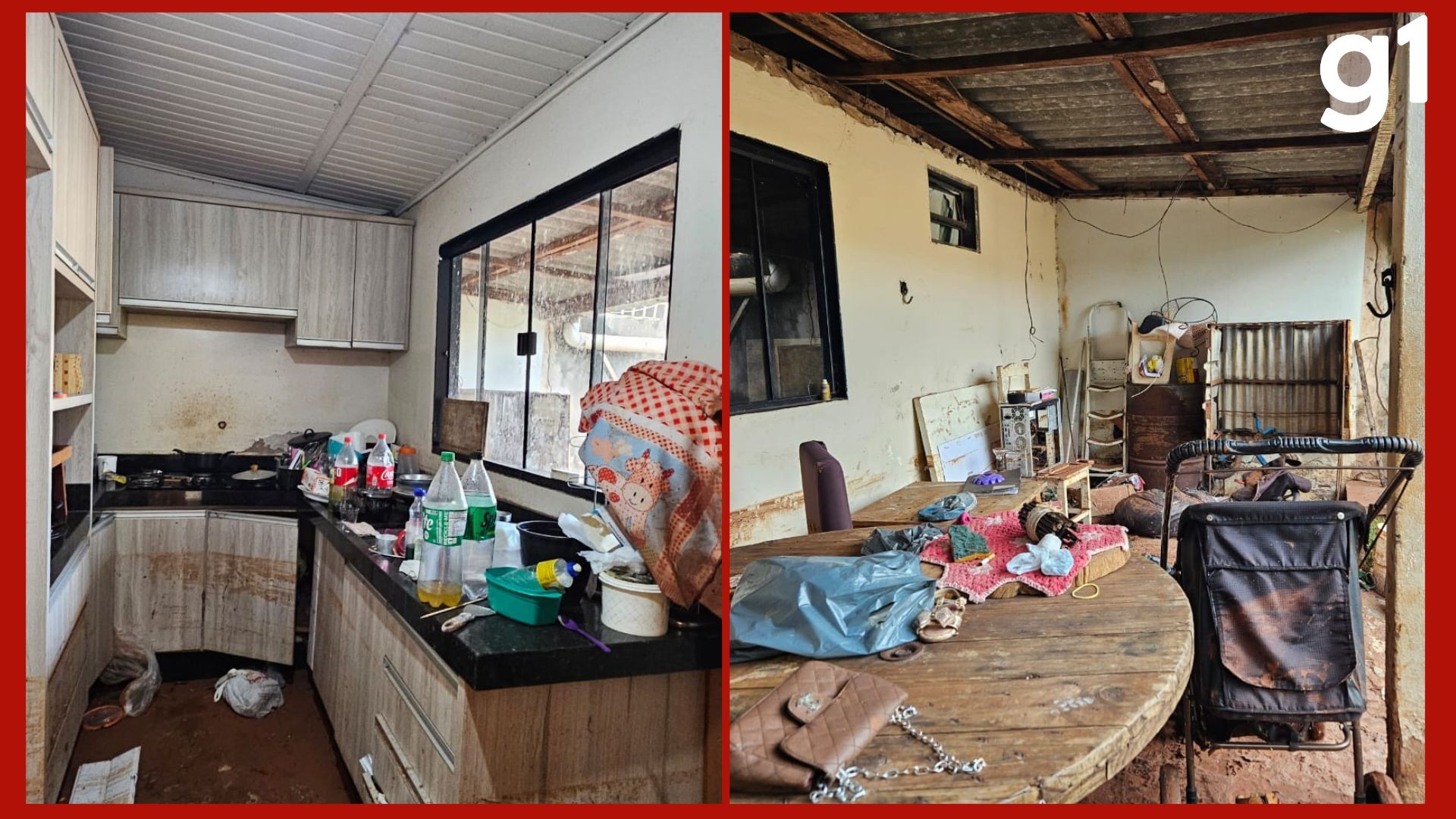
A severe temporal storm in Tangará da Serra, Mato Grosso, in June caused extensive damage to the home of 38-year-old manicurist Zayama Kelly de Oliveira. Images and videos reveal rooms filled with mud, damaged furniture, and compromised structural integrity. The flooding was reportedly exacerbated by recent municipal construction on an adjacent lot, which allegedly altered water containment measures, leaving the house more vulnerable. Oliveira stated that the removal of a curb and debris from a previous accident had already weakened her wall, making it susceptible to collapse under the storm's force. This is the first time in her 15 years living in the house that she has experienced such severe flooding. The home is also shared with her two daughters, aged 18 and 14, and her 1-year-old granddaughter. The family has lost nearly all their furniture and appliances, including beds and a refrigerator. Through the Public Defender's Office, they have filed a lawsuit against the municipality, requesting temporary housing and financial assistance until their residence can be repaired. The family briefly occupied a commercial property but had to vacate it. They are currently receiving support from the community through donations of food, furniture, and volunteer aid for rebuilding efforts. Oliveira, a resident of the neighborhood for approximately 30 years, expressed her desire to remain in the area due to her clientele and family ties, emphasizing that her life and her family's education are rooted there. She seeks temporary support from the prefecture, especially since she believes their machinery was involved in the construction that contributed to the flooding.
This event highlights the critical intersection of urban development, infrastructure management, and citizen welfare. The family's plight underscores the potential consequences of construction projects that alter natural water flow and drainage systems without adequate foresight or mitigation strategies. The legal action initiated via the Public Defender's Office reflects a systemic recourse for citizens impacted by perceived municipal negligence. Future urban planning must prioritize robust environmental impact assessments and community consultation to prevent such devastating outcomes, ensuring that development enhances rather than compromises the safety and stability of residential areas. The community's response demonstrates the vital role of social capital in disaster recovery, offering a complementary support system when formal aid is delayed or insufficient.
AI-generated to prompt reflection — not editorial opinion, not advice, not a statement of fact. How this works.