Flooding in Alta Verapaz Fuels Health Risks: Gastrointestinal, Respiratory, and Skin Ailments Loom
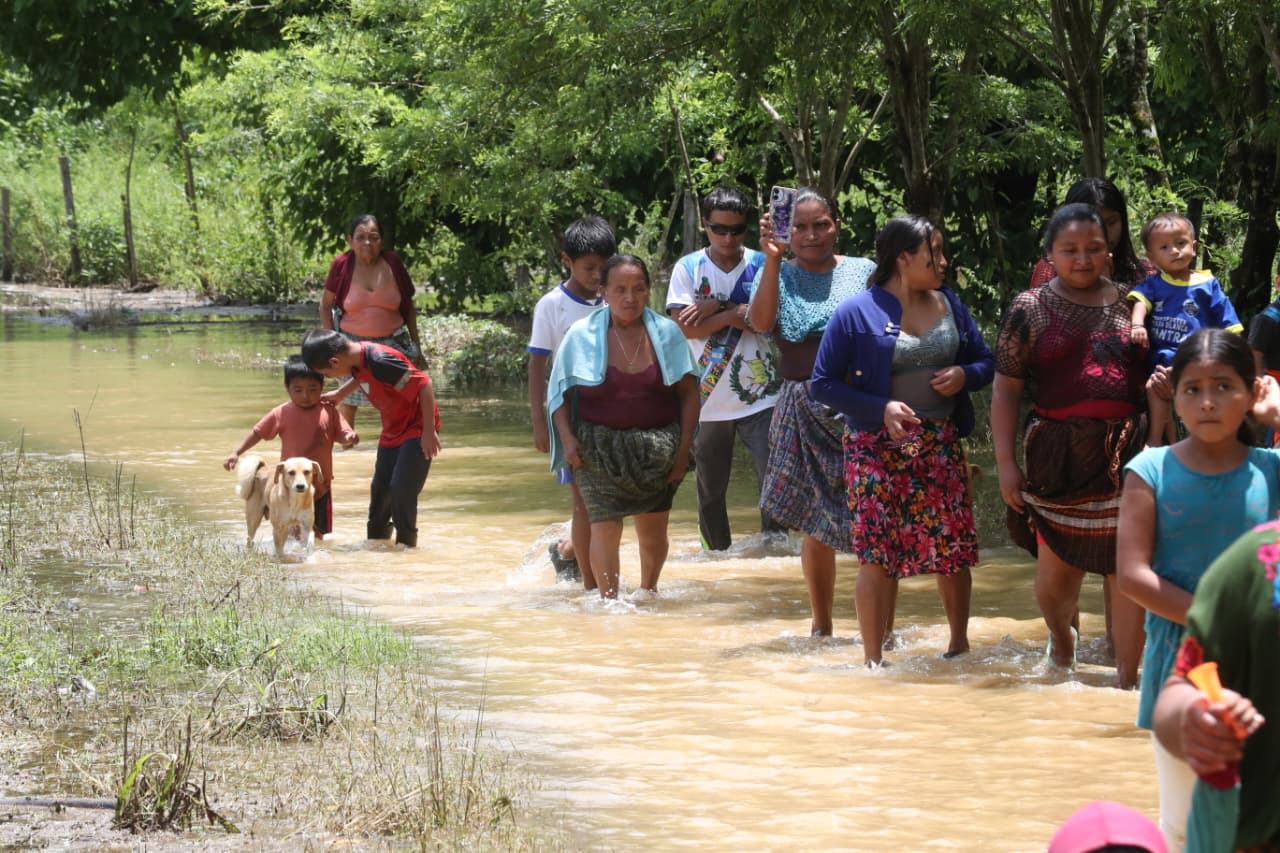
Residents in flooded municipalities of Alta Verapaz, Guatemala, are facing significant health threats due to lingering humidity, stagnant water, and pest infestations. These conditions create a breeding ground for various diseases, posing a danger to the affected population. Specifically, gastrointestinal illnesses, respiratory problems, and skin conditions are anticipated to rise. The prolonged presence of water and the resulting environmental changes are primary drivers of these health concerns. Public health officials are monitoring the situation closely, as the risk of outbreaks increases with the duration of the flooding and the extent of contamination in affected areas. The combination of compromised sanitation and increased exposure to pathogens presents a serious challenge to the well-being of communities in the region.
The environmental disruption caused by flooding in Alta Verapaz creates a predictable public health crisis. Stagnant water and compromised sanitation infrastructure are well-established vectors for infectious diseases, particularly gastrointestinal and respiratory ailments. The humid conditions also exacerbate skin infections. This situation highlights the critical need for robust disaster preparedness and response systems that include immediate post-flood health monitoring and intervention strategies. Future resilience will depend on investments in climate adaptation and infrastructure that can mitigate the impact of extreme weather events, thereby reducing the recurring burden of disease on vulnerable populations.
AI-generated to prompt reflection — not editorial opinion, not advice, not a statement of fact. How this works.