Floods Reveal Widespread Damage to Farms and Roads in Afghanistan
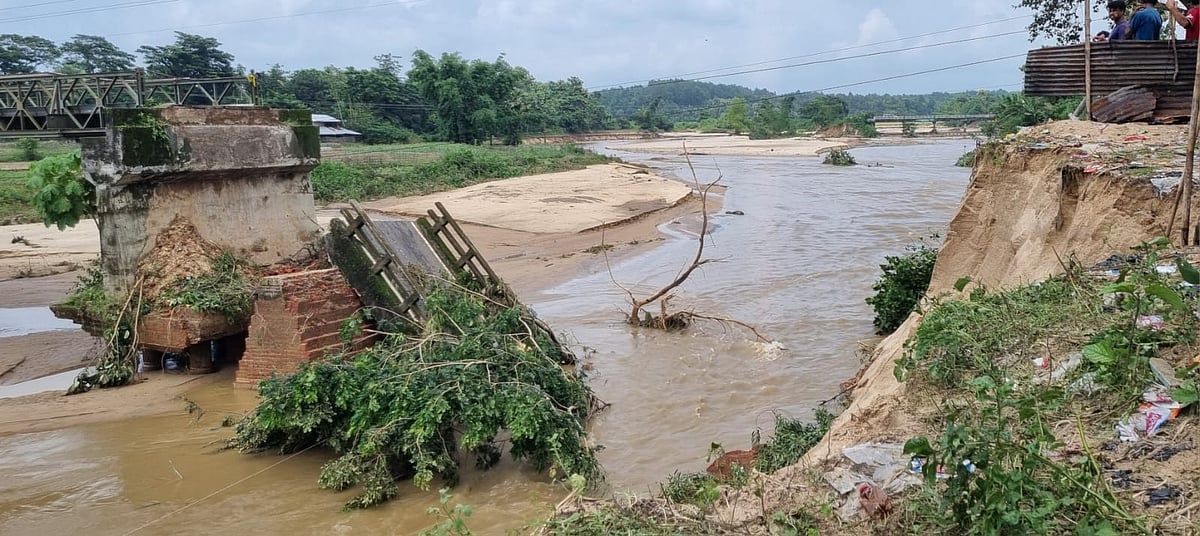
Following recent floods in Afghanistan, extensive damage to agricultural fields and roads has become apparent as floodwaters recede. Many areas remain inundated with water and mud, preventing a complete on-the-ground assessment of the full extent of the devastation. Officials have indicated that the final figures for the losses are likely to increase once a comprehensive evaluation can be conducted. The ongoing challenges in accessing affected regions mean that the immediate impact on farming communities and infrastructure is still being determined. The full scope of the agricultural sector's losses, including crop destruction and livestock impact, is yet to be quantified. Similarly, the damage to transportation networks will require significant repair efforts. The situation highlights the vulnerability of the region to extreme weather events and the need for robust disaster response and recovery plans. Further updates are expected as more information becomes available from field assessments.
The receding floodwaters in Afghanistan are exposing the significant material and infrastructural damage caused by the extreme weather event. The inability to conduct immediate, thorough field assessments due to persistent water and mud underscores the logistical challenges and the potential for the final damage estimates to escalate. This situation points to systemic vulnerabilities in disaster preparedness and response infrastructure within the affected regions. The long-term implications for agricultural output and community recovery will depend on the effectiveness and speed of aid distribution and reconstruction efforts. Looking ahead, the increasing frequency and intensity of such climate-related events necessitate a strategic focus on building more resilient infrastructure and implementing proactive mitigation strategies to safeguard livelihoods and national resources.
AI-generated to prompt reflection — not editorial opinion, not advice, not a statement of fact. How this works.