Floodwaters Recede, Revealing Widespread Damage in Bangladesh
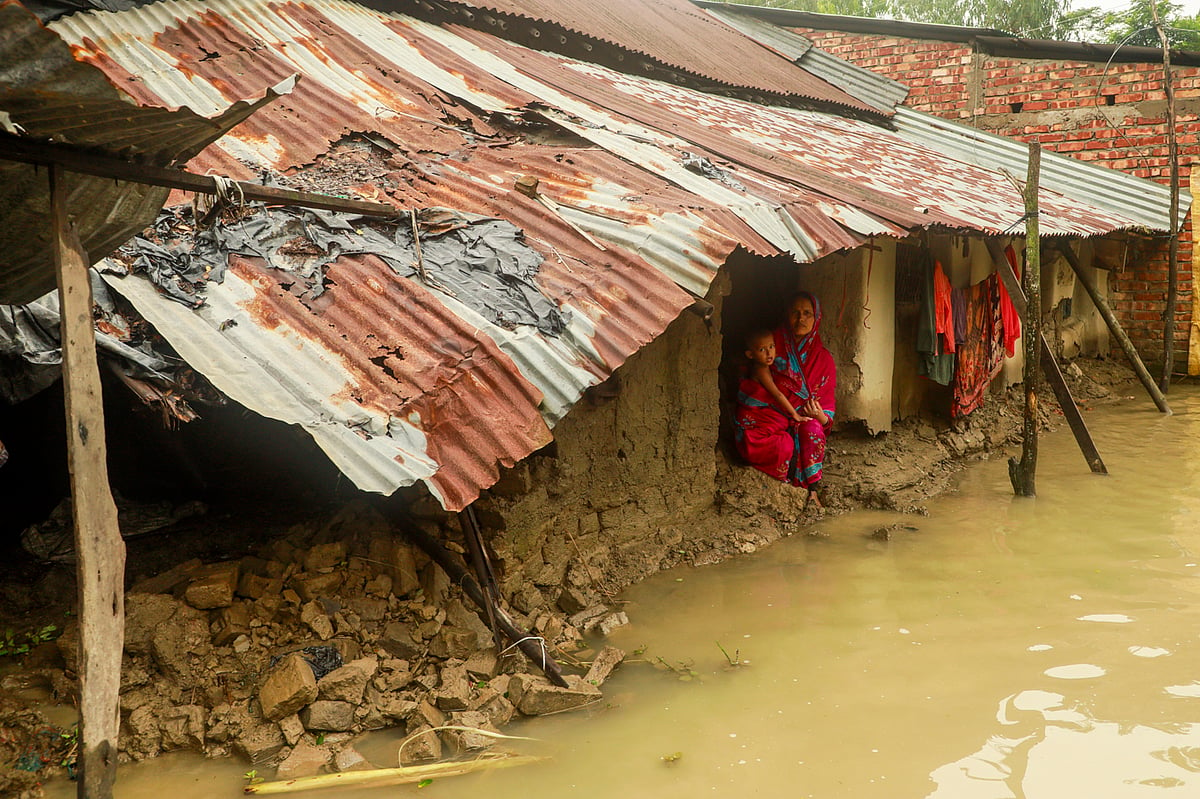
Recent heavy rainfall and upstream runoff have caused severe flooding in the southeastern and northeastern regions of Bangladesh. As the floodwaters begin to recede from the affected areas, the extent of the damage is becoming increasingly apparent. The situation has left a significant trail of destruction across the country. Residents are now facing the aftermath of the deluge, with initial reports indicating substantial losses. The full scope of the disaster is still being assessed as water levels continue to drop. Authorities are beginning to survey the damage and plan recovery efforts. The impact on infrastructure, agriculture, and homes is expected to be considerable. Further details on the specific areas affected and the nature of the damage are expected to emerge in the coming days as more information becomes available.
The recurring pattern of severe flooding in Bangladesh, exacerbated by monsoon rains and transboundary water flows, highlights persistent vulnerabilities in the region's infrastructure and disaster preparedness. As climate change intensifies weather events, the economic and social costs associated with these floods are likely to escalate. This situation underscores the critical need for enhanced, long-term strategies focusing on resilient infrastructure development, improved early warning systems, and sustainable land-use planning. Addressing the root causes of increased flood severity, including environmental degradation and potentially inadequate upstream water management, will be crucial for mitigating future impacts and ensuring the region's long-term stability and prosperity.
AI-generated to prompt reflection — not editorial opinion, not advice, not a statement of fact. How this works.