Floor Scrubbers Tested: Do These R$2,500-R$3,000 Machines Replace Traditional Cleaning?
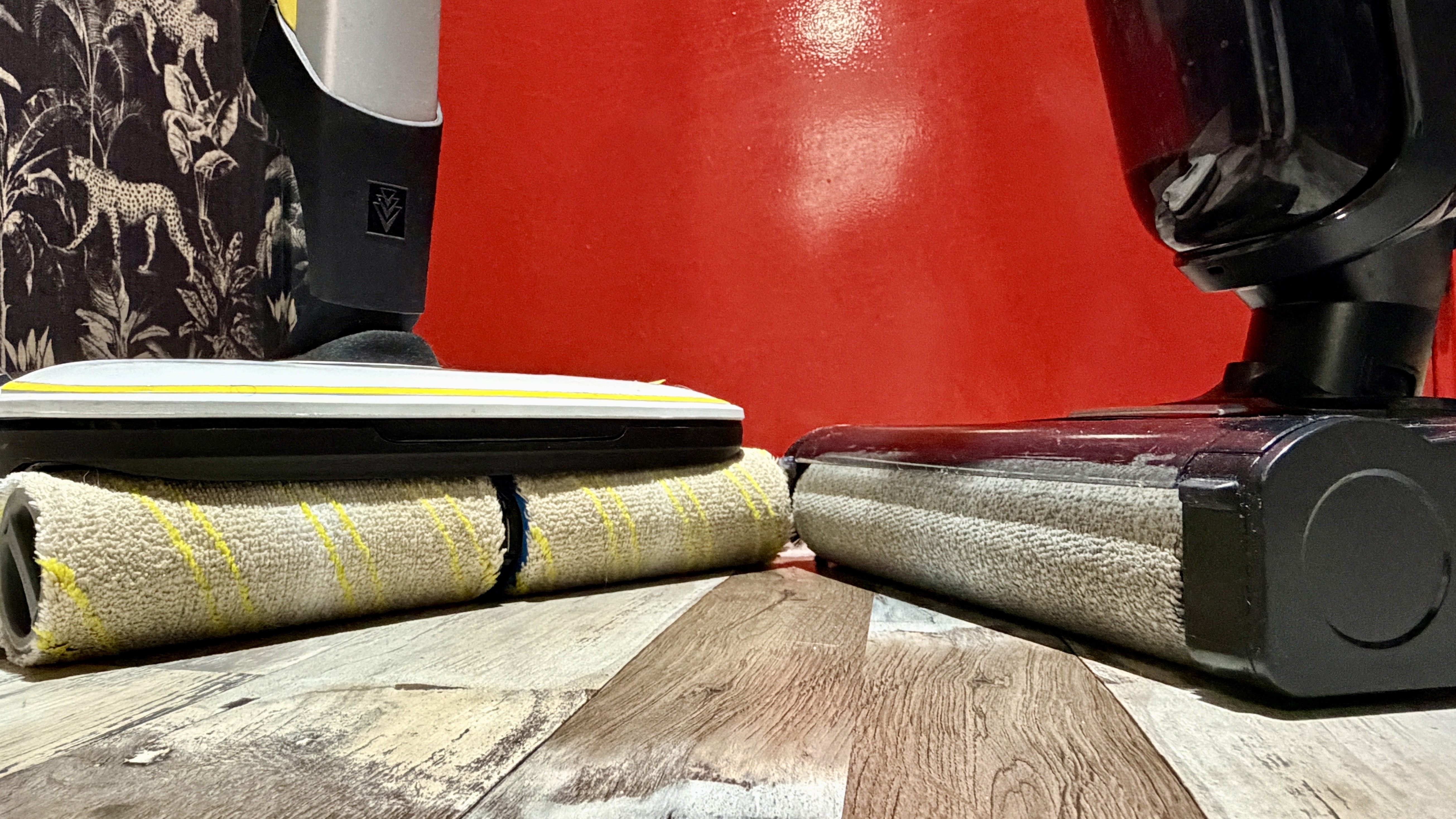
Two floor cleaning machines, the Arno X-Clean 4 and the Karcher FC 7, were tested to determine if they justify their high price points, ranging from R$2,500 to R$3,000. The Arno X-Clean 4 is a hybrid device that combines vacuuming with floor scrubbing, costing approximately R$3,000. It features a 200W motor, a rechargeable battery offering about 50 minutes of use, and can clean a 42-square-meter apartment twice on a single charge. The machine effectively handled spills like cat vomit, sand, and coffee, automatically adjusting suction and cleaning levels. However, its 5.4 kg weight can make it difficult to maneuver, and its small water (440 ml) and debris (730 ml) reservoirs require frequent refilling and emptying. The Karcher FC 7, priced around R$2,500, focuses solely on floor scrubbing without a vacuum function. It boasts a 45-minute battery life, cleaning the same 42-square-meter apartment twice with only 30% of the charge used. It is lighter (4.3 kg) and more agile than the Arno, performing well in corners. Its main drawback is a very small debris reservoir of only 200 ml, which fills quickly. Both machines offer self-cleaning functions, but manual cleaning of components is still recommended. The Karcher's rollers are easier to remove and can be machine-washed, unlike the Arno's, which are harder to detach. Ultimately, both machines effectively clean floors and reduce physical effort, but their high cost and limited reservoir capacities are significant drawbacks, making them suitable primarily for users who prioritize convenience and can afford the investment.
These floor cleaning machines represent a technological advancement aimed at reducing the physical labor associated with household chores. The high price point, however, suggests a significant premium for this convenience, potentially limiting market adoption to a niche segment. Systemic contradictions emerge when considering the trade-off between convenience and the recurring need for maintenance, refilling, and cleaning of the machines themselves, alongside the limited capacity of their reservoirs. From a future-oriented perspective, advancements in robotics and AI could eventually lead to more autonomous and efficient cleaning solutions, potentially lowering costs and increasing accessibility. The current models highlight an intermediate stage, offering enhanced functionality over traditional methods but still requiring substantial user intervention and investment, raising questions about long-term value proposition and environmental sustainability regarding electronic waste.
AI-generated to prompt reflection — not editorial opinion, not advice, not a statement of fact. How this works.