Flores Hobbits' Diet May Rewrite Evolutionary History
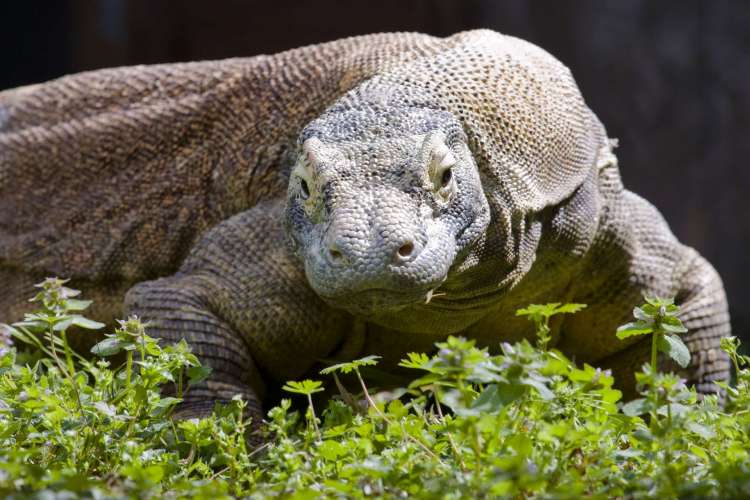
New research on Homo floresiensis, often called the 'Flores hobbits,' suggests their dietary habits could significantly alter our understanding of their evolutionary origins. Previously, it was hypothesized that these hominins, discovered on the island of Flores in Indonesia, were active hunters who utilized fire. This assumption played a key role in theories about their development and adaptation. However, recent analyses of their eating patterns are challenging this long-held view. If Homo floresiensis were not reliant on hunting and fire, their evolutionary path might have diverged from current scientific models. This potential shift in understanding could lead to new theories about how this unique species evolved and survived in its isolated environment. Further investigation into their diet is crucial for resolving these evolutionary questions.
The re-evaluation of Homo floresiensis' dietary practices, particularly regarding fire use and hunting, prompts a critical examination of established evolutionary narratives. If these hominins were not active hunters, it suggests alternative adaptive strategies may have been employed, potentially driven by resource availability or environmental pressures unique to Flores. This scenario highlights the importance of diverse subsistence strategies in hominin evolution and challenges assumptions that often project modern human behaviors onto ancient populations. Future research will likely focus on paleoecological data and comparative anatomy to better understand the ecological niche and behavioral repertoire of Homo floresiensis, offering insights into the broader spectrum of hominin adaptability in island ecosystems.
AI-generated to prompt reflection — not editorial opinion, not advice, not a statement of fact. How this works.