Florianópolis Explores Ferry Service Between São José and Beira-Mar Norte
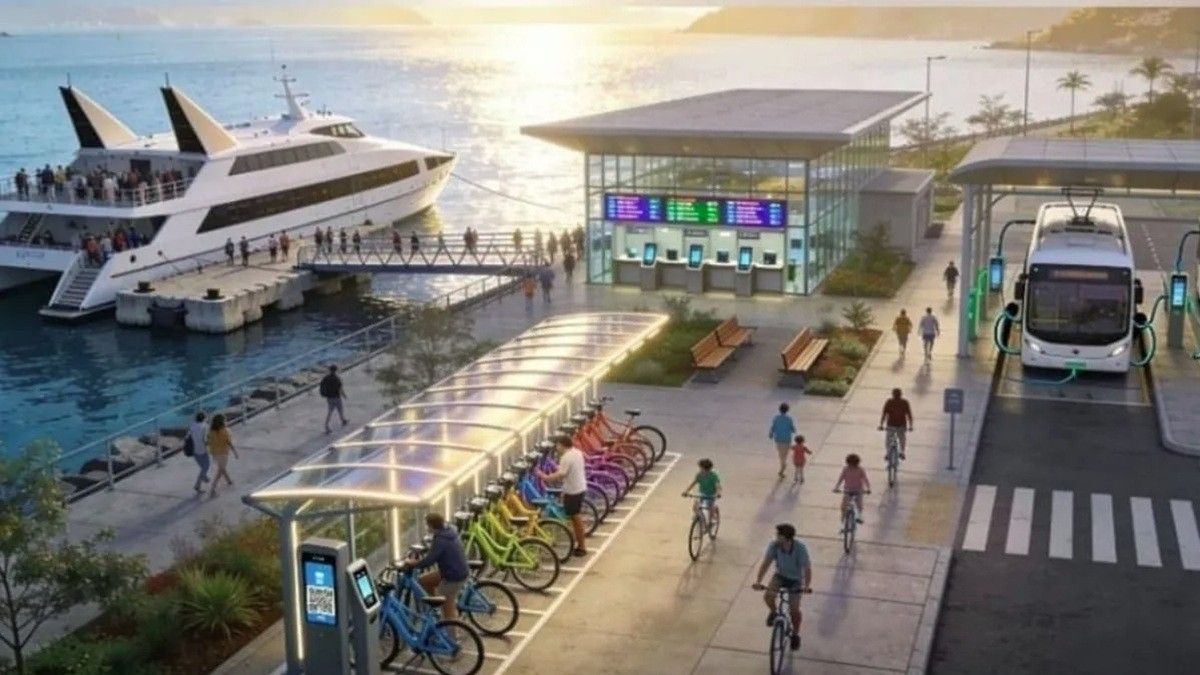
Florianópolis is considering an experimental project to introduce a ferry service connecting the neighboring city of São José to its Beira-mar Norte district. The municipal government aims to release the tender for this aquatic transportation initiative by the end of this year. According to Municipal Secretary of Infrastructure Rafael Hahne, boarding would likely occur in São José, near the Events Center, with disembarkation at the new marina's pier on Beira-mar Norte. The service is projected to commence operations in 2028. This project is considered experimental to gauge public demand and identify the primary user base. Secretary Hahne highlighted potential benefits for cyclists residing on the continent who face difficulties commuting to Florianópolis via bicycle due to existing bridge connections. He specifically mentioned residents of Kobrasol and Campinas as likely beneficiaries, gaining efficient access to the city center via the ferry. The Beira-mar Norte Urban Park and Marina project includes infrastructure for this aquatic transport. The model will draw inspiration from Vila Velha's system, which links Espírito Santo's capital with Cariacica. While acknowledging the ferry's potential to alleviate some mobility challenges between the island and the continent, Hahne emphasized it will not be a singular solution, citing the historical need for bridges. The Beira-mar Norte project, estimated at R$350 million funded by the private sector for 35 years of usage, will cover 140,000 square meters and include commercial buildings, leisure areas, sports courts, and a marina capable of housing over 600 vessels. Construction, which began in July, is expected to create over 2,000 jobs upon completion.
Florianópolis's exploration of an aquatic transport link between São José and Beira-mar Norte, integrated with a significant private sector-funded urban development project, highlights a strategic approach to urban mobility challenges. The experimental nature of the ferry service acknowledges the complexities of commuter behavior and the need for data-driven infrastructure planning. By potentially serving cyclists and residents from specific continental neighborhoods, the initiative aims to leverage existing infrastructure and user habits. This project reflects a broader trend of public-private partnerships in urban development, where infrastructure improvements are bundled with commercial and recreational amenities. The success of such initiatives hinges on accurate demand forecasting, efficient operational integration, and the ability to complement, rather than solely replace, existing transportation networks. Looking ahead, the effectiveness of this ferry service will be a key indicator for future investments in multimodal transit solutions, particularly in coastal or geographically fragmented urban environments facing increasing population density and traffic congestion.
AI-generated to prompt reflection — not editorial opinion, not advice, not a statement of fact. How this works.