Florianópolis Municipal Veterinary Hospital Exceeds 40,000 Procedures in First Three Months
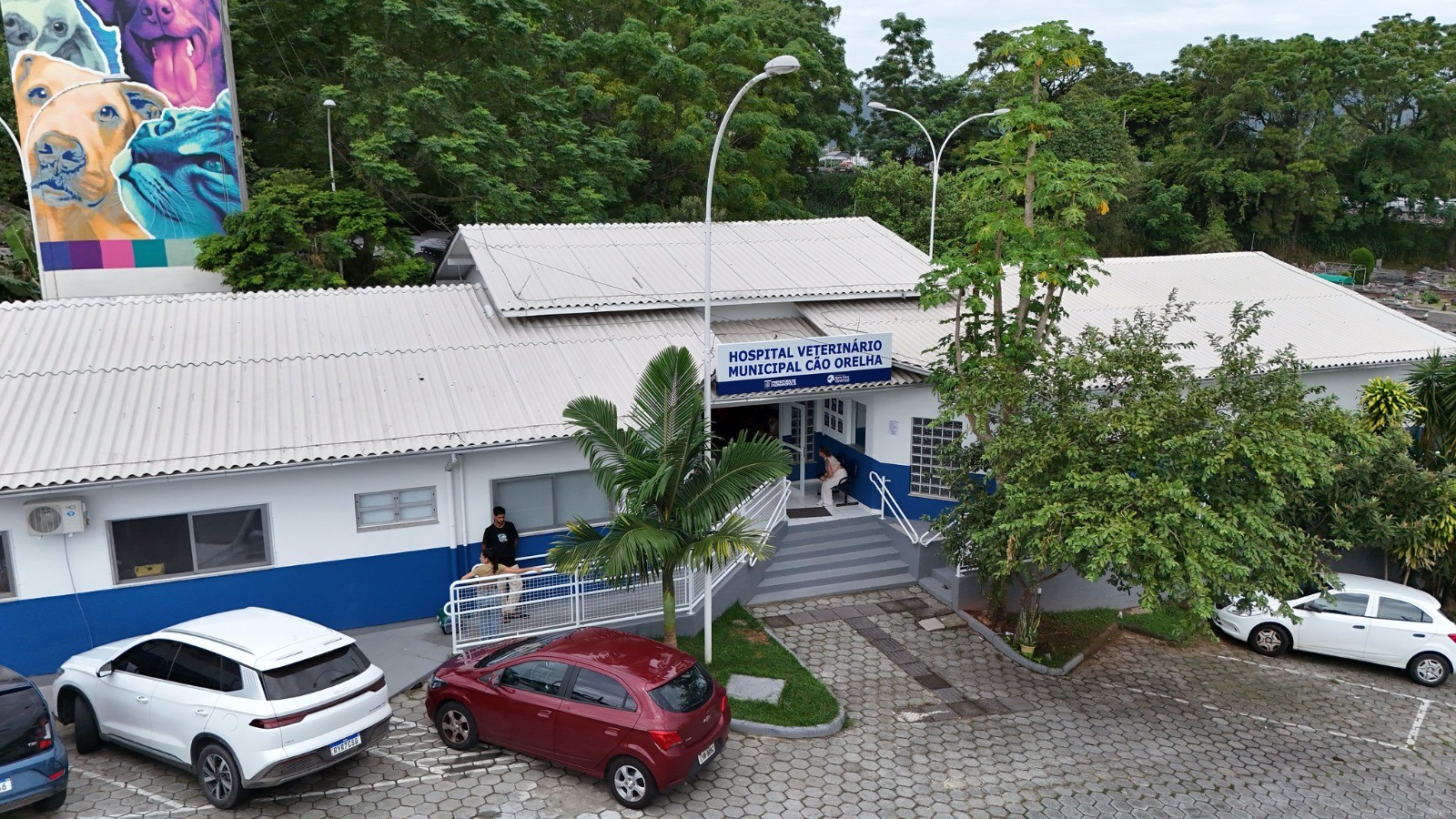
The Cão Orelha Municipal Veterinary Hospital, the first public facility of its kind in Santa Catarina, has successfully completed over 40,000 procedures within its initial three months of operation. Located in Itacorubi, adjacent to the Animal Welfare Directorate (Dibea), the hospital has been addressing a growing demand for free veterinary services for Florianópolis residents. From April to the end of June, the hospital established itself as a key resource for canine and feline care, offering consultations, diagnostic tests, surgeries, hospitalizations, and emergency services. The extensive list of over 40,000 procedures includes more than 19,000 outpatient visits, 4,000 consultations and screenings, approximately 2,000 hospitalizations, 272 general and orthopedic surgeries, 2,000 spay/neuter procedures, nearly 3,000 imaging exams, and over 6,000 laboratory tests. A significant feature of the hospital is its 24-hour emergency and urgent care service, available daily. Animals in critical condition receive immediate stabilization regardless of their owner's eligibility for the program, with follow-up care subject to program rules. Free services are available to Florianópolis residents registered in the Cadastro Único (CadÚnico), registered animal protectors, and caretakers of community animals, as well as animals adopted from municipal shelters. Routine appointments require prior scheduling via the Florianópolis City Hall platform, Monday to Friday, 8 AM to 5 PM. The hospital's establishment marks a significant advancement in public policy for animal welfare in the capital, enhancing access to veterinary care for vulnerable families, contributing to public health, promoting responsible pet ownership, and bolstering the municipality's animal protection initiatives.
The launch and rapid utilization of the Cão Orelha Municipal Veterinary Hospital highlight a public health and animal welfare infrastructure gap in Florianópolis. By offering free, comprehensive services, the hospital addresses critical needs for low-income residents and animal welfare advocates, thereby potentially mitigating public health risks associated with untreated animal conditions and promoting responsible pet ownership. The high volume of procedures suggests that such public facilities are essential for communities, particularly in managing the costs associated with veterinary care. Future sustainability will likely depend on continued public funding and efficient resource management, especially as demand for specialized services and emergency care continues to grow. The model's success could serve as a blueprint for other municipalities seeking to improve animal welfare and public health outcomes.
AI-generated to prompt reflection — not editorial opinion, not advice, not a statement of fact. How this works.