Florianópolis Ordered to Remove Beach Dune Light Posts Immediately
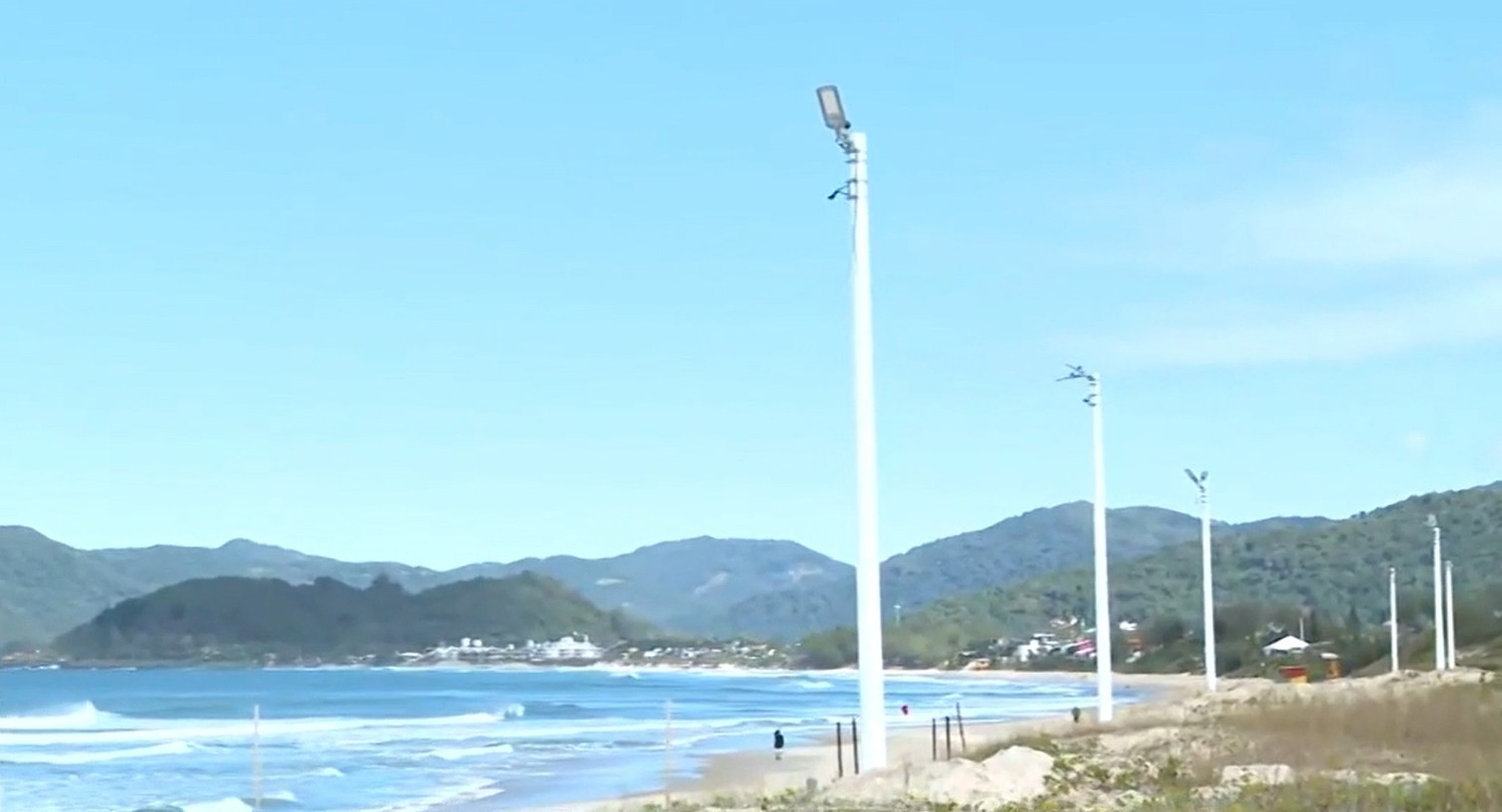
A Brazilian court has ordered the Florianópolis municipality to immediately remove 13 lighting posts installed in late June on the dunes of Campeche beach. The Federal Public Ministry (MPF) initiated the legal action, highlighting that the installations occurred without an environmental impact study or authorization from the Secretariat of Union Property (SPU). The ruling, issued by the 6th Federal Court of the Capital (Environmental), is subject to appeal. Residents protested the placement of these structures on the sand, leading to an investigation. The company responsible for the installation, Quantum Engenharia, stated it had halted work and was coordinating with the municipality to secure necessary permits. Campeche beach, a popular tourist destination known for its white sand and surf-worthy waves, is a key departure point for the protected Ilha do Campeche. The MPF argued the work was irregular, situated in a Permanent Preservation Area (APP) of dunes and restinga, and could cause light pollution detrimental to local fauna, including sea turtles and migratory birds. Judge Charles Jacob Giacomini noted the potential environmental damage to the dune ecosystem, emphasizing that public works require proper environmental authorization despite potential public safety benefits. The SPU confirmed no authorization request was filed for the lighting project on the beach, stressing that such installations require prior SPU approval along with other environmental and urban permits. The court also mandated that the municipality suspend any further work on post installation or wiring in the area and that the removal process must use low-environmental-impact techniques. The Municipal Environmental Foundation (Floram) has five days to issue an environmental infraction notice and an embargo order, with a daily fine of R$ 10,000 for non-compliance.
This judicial intervention underscores a recurring tension between urban development and environmental preservation, particularly in ecologically sensitive coastal zones. The court's decision highlights the critical need for adherence to established regulatory frameworks, including environmental impact assessments and property authorization, before undertaking infrastructure projects. The case also points to the potential for public works, even those intended for safety or tourism, to inadvertently cause significant ecological harm, such as disrupting local fauna and light pollution. Future urban planning in such areas will likely require more robust public consultation and integrated environmental governance to balance development goals with the imperative to protect natural heritage and biodiversity, especially in the face of climate change and increasing tourism pressures.
AI-generated to prompt reflection — not editorial opinion, not advice, not a statement of fact. How this works.