Florianópolis Police Raid 'Farra do Boi' Suspects in Coastal Community
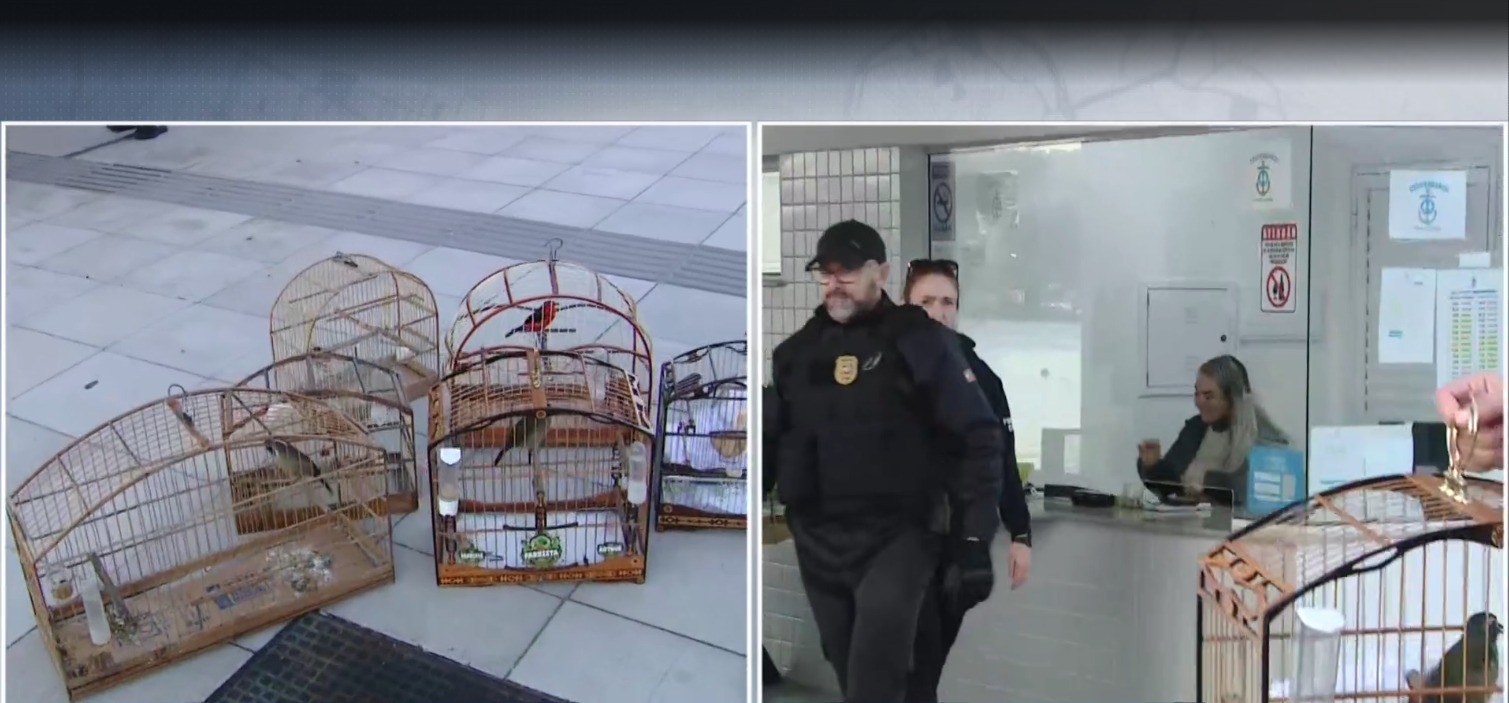
Civil and Environmental Military Police in Florianópolis launched an operation on Thursday, May 16th, targeting individuals suspected of participating in 'farra do boi,' a practice considered a crime. Due to the isolated nature of the Costa da Lagoa, a traditional fishing community, officers utilized boats to serve eight search and seizure warrants in the area, with a total of nine warrants issued across the city. The operation is a continuation of an earlier action in May that investigated a 'farra do boi' event from early 2026. During the recent raid, authorities seized cell phones, documents, and unregistered birds. The confiscated avian species will undergo analysis to ensure compliance with environmental laws, as they lacked proper identification bands and are considered wild animals. These birds are being sent to a Wildlife Rehabilitation Center to assess their suitability for reintroduction into their natural habitat. The 'farra do boi' ritual, introduced by Azorean immigrants, involves releasing a bull in an enclosed area surrounded by people who provoke the animal until it chases them to exhaustion. This practice has been legally prohibited in Santa Catarina since a 1997 Supreme Court ruling (RE 153.531-8/SC) that deemed it inherently cruel, despite acknowledging the state's role in promoting cultural rights. The 1998 Environmental Crimes Law further criminalizes participation in, aiding, or failure to prevent acts of animal cruelty.
This operation addresses the ongoing conflict between cultural practices and animal welfare legislation in Brazil. The 'farra do boi,' rooted in historical immigrant traditions, presents a challenge to modern legal frameworks that prioritize the prevention of animal cruelty. The authorities' use of specialized transport, like boats, highlights the logistical difficulties in enforcing laws in remote communities. Future considerations may involve developing community engagement strategies that respect cultural heritage while ensuring compliance with environmental protection laws, potentially exploring alternative cultural expressions that do not involve animal suffering. The legal precedent set by the STF in 1997 and subsequent legislation underscores a national shift towards recognizing animal sentience and establishing legal protections against cruelty, reflecting broader global trends in animal rights discourse.
AI-generated to prompt reflection — not editorial opinion, not advice, not a statement of fact. How this works.