Florianópolis Steps Up River and Canal Cleaning to Counter El Niño's Impact
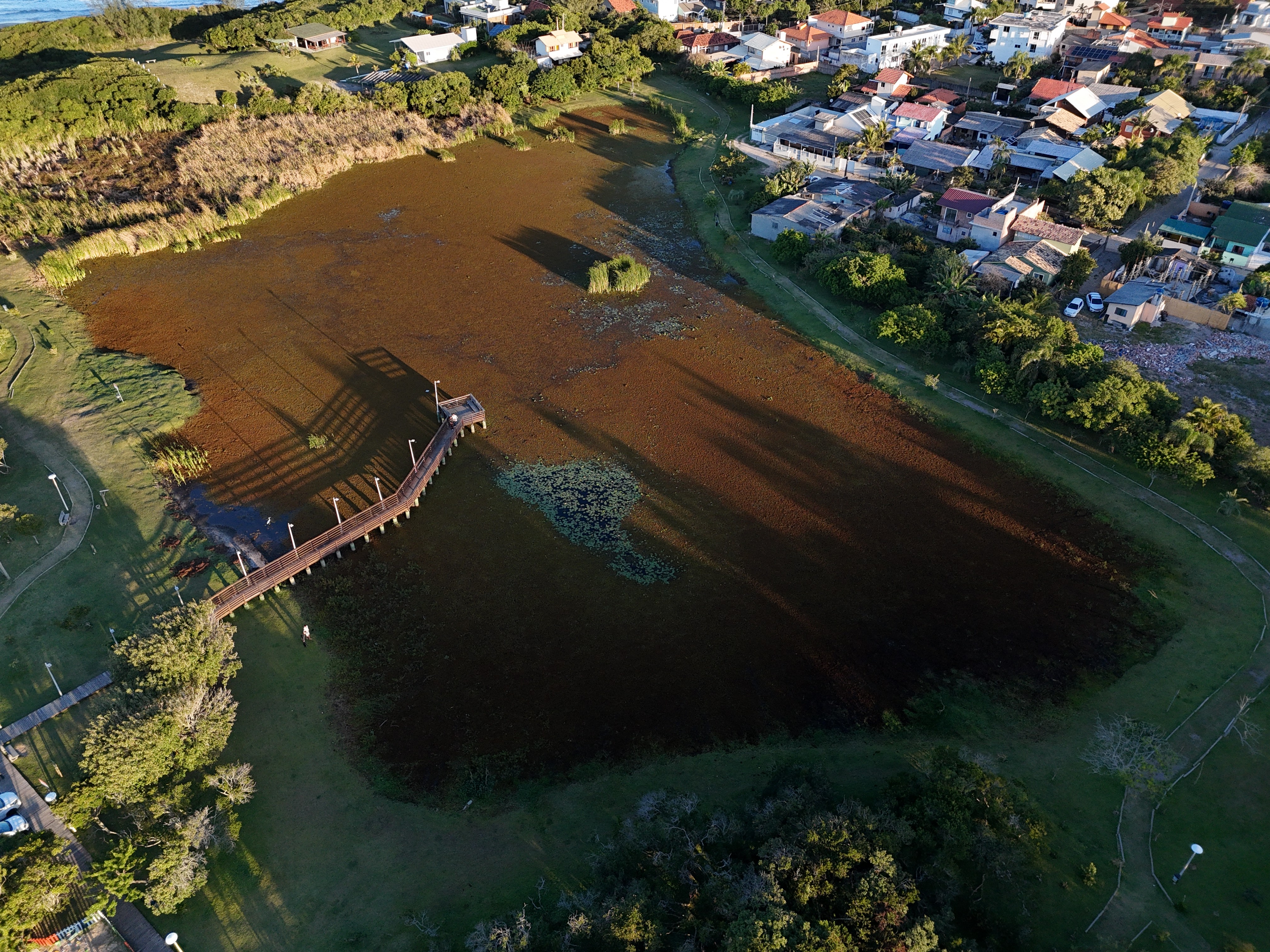
Florianópolis is intensifying its preventative cleaning of rivers, streams, canals, and ditches across the city in response to the confirmed El Niño phenomenon and forecasts of above-average rainfall in the Southern Region. This initiative is part of a broader strategy by the municipality to enhance its resilience against extreme weather events and reduce the risks of flooding. The work, conducted daily by the Municipal Secretariat of Environment and Sustainable Development with support from the Subsecretariat of Basic Sanitation, aligns with a climate alert state declared on June 11th, following confirmation of El Niño by federal monitoring agencies. This ongoing maintenance of the hydrographic network, a continuous effort since 2022, has already resulted in the cleaning of over 828 kilometers of waterways. In 2023, a record 246 kilometers were cleaned, and in 2025, the city surpassed 200 kilometers, reaching 223 kilometers and benefiting 503 watercourses. Teams operate on a permanent schedule, incorporating findings from technical inspections, enforcement, and public requests, with monthly evaluations informing future planning. Priority is given to areas with a history of flooding, significant blockages, sediment accumulation, and strategic locations before rainy seasons. Cleaning methods range from manual operations in hard-to-reach areas to mechanized processes using excavators and trucks to remove debris. The current operation involves 15 operational assistants and sanitation workers, five machine operators, four drivers, and a fleet of four hydraulic excavators, one backhoe loader, four dump trucks, and support equipment. The primary goal is to improve rainwater drainage capacity by clearing obstructions, thereby mitigating localized flooding and making the drainage system more effective during heavy rainfall. Beyond waterway maintenance, Florianópolis is reinforcing drainage systems, expanding outflow networks, intervening in hillside areas, and training response teams. A municipal committee, led by the Subsecretariat of Civil Protection and Defense, coordinates these efforts with various governmental bodies, utilities, universities, and civil society organizations. These measures were prompted by a recent bulletin confirming El Niño's presence and predicting its persistence until early 2027, with a high probability of a strong event between spring and summer, and above-average rainfall expected in the Southern Region from July to September. An example of these interventions is the recovery of the Rio Tavares drainage channel, which, after extensive cleaning and widening from March 2023, now boasts significantly improved water flow capacity.
The municipality of Florianópolis's proactive measures to clean waterways in anticipation of El Niño highlight a strategic approach to climate adaptation. By investing in infrastructure maintenance and operational capacity, the city aims to mitigate predictable risks associated with intensified rainfall. This focus on preventative action, rather than solely reactive response, reflects an understanding of the increasing frequency and severity of extreme weather events. The continuity of this program since 2022, with measurable progress in kilometers cleaned annually, suggests a commitment to long-term resilience. The integration of technical criteria, public input, and continuous evaluation demonstrates a systems-thinking approach to urban water management. As climate patterns evolve, such sustained investments in basic infrastructure and preparedness will be crucial for maintaining urban functionality and public safety, balancing immediate needs with the long-term implications of environmental change.
AI-generated to prompt reflection — not editorial opinion, not advice, not a statement of fact. How this works.