Florida Enacts New Laws Affecting Migrants and Foreign Nationals on July 1
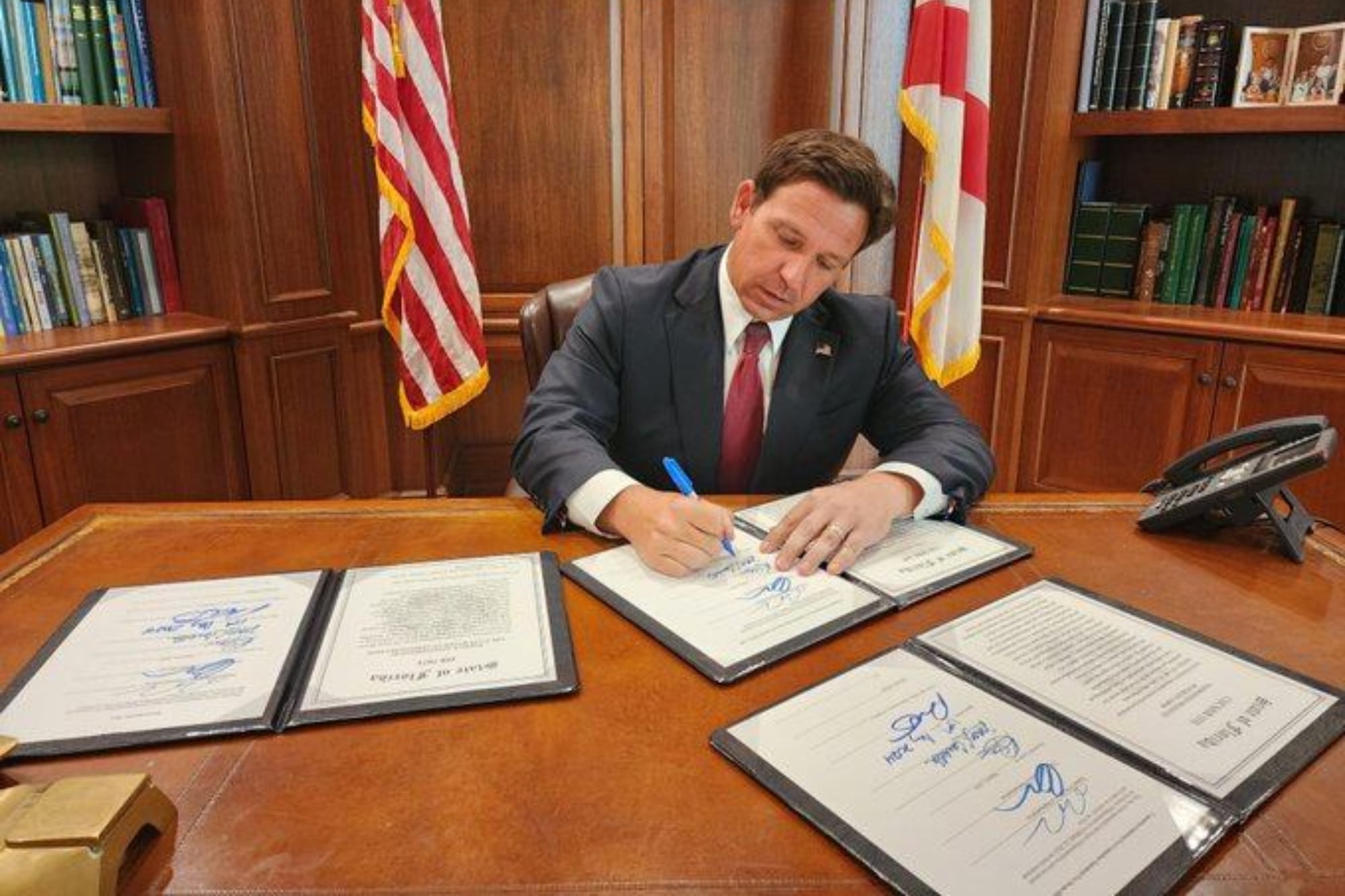
Florida implemented several new laws on July 1 that will directly impact migrants and foreign nationals residing in the state. These legislative changes introduce significant restrictions, particularly concerning financial and academic opportunities for these individuals. The new regulations are designed to alter the landscape for non-citizens within Florida's borders. Specific details on the nature of the financial and academic restrictions were not provided in the initial report. However, the implementation marks a notable shift in state policy. The laws are expected to create new challenges for migrants navigating life in Florida. Further information will be needed to fully understand the scope and implications of these legislative changes. The state's move signals a potentially more restrictive environment for foreign nationals.
The new Florida laws enacted on July 1 introduce significant policy shifts impacting migrants and foreign nationals, focusing on financial and academic restrictions. These measures may reflect a broader trend of state-level legislative action aimed at regulating immigration and the integration of non-citizens. Such policies can create complex incentive structures, potentially influencing migration patterns and the economic participation of affected individuals. From a systems perspective, these changes could lead to increased administrative burdens and legal challenges, while also prompting a re-evaluation of Florida's attractiveness to a diverse workforce and student population in the long term. The effectiveness and societal impact of these laws will likely become clearer as individuals and institutions adapt to the new regulatory environment.
AI-generated to prompt reflection — not editorial opinion, not advice, not a statement of fact. How this works.