Florida Reports 36 Leprosy Cases in a Year, Raising Public Health Concerns
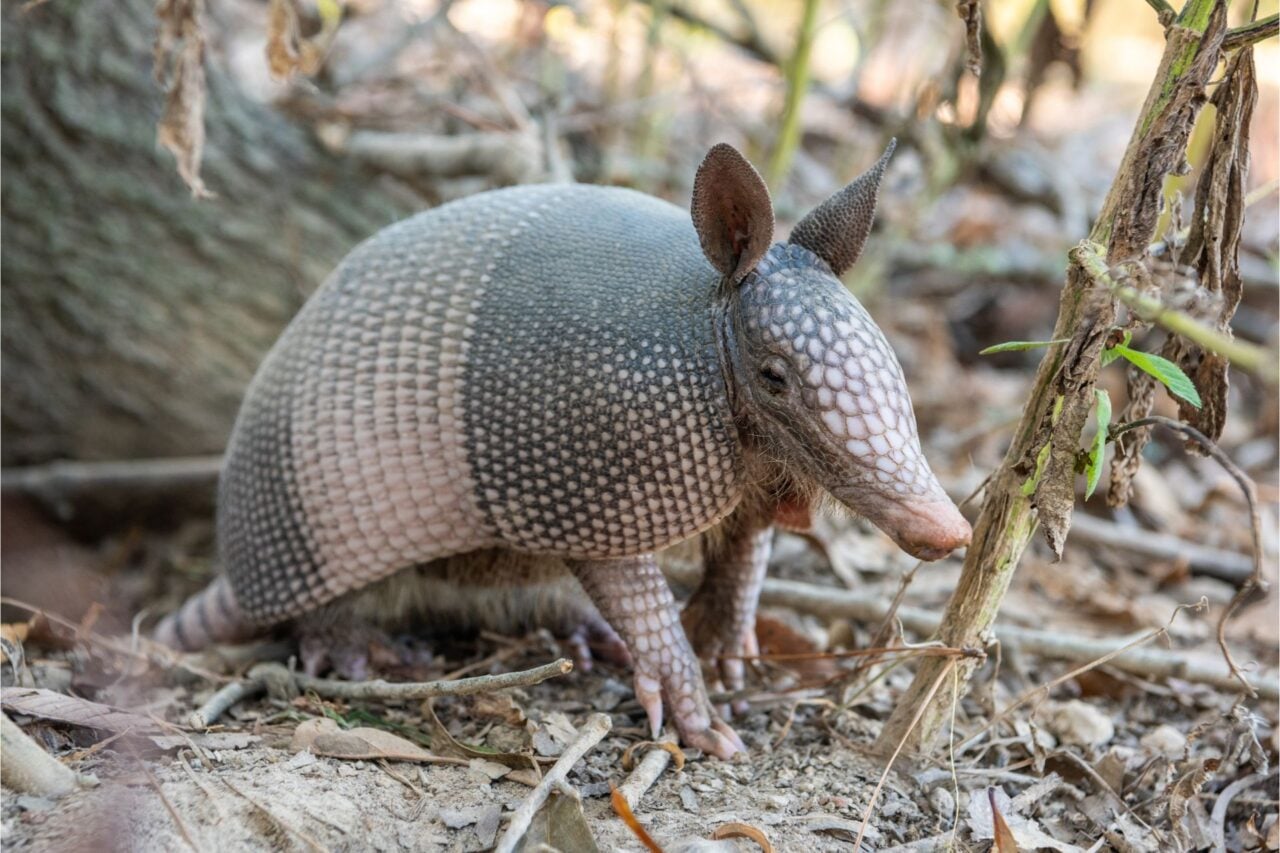
Florida recorded 36 cases of leprosy last year, continuing a trend of infections within the state. Leprosy, also known as Hansen's disease, is a chronic infectious disease that primarily affects the skin, peripheral nerves, upper respiratory tract, eyes, and testes. While rare, it can lead to debilitating health issues if left untreated. The increase in cases in Florida has prompted public health officials to monitor the situation closely. The source of these infections is a key area of investigation, as the disease is not typically endemic to the region. Public health awareness and early detection remain crucial for managing and preventing the spread of leprosy. Further research is underway to understand the transmission patterns and potential environmental factors contributing to the rise in cases in Florida.
The reported increase in leprosy cases in Florida warrants a systematic public health investigation into potential environmental or transmission vectors. Understanding the epidemiological patterns and identifying the source of infection are critical steps. This situation highlights the importance of ongoing surveillance for infectious diseases, even those considered rare, and the need for robust public health infrastructure capable of responding to emerging health challenges. Examining the interplay between environmental factors, animal reservoirs, and human contact will be essential for developing effective prevention strategies and mitigating future outbreaks.
AI-generated to prompt reflection — not editorial opinion, not advice, not a statement of fact. How this works.