Flu Vaccination Rates Lag Behind Targets in Key Brazilian Cities
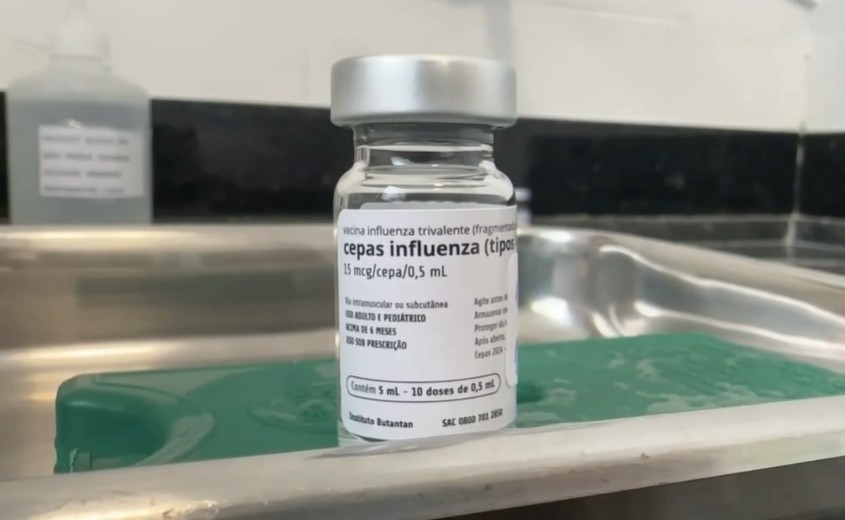
Vaccination coverage against influenza remains below the target in the regions of Presidente Prudente, Bauru, and Marília in São Paulo state, Brazil. As of Wednesday, May 15, only 45% of the priority population had been immunized, significantly short of the Ministry of Health's goal of at least 90% coverage. In Presidente Prudente, vaccination rates stand at 45% for children aged 6 months to under 6 years, 44% for seniors aged 60 and over, and 55% for pregnant women, all falling short of the 90% national target. Marília reports 41.61% coverage among its target population, with 26,891 individuals vaccinated out of a total of 51,968 doses administered. The São Paulo State Health Secretariat has expanded vaccination to the entire population over six months of age to bolster protection against influenza and reduce severe cases and hospitalizations, particularly during periods of high respiratory virus circulation. Priority groups, including pregnant women, postpartum mothers, the elderly, young children, and individuals with comorbidities or special health conditions, are strongly encouraged to get vaccinated promptly due to their higher susceptibility to severe illness. Influenza is a highly contagious acute respiratory infection, and annual vaccination aims to decrease hospitalizations, complications, and deaths among the target demographic. Vaccination sites in Presidente Prudente are open at all health posts from 7:30 AM to 4:30 PM. In Bauru, vaccination is available at various health units and centers without requiring appointments, with operating hours ranging from 7:30 AM to 9:00 PM depending on the location. Marília also offers vaccination at municipal health units from 7:00 AM to 5:00 PM.
The persistent shortfall in flu vaccination coverage across multiple Brazilian municipalities highlights a critical public health challenge. While the expansion of vaccine availability to the general population is a positive step, the low uptake among priority groups suggests underlying issues that extend beyond mere accessibility. These could include vaccine hesitancy, insufficient public health campaigns tailored to specific demographics, or logistical barriers at the local level. Addressing these gaps requires a nuanced understanding of community-specific barriers and the development of targeted strategies to boost confidence and participation. Looking ahead, as infectious disease threats evolve and healthcare systems face increasing demands, robust and equitable vaccination programs will be paramount. Failure to achieve herd immunity through widespread vaccination not only endangers vulnerable populations but also strains healthcare resources, potentially leading to preventable outbreaks and economic disruption in the coming decade.
AI-generated to prompt reflection — not editorial opinion, not advice, not a statement of fact. How this works.