Flying Termites: Understanding Their Swarming Season and When to Seek Professional Help
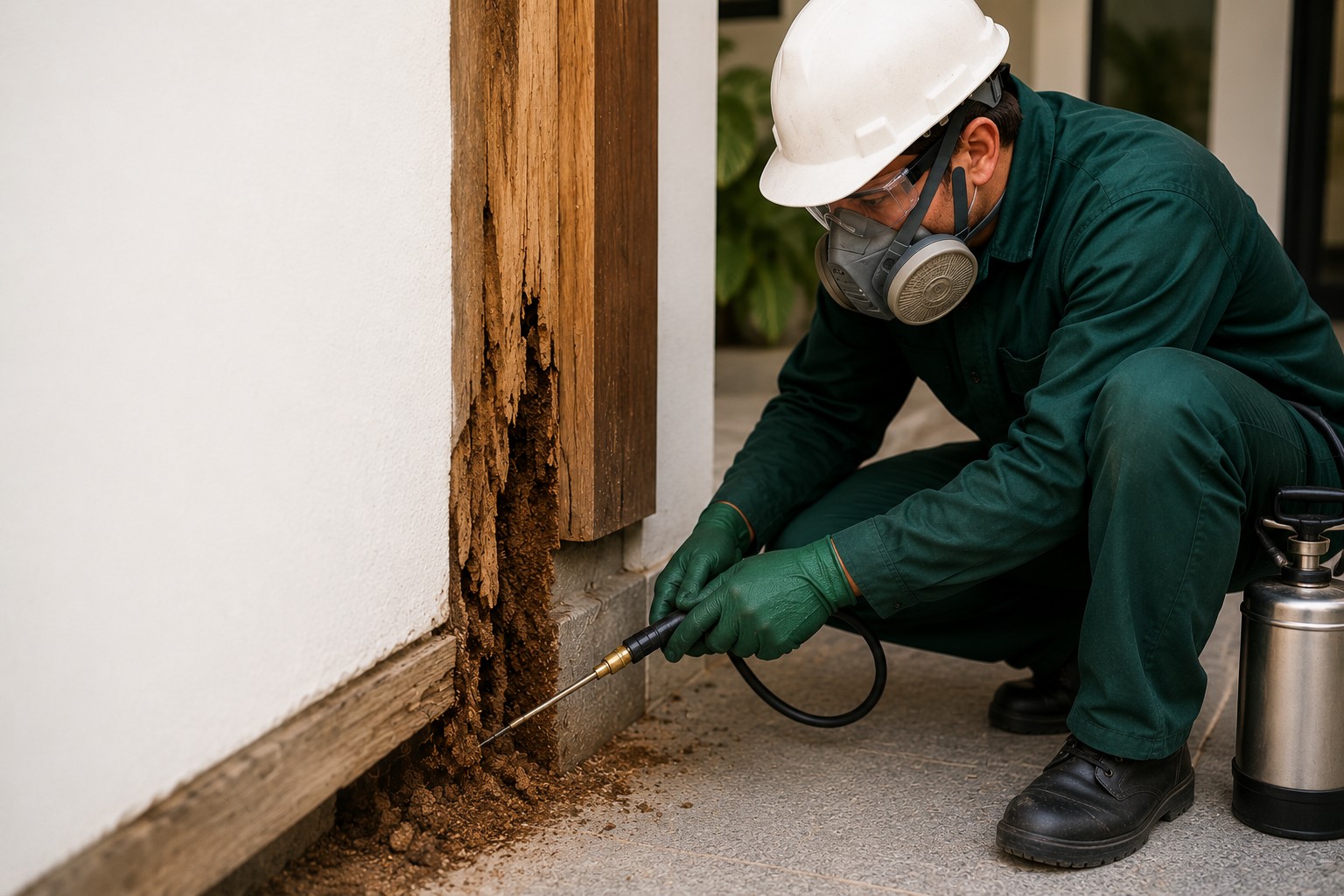
Flying termites, often mistaken for ants, emerge during specific times of the year in a natural reproductive cycle known as a swarm or 'revoada'. While this phenomenon is expected, its appearance inside homes or businesses warrants attention as it can signal an active colony nearby. The swarming occurs when reproductive termites, called 'aleluias' or 'siriris', leave their nests to find mates and establish new colonies, shedding their wings in the process. This often leads to finding scattered wings near lights, windows, or outdoor areas. In São Paulo, Brazil, these swarms are most common between September and March, coinciding with warmer temperatures and increased humidity, particularly after warm days followed by rain. An expert from Cupins SP emphasizes that these swarms are a critical alert, suggesting a colony might be within the building's structure, furniture, or hidden areas. Early detection is key to minimizing damage. Differentiating flying termites from flying ants involves observing body shape (straight for termites, segmented for ants), antennae (straight for termites, bent for ants), and wing size (equal for termites, front larger for ants). While swarms don't always indicate an infestation within the property, repeated occurrences inside or the presence of discarded wings should prompt investigation. Homeowners are advised against using DIY solutions, as common insecticides may only target visible termites and not the main colony. Professional pest control services are recommended for proper identification of the termite species, infestation extent, and appropriate treatment. Preventive measures include regular inspections of wooden items, managing moisture, keeping outdoor areas clean, and seeking professional assessments for older properties. Termites play a vital ecological role in decomposing organic matter, but become a problem when they infest human structures.
The emergence of flying termites, or swarming, is a natural biological event tied to reproduction and environmental conditions like temperature and humidity. While often perceived as a nuisance or immediate threat, its significance lies in its potential as an indicator of a larger, hidden infestation within structures. The article correctly highlights the importance of professional assessment over DIY methods, as localized treatments are unlikely to address the root colony. From a systems perspective, the interaction between the natural termite life cycle and human built environments creates a recurring conflict. Future considerations for urban planning and building materials may need to integrate more robust, long-term termite resistance strategies, potentially leveraging advancements in material science and smart monitoring technologies to detect early signs of infestation before they become structurally significant.
AI-generated to prompt reflection — not editorial opinion, not advice, not a statement of fact. How this works.