Foehn Wind Phenomenon Poses Extreme Fire Risk in Greece
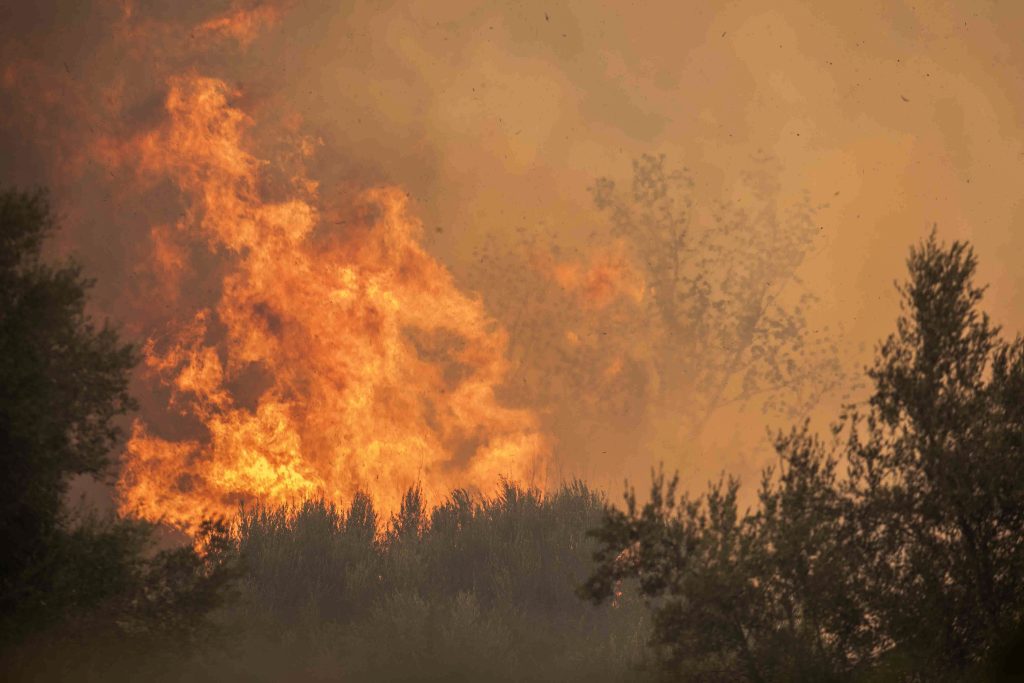
Western winds blowing across Greece are interacting with mountainous terrain, creating the Foehn wind phenomenon. This meteorological event is characterized by warm, dry downslope winds, which significantly increase the risk of wildfires. The Foehn effect can lead to rapid drying of vegetation, creating highly flammable conditions. This makes it difficult for firefighters to control blazes once they start. The phenomenon is considered extremely dangerous from a pyrometeorological perspective due to its potential to accelerate fire spread. Authorities are on high alert as these conditions persist. Residents are urged to exercise extreme caution and avoid any activities that could spark a fire. The interaction of prevailing winds with the country's topography is a key factor in generating these hazardous conditions. Understanding the Foehn effect is crucial for predicting and mitigating wildfire threats in the region.
The Foehn wind phenomenon, driven by the interaction of prevailing westerly winds with Greece's mountainous geography, presents a significant pyrometeorological challenge. This naturally occurring event exacerbates fire risk by creating arid conditions conducive to rapid combustion and spread. From a systems perspective, the interplay of atmospheric dynamics and topography highlights the vulnerability of regions with specific geological features to climate-driven hazards. Effective risk management requires robust early warning systems and public awareness campaigns that account for these predictable, yet potent, meteorological drivers. Future strategies may involve integrating advanced weather modeling with land management practices to build greater resilience against such extreme fire events.
AI-generated to prompt reflection — not editorial opinion, not advice, not a statement of fact. How this works.